OPEN Foundation

Search
Close this search box.

Articles

Dutch Health Minister Ernst Kuipers provides 1.6 million euros for psychedelic research
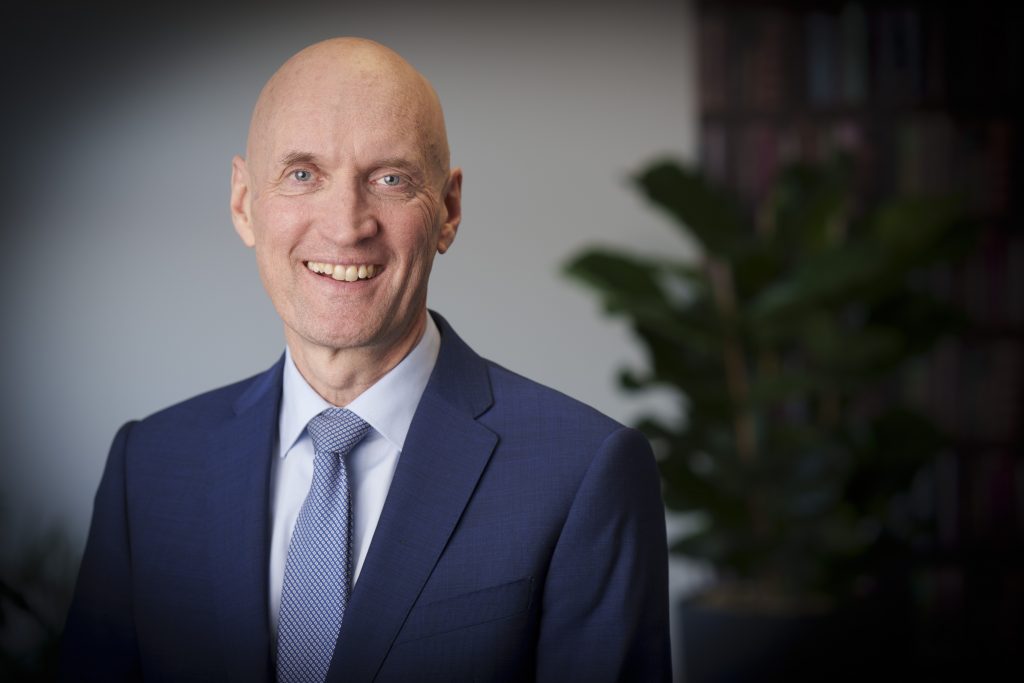
About six months ago, the Dutch minister of Health, Ernst Kuipers, wrote an official response towards the Dutch parliament after receiving a report on psychedelic-assisted therapy (PAT). This report was commissioned by the Dutch funding organisation ZonMw. It provided a first overview of the current state of affairs of PAT in the Netherlands. According to Kuipers in an earlier blog post, the ZonMw report provided “a significant contribution to the conversation about PAT and decisions about future steps.”

Kuipers exhibited a healthy dose of enthusiasm towards PAT as a potential innovative treatment for treatment-resistant psychiatric disorders. But he also recognised various challenges when moving towards the ultimate legislation of psychedelics as medicine. Kuipers was not alone in this. Indeed, four political parties of the Dutch House of parliament, in particular VVD, D66, CDA, and PvdA/GroenLinks, responded to Kuipers’ letter and raised several questions.

Psychedelics as Medicine

PvdA/GroenLinks, for example, were happy to see that the minister was positive towards future research of PAT and its ultimate implementation. In addition, PvdA/GroenLinks understood from reading Kuipers’ response that he was “encouraging university medical centres and special health care institutions to work together within a national cooperation to conduct the necessary scientific research.” Such an endeavour would allow for the collection of information in a structured and coordinated manner that could in turn evaluate the quality, efficacy, and safety of PAT. However, the party members of PvdA/GroenLinks did wonder what this “encouraging” essentially means by asking “in what way the minister is going to support this?”

In response, Kuipers announced that he will provide 1.6 million euros for future research on PAT in the Netherlands. This will be a grant proposal within the Dutch grant organisation ZonMw. Kuipers: “The program is targeted at the development of new medications and, in the event of positive results, to the registration of one or more medications. Funding will be used to set up an overarching partnership, draw up a development plan by the partnership for registering and marketing one or more medications and/or indication areas. The program will primarily be focused on carrying out clinical research.”

Hopefully, the clinical research studies will also determine the potential long-term effects of PAT. Indeed, political party VVD already raised concerns about this unknown in their response to Kuipers’ letter and wanted to know “which studies are already being conducted on the long-term effects of PAT.” Kuipers responded to this question by referring to the websites of CCMO and ClinicalTrials.gov where all scientific research is listed. In addition to this, I highly recommend the Atlas of Psychedelic Research where you can find any current study on PAT filtered by phase, topic, and psychedelic substance.

On the Taboo Against Knowing What Psychedelics Are

Now all of this is great news of course. But some parties also recognise the multitude of barriers scientists have to confront when trying to conduct clinical research on PAT. According to D66, for example, there still rests “a taboo on psychedelics” that can have “a negative effect on the potential for developing new treatments.” Not surprisingly, D66 raised the question to Kuipers “what plans the minister has to diminish this taboo?” and whether he could “present an overview of which conversations or campaigns are taking place or in what other way information is provided to combat this taboo?”

The round table discussion about PAT, which took place within the Dutch parliament on October 13th, 2022, is one example given by D66 that provided a lot of new information and potentially led to more understanding of PAT. Kuipers agrees that “increasing the amount of knowledge can contribute to the acceptance of these new types of treatments” and adds that “it is important that in the future psychedelics are seen as medical applications, not as drugs, and that this view is shared amongst professionals, patients and the general public.” The research program within ZonMw can be a first step in diminishing the taboo on psychedelics, says Kuipers.

Kuipers continues that there are a lot of substances that are on the so-called Dutch ‘Opiumwet’ but are used as medicines. These include opioid medications for individuals struggling with pain or the use of Ritalin for ADHD. “Psychedelics are no exception in this”, says Kuipers. Yet, because psychedelic substances are illegal and on the list of the ‘Opiumwet’ remains a problem for researchers. Indeed, to do any clinical research at all, you have to receive an exemption from the Dutch government with a decision period of approximately three months. And if you manage to do this, you then must face the next hurdle at the CCMO and apply for ethical approval that can take up to one year (if you’re lucky!).

Finally, the political party CDA wondered “if research using psychedelics as medicine were promising, wouldn’t there be full commercial interest in financing?” Indeed, authors from the aforementioned ZonMw report already indicated that there are problems with the funding of psychedelic research because of the lack of commercial interest. I have asked this question myself many times and was happy to see a Dutch political party came to the same conundrum. Kuipers clear in his response and stated that “pharmaceutical companies have little incentive to focus on this market, partly because most drugs can no longer be patented. Only through chemical modifications or new methods of administration is it possible to obtain a patent, such as with Janssen’s esketamine nasal spray.”

Don’t Believe the Media Hype

Across the political spectrum, Dutch political parties raised their concerns regarding the potential self-experimentation with psychedelics due to increased media exposure. VVD, for example, highlighted that “increased media attention can lead to an increase in non-medical use. The hype that raises too high expectations regarding PAT and that people with a mental illness do not want to wait for PAT to be approved and start experimenting themselves is something that worries the members of the VVD faction.” Similarly, D66 recognises “the danger of self-experimentation with psychedelics and acknowledges this as a political signal to get psychedelics within regular healthcare as fast as possible, while simultaneously maintaining caution.” Both parties CDA and PvdA/GroenLinks shared similar concerns and acknowledge the risk of new groups of users with severe psychological issues that essentially require education, prevention, and the improvement of harm reduction measures. After all, psychedelic substances, let alone their therapeutic use, remain out of reach for a lot of patients who are in dire need of treatment.

Kuipers general response is that the ZonMw of 1.6 million euros should help mitigate these concerns, in particular regarding the urgent need to register psychedelics as a medication. In addition, Kuipers has commissioned both ‘Stichting Mainline’ and the ‘Trimbos Instituut’ to conduct an investigation that is aimed at obtaining more insight into the various (new) user groups of psychedelics and reasons for (non-medical) use. What is more, this investigation includes an evaluation of whether the current education is not already appropriate for these groups, but also to develop new (online and offline) information material about psychedelics together with prevention of risks and limitation of harm when these compounds are used. Kuipers concludes that “this investigation will be completed before the summer of 2024 and a report will be send towards the Dutch parliament.” It would be interesting to see whether the results from this investigation also shed light on the ‘imprinting’ phenomenon, where environmental influences from the past are able to shape the psychedelic experience.

In any case, the fact that there is already a lot of information available on the internet is hopeful. For example, Kuipers refers to the website of the Trimbos Instituut that has “released a factsheet [of 26 pages] about PAT that details the various mechanisms of psychedelics and the potential risks.” In addition, Kuipers mentions the website www.drugsinfo.nl which has added four pages all dedicated to the inner workings of PAT. And, last but certainly not least, the National Drugs Monitor of the Trimbos Instituut will monitor the non-medical use of psychedelics in the Netherlands. Here, Kuipers mentions in brief that “the recreational use of psychedelics is below 1% and for MDMA/ecstasy this was 3.9% in 2022.”

Building the Infrastructure of Psychedelic-Assisted Therapy on Rock ‘n Roll

Another concern was raised by both the VDD and PvdA/GroenLinks regarding the infrastructure of PAT. For example, VVD said mentions that “the minister stated [in the ZonMw report] that there is no infrastructure for PAT training yet and that he is in consultation with the Dutch Psychiatry Association (NVvP) about this.” This is a good sign, but VVD was left with some questions: “How does the minister include the NVvP in the entire process to provide training regarding PAT? When will there be more implementation? Are others involved in the training?”

The political party PvdA/GroenLinks first announced that they “are happy with the ‘Platform Psychedelica’,” which was founded to accommodate the discussion about the possible applications of PAT within the NVvP. Similar to VVD, the political party wondered “what additional steps the minister is going to take in creating an infrastructure for training for PAT as was already recommended by the authors of the ZonMw report?”

To both questions, Kuipers reiterates that “it is up to the NVvP to develop and implement training requirements for additional training in PAT in collaboration with other parties. The Dutch ministry of Health, Welfare, and Sport has an advisory role and, where necessary, facilitates with other parties. This includes the Dutch Institute of Psychologists (NIP) and patient associations.”

On the Varieties of Ketamine Formulations

There were also some questions about the atypical psychedelic ketamine. VDD, for instance, asked whether Kuipers is able to provide “an overview of the different types of ketamine and for which treatments they are and are not registered?” to which Kuipers simply referred to the website Medicines Evaluation Board (CBG/MEB) that contains all registered medications in the Netherlands.

The party of VVD agrees that “compassionate use is subject to strict rules, but also notice that oral ketamine is currently applied as off-label while a registered variant is already available.” This variant that the VVD is referring to is Spravato, which is a nasal formulation of ketamine approved for treatment-resistant depression. The off-label use of oral ketamine, however, is not yet registered, but can be used in this way “as long it meets the criteria for off-label use” says Kuipers. These criteria that ‘compassionate use’ has to meet are set up by the CBG/MEB. At this moment, Kuipers mentions that “the funding program ‘veelbelovende zorg’ subsidizes research into the (off-label) oral formulation of esketamine for the treatment of patients with severe, non-psychotic, treatment-resistant depression.”

In addition to oral esketamine, PvdA/GroenLinks were also curious about “the current status and availability of the nasal formulation of esketamine (Spravato) for patients with a severe treatment-resistant depression.” In particular, the party wanted to know “how many actual treatments there currently are with Spravato?” and whether “the contracts between healthcare providers and health insurances are well set up?” Kuipers responded by presenting the current state of affairs in the Netherlands. “Currently, there are 17 active locations centres in which nasal esketamine is provided. Kuipers expectation is that there will be 4 extra centres in the upcoming months. As of 2023, there were more than 30 healthcare providers with a contract, but within the budget only 12 of them have made an invoice. Organizing the healthcare of providing esketamine nasal spray for treatment-resistant depression takes time, because the criteria must be met in terms of facilities, staff, and participation in national research. This means that some centres have been contracted but are not yet active. A careful approach to implementation and good coordination with centres that are already operational and have thus gained experience are considered valuable.”

A First Step towards the Legislation of Psychedelic-Assisted Therapy 

As stated almost two years ago by Kuipers, the Netherlands should be at the forefront of psychedelic research. Indeed, D66 recognises that the Netherlands “is in an excellent position to play a leading role internationally in research and implementation of PAT” but is also somewhat concerned. At the same time, D66 “sees that developments are happening very quickly in other countries” and wonders whether “the Netherlands risks to walk behind other countries? What is needed to actually capitalize on that leading role?”

Kuipers confirms that on a global scale “there have indeed been many developments in the field of research, but so far PAT has not yet been accepted as a registered treatment by pharmaceutical authorities.” However, there are countries, such as Australia and Switzerland, that provide PAT on a limited scale through a form of compassionate use. Moreover, in three states of the US the use of psychedelics is regulated within a therapeutic setting. Other developments from the past year come from Canada, where the government has invested nearly 3 million dollars in clinical research of PAT involving psilocybin for the potential treatment of alcohol use disorder, treatment-resistant depression, and end-of-life distress in cancer patients.

Essentially, Kuipers agrees with D66 that “the Netherlands has an excellent starting position to play a pioneering role alongside these other countries. The Dutch mental health care system has the infrastructure for this with highly trained professionals and the high-quality amount of research that is being conducted. More investments have to be made in a coordinated approach to research and implementation.”

One week following this back and forth between Dutch politicians, minister Kuipers wrote an official letter to the chair of Dutch parliament on December 19th. Specifically, the minister reiterated his concerns regarding the unmet medical need in a large group of patients that are currently unable to receive treatment. This is simply due to a lack of availability in effective medications for this particular group. Accordingly, Kuipers states that he “wants more control on medicine development.” This claim to responsibility and research policy is partly in response to an earlier research rapport concluding “that a drug’s expected financial return ultimately determines whether it is developed up to launch.” According to Kuipers and another study, “psychedelics are the most promising” for meeting the unmet medical needs of patients with depression, but that “pharmaceutical companies lack interest for this market because most substances cannot be patented.”

Ultimately, the ZonMw grant of 1.6 million dollars will aid Netherlands’ pioneering role and to establish a national cooperation for conducting coordinated clinical research. This will bring us one step closer to the registration of psychedelics as medicine and the implementation of PAT within general healthcare.


Image credit: D66.nl
In memoriam – Roland griffiths

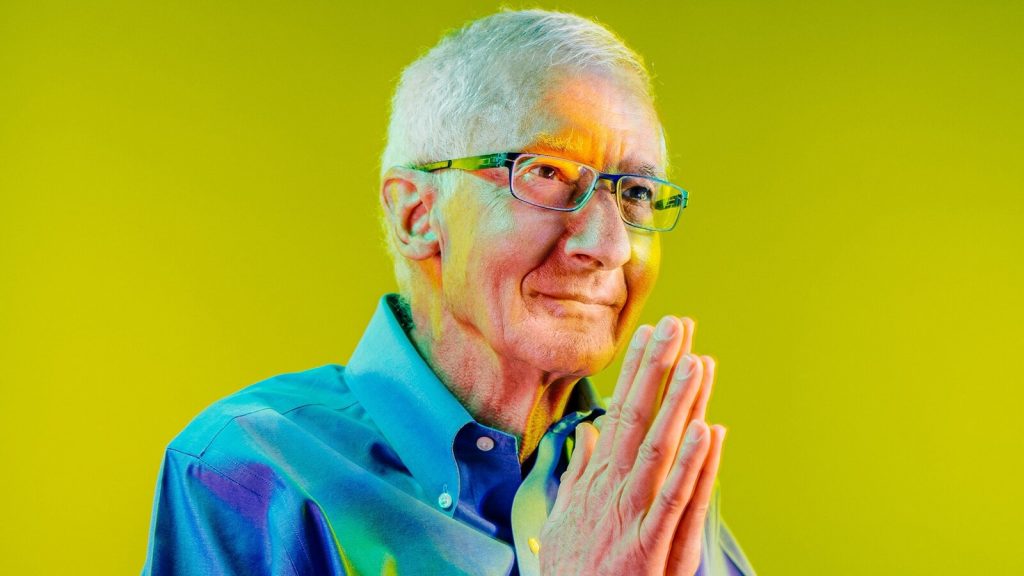
Moments after concluding ICPR 2016, on an all but empty conference floor, Roland Griffiths accosted me. Fixing me with an intense stare, he inquired, “Are you aware that you are aware?” Wondering whether I really was at that exact moment, I hesitated. He repeated his question, and as I had now become acutely aware due to this somewhat awkward situation, I answered “Well, now I am.”

Feeling a sense of relief of having just passed some kind of test, I was awarded with a gold-coloured medallion displaying psilocybin mushrooms and the inscription ‘May you be aware of awareness’ on one side, and William Blake’s ‘The true method of knowledge is experiment’ on the other. Wonderfully ambiguous; a referral to both the scientific method and the importance of personal experience, and an apt representation of the scientific and mystic sides that coexisted within him.

When we started OPEN in 2007 – years before psychedelic research became as mainstream as it is now – we emphasised the importance of rigorous scientific research. At the same time, we recognised that the value of these substances lies in the dizzying variety of experiences they occasioned (a term coined by Roland and his team, as far as I can tell). Few people were better equipped to combine both sides, and to reignite psychedelic research, than Roland Griffiths.

Embodying methodological rigor with a deep interest in the depths of human consciousness, Roland Griffiths was ideally suited to push the boundaries of science towards the ineffable. It was this same spirit of curiosity, humility and honesty that enabled him to confront his impending death with such grace. His parting words of wisdom during ICPR 2022 moved the audience of over 1000 people to tears and although he could not witness the standing ovation himself, he left us with a profound sense of gratitude.

With gratitude for life, science, psilocybin, and a sense of mystery. Roland will be missed deeply.

Watch Roland Griffith’s keynote at ICPR 2016 here.

South America’s Psychedelic Legacy: From Ancestral Rituals to Modern Healing

South America, a vast continent brimming with diverse ecosystems, cultures, and histories, holds a rich tapestry of traditions deeply interwoven with the use of psychedelic substances. From the high-altitude terrains of the Andes to the dense Amazon rainforests, indigenous communities have, for centuries, turned to plants and fungi as gateways to spiritual realms and therapeutic healing. These aren’t just substances; they are sacred tools, integral to ceremonies, rites of passage, and communal bonding.

However, the path from traditional ritual to contemporary use in urban settings is laden with complexities. The increasing interest in these ancient compounds, coupled with the modern pace of overconsumption, have cast a shadow of ambiguity over the legal and ethical use of these psychedelics. How do nations with deep-rooted traditions reconcile with the rapidly changing global perspectives on psychedelics?

In São Paulo, at the state’s Federal University, a team of researchers embarked on a journey to unravel this question. Transposing this time-honoured wisdom into a clinical setting wasn’t a mere academic endeavour, but a task steeped in respect and responsibility, acknowledging the profound depths of these practices.

After two long years of relentless preparation and securing funding, the team launched their pioneering study to explore the potential of psychedelic mushrooms in treating tobacco addiction and ayahuasca’s efficacy for alcoholism. The first person to take part in the experiment took three grams of dehydrated psilocybe cubensis mushrooms, and a few hours later began to tell the research team an interesting story about an otherworldly place he had just seen!

Administering three grams of those mushrooms is absolutely no joke, and while the tales were captivating, the team cherished the very act of him sharing his narratives – This showed that their volunteer had entered an altered state of consciousness in a setting where he felt secure. These were the first baby-steps to incorporate an ancestral wisdom into our contemporary practices of health care.

And while psychedelic research surges in the global scenario, Brazil’s legal framework provides us with another card up their sleeve: Unlike many studies in the U.S. and Europe that predominantly explore synthetically derived psychedelics, this approach taps directly into Brazil’s natural biodiversity by using the substances in natura, which are permitted for religious and syncretic use. However, the war-on-drugs mentality still runs strong, so both ayahuasca and mushrooms are still considered dangerous drugs by many authorities, which could make things complicated very fast.

But we got to admit that it’s a bold move, and perhaps a bit ironic, that we are turning to our native hallucinogenic substances for potential remedies to the modern health problems caused by unprohibited substances. Yet, if we’ve learned anything from the world of psychedelics, it’s that they possess a remarkable knack for picking our minds with enlightening perspectives.

In a three-part blog series that will be published on the OPEN Foundation website during the coming months, I will share stories on how this research team faced institutional and political persecution for working with psychedelic substances, what their journey of seeking funds can teach us about the interest of the private sector in countries that carry an ancient traditional context of psychedelic use, and what did we learn from our volunteers during their participation in the study.

Stay tuned!


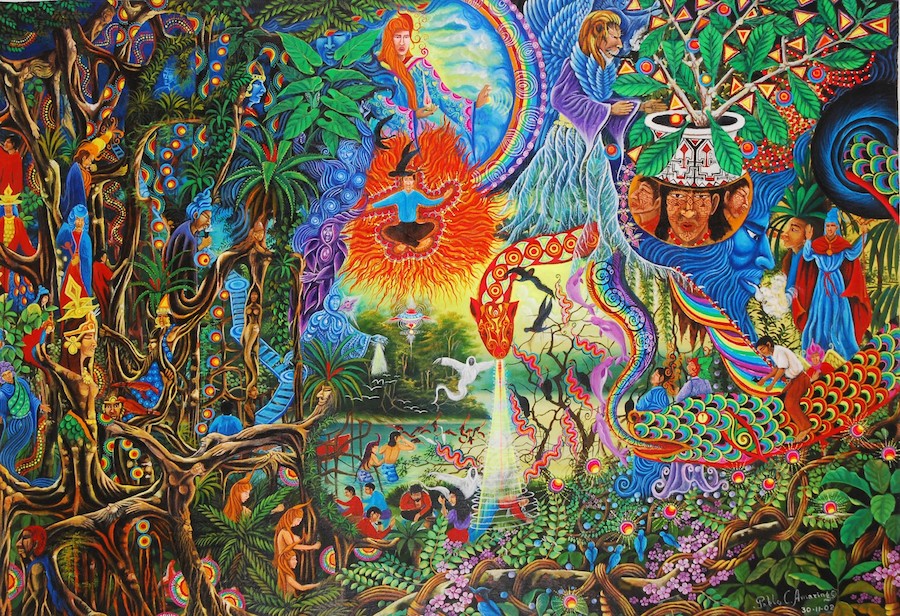
Image credit: Ayahuasca visions by Peruvian maestro and painter Pablo Amaringo, from ‘The Ayahuasca Visions of Pablo Amaringo’ by Howard Charing, Pablo Amaringo, and Peter Cloudsley (2011)

The Mystical Entropy Project: workshop I

The Mystical Entropy workshop consisted of a three-day event with various academics and scholars from around the world. They sought answers to the calling question of whether we can use the concept of ‘entropy’ to characterise key ideas from mystical traditions, and how this would facilitate scientific research into mystical practices and experiences.

The Mystical Entropy workshop consisted of a three-day event that was organised by Michiel van Elk (cognitive neuroscientist at Leiden University and board member of the OPEN Foundation), Aidan Lyon (philosopher at Leiden University) and hosted by Anya Farennikova (philosopher at University at Amsterdam).  The event took place on October 12-14 at the IJ-kantine in Amsterdam and was attended by a highly interdisciplinary group of individuals coming from every corner of the world. As a result, I had the pleasure and good fortune of engaging in deep conversations with cognitive neuroscientists, physicists, computer scientists, philosophers, religious scholars of Judaism and Sufism, meditation teachers, yoga teachers, a lawyer, and to top it all off, a Buddhist monk who practices in a monastery in the Hollywood Hills.

If this was not already the perfect recipe for facilitating information-rich, and sometimes highly entropic (uncertain and disorderly) conversations, the Mystical Entropy workshop adhered to a so-called Open Space Technology (OST) methodology. Rather than using a top-down approach where the organizers choose the various topics of interest prior to an event, the OST methodology comprises a bottom-up approach in which the participants get to pick the various topics of interest and set up the agenda for the day.

Naturally, this occasioned some entropy (‘uncertainty’) in some of the participants during the opening and introduction on the first day. But I imagine this to be the case for the organisers Michiel, Aidan, and Anna in particular. Then again, the OST approach also brought with it a certain meta-vibe and essentially seemed like a perfect fit for the topics at hand. Indeed, what better way to organise and conduct a three-day workshop about entropy and mysticism – concepts that are by themselves already elusive – than to create a container in which both the setup and outcome are somewhat entropic. And all this to seek out the calling question of how we can use the concept of ‘entropy’ to characterise key ideas from mystical traditions, and how this would facilitate scientific research into mystical practices and experiences.

Origin Stories

The workshop was initiated by Aidan, Michiel, and Anya by giving an introductory talk on how this workshop came to be. Aidan was introduced to the topic of ‘entropy’ by one of his professors whilst still a student of mathematics. He became immediately enamoured by the subject, read as much as he could, and ended up bugging his professor with tons of questions until his professor gave up and grew tired of him by responding: “Aidan, this is ultimately a philosophical question!” This led Aidan to study and pursue philosophy to gain a better understanding of entropy.

Michiel, on the other hand, grew up in a very religious town near Amsterdam. As a young boy, he attended various ceremonies in church where he witnessed individuals becoming cured from the most extreme forms of diseases and how they were freed from the devil. These early experiences with the ‘ecstatic’ imbued in him a fascination with the topic of mysticism. Together with his natural curiosity, he became an academic in cognitive neuroscience to better understand these types of religious and mystical experiences.

Anya also made an encounter with the mystical at a very young age, except through something entirely different. She shared a personal story during her introduction of how she was born in Belarus when it was still part of the Soviet Union. When it declared its independence on August 25, 1991, this meant that Anya was finally able to view cable television instead of three national channels, was allowed to wear denim jeans, and could listen to a wide variety of music genres. But the memory that stuck with her the most was her first piece of bubble-gum of the so-called brand ‘Love is…’ which, after eating it for the first time, seemed to have given her a full-blown mystical experience. Fast forward to somewhere in the year 2018, all three thinkers met up due to their mutual fascination with these subjects, thereby converging the fields of philosophy and cognitive neuroscience, and the Mystical Entropy workshop was born.

The Marketplace of Open Space Technology

Anya then explained to us in more detail the setup and potential merits of OST. But before we continued, we had to get up of our chairs, touch the ceiling, then touch our toes, and roll around our shoulders for a few minutes. Only then were we thrown into an entropic state that was going to last for the upcoming three days.

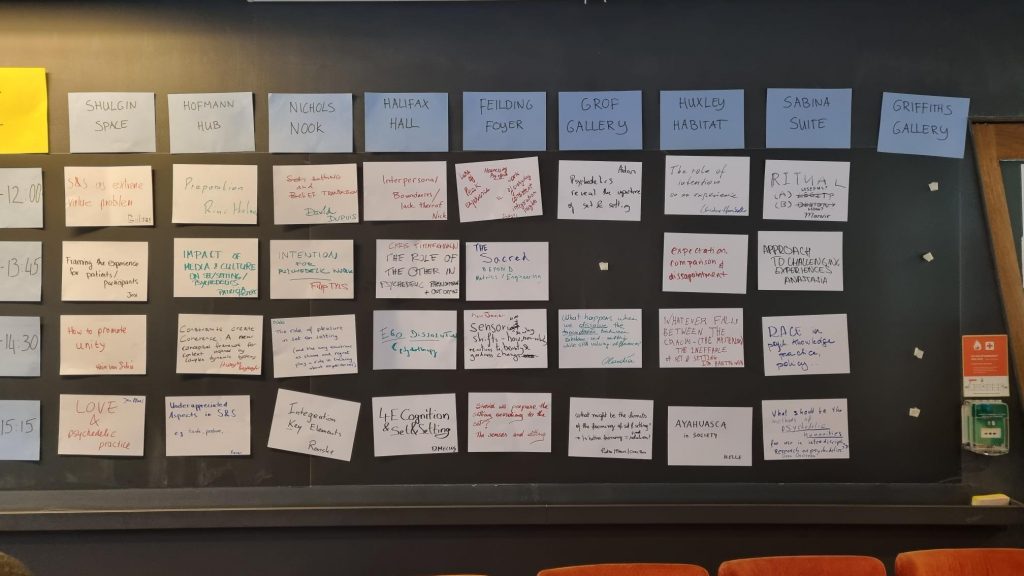
As mentioned previously, OST requires input from the participants to set up the agenda for the day and to create a marketplace of ideas. This allows for the option of merging workgroups and relocating them if there seems to be a considerable overlap between topics. Another responsibility was that each workgroup ‘leader’ had to write a report on what was discussed during the session. At the end of the day, other participants could read this report and provide feedback or ask for clarification.

Naturally, there was some trepidation from all the participants following Anya’s presentation, but as the Dutch saying goes: “when one sheep crosses the dam, more will follow!” Indeed, before we knew it, the agenda for the first day was set after only 15 minutes.

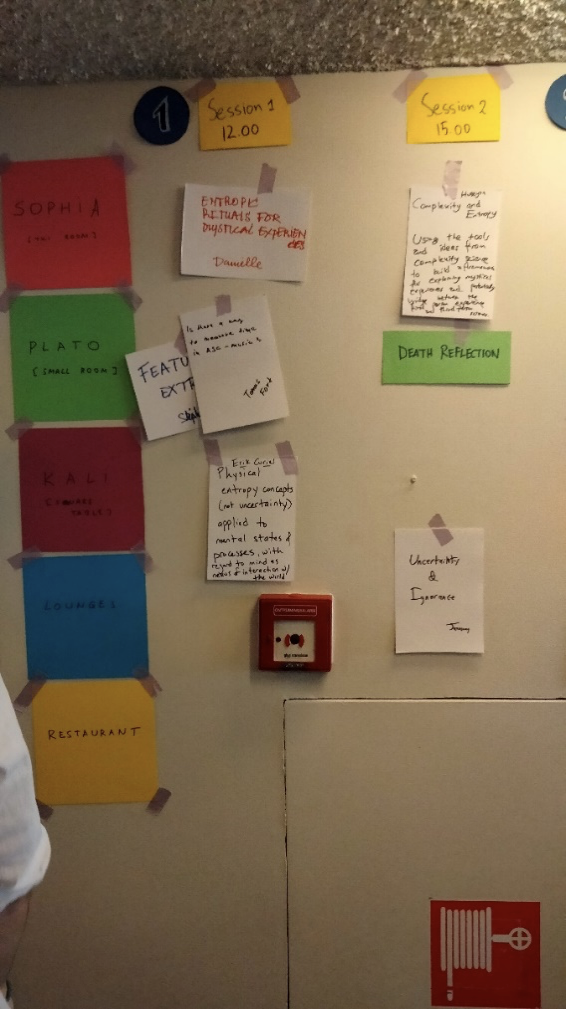
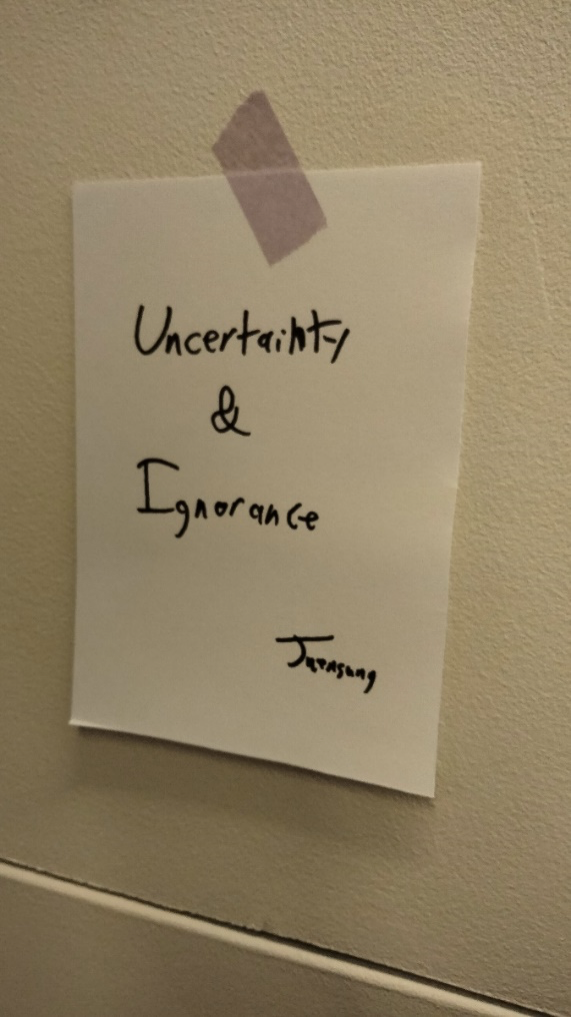
The Mystical Entropy workshop agenda for day 1 (sessions 1 and 2) using Open Space Technology

Humble Beginnings: embracing uncertainty, disorder, and information

To say that the three days of the Mystical Entropy workshop were engaging is definitely a huge understatement. As I already mentioned, the group that showed up at the workshop was highly interdisciplinary. Consequently, the various discussions I participated in resulted in some of the most interesting, deep, but at several times also very challenging, conversations I have had in my entire life and early academic career. Naturally, to summarize what was discussed one week following the workshop is nothing short of an insurmountable task. What follows represents a rough impression of what I experienced during these three days and the main current challenge. 

Most of the workshop sessions I attended were oriented towards the measurement of the mystical experience and, to a lesser degree, how the concept of entropy might be used to conceptualize such an extraordinary, altered state of consciousness. Topics here varied from potential tools we can use from cognitive neuroscience to better understand the mystical experience, whether (informational) entropy can be used to clarify mystical experiences of unity or ego-dissolution, the potential problems with the conceptualizations and operationalizations of the mystical experience, and novel conceptual frameworks such as Cusp Catastrophe Theory to describe the dynamics of conscious states during mystical experiences.

The workshop session hosted by Josjan Zijlmans on the second day stuck with me the most. Josjan already caught my attention a few years ago when he co-authored the paper Moving beyond Mysticism with James Sanders. This paper proposes to demystify psychedelic science and to use unambiguous secular frameworks with alternative questionnaires, as opposed to the widely used Mystical Experience Questionnaire, to predict the (psychedelic) experience of interest and potential clinical outcome(s).

This paper received a response from Joost Breeksema and Michiel van Elk in which they argue that psychedelic science should embrace the study of mystical experiences, not only because of their clinical significance, but also because these experiences have a long and rich history in religion and have been extensively studied by several religious scholars. For the interested reader, I highly recommend the journal club from the Amsterdam Psychedelic Research Association where all authors were invited to debate this question.

This session particularly grabbed me because, as it turns out, it is extremely hard to talk about concepts as the mystical experience and entropy. As a result, we risk losing our ideas in translation because we might have diametrically opposed views of what these concepts actually entail. This is in part because, as Aidan has written in his Mystical Entropy Manifesto prior to the event, the mystical experience and entropy “are notoriously difficult to define” and that even entropy itself “is a mystical notion.”

As it turns out, there are numerous types of entropy in physics that has left me with various questions for future study. What are all the kinds of entropy? Which one of these could conceptualize the mystical experience in the most parsimonious way possible? The same holds true for the mystical experience, not only after attending Josjan’s workshop session, but also following other sessions where the phenomenology (subjective experience) of the mystical experience was widely discussed and met with considerable debate. Indeed, what kind of characteristics or features are essential to the so-called mystical experience? Is there only one (perennial) mystical experience? Or is there a Buddhist-like mystical experience and a more Sufi-like mystical experience?

Some of the attendees were jokingly telling me over lunch that they even got more confused after some of the workshop sessions. And to show some epistemic humility, I can certainly say the same for myself and was lost in some of the discussions. But then again, maybe this state of uncertainty and of not knowing might just be the experience that some of us need as it potentially helps bring us back to the so-called beginner’s mind of shoshin. And maybe this could eventually lead to a better understanding of the mystical experience and entropy.

In a sense, the workshop as a whole felt like going back to the drawing board and attaining shoshin. This can be particularly important for us academics. All of us can get stuck in a rut every once in a while. We become rigid in our way of thinking. We only stay in our field of interest. Shaking up our belief systems with more entropy – uncertainty, disorder, and information – certainly changes our way of looking at things and potentially put more ‘balance’ to this belief system.

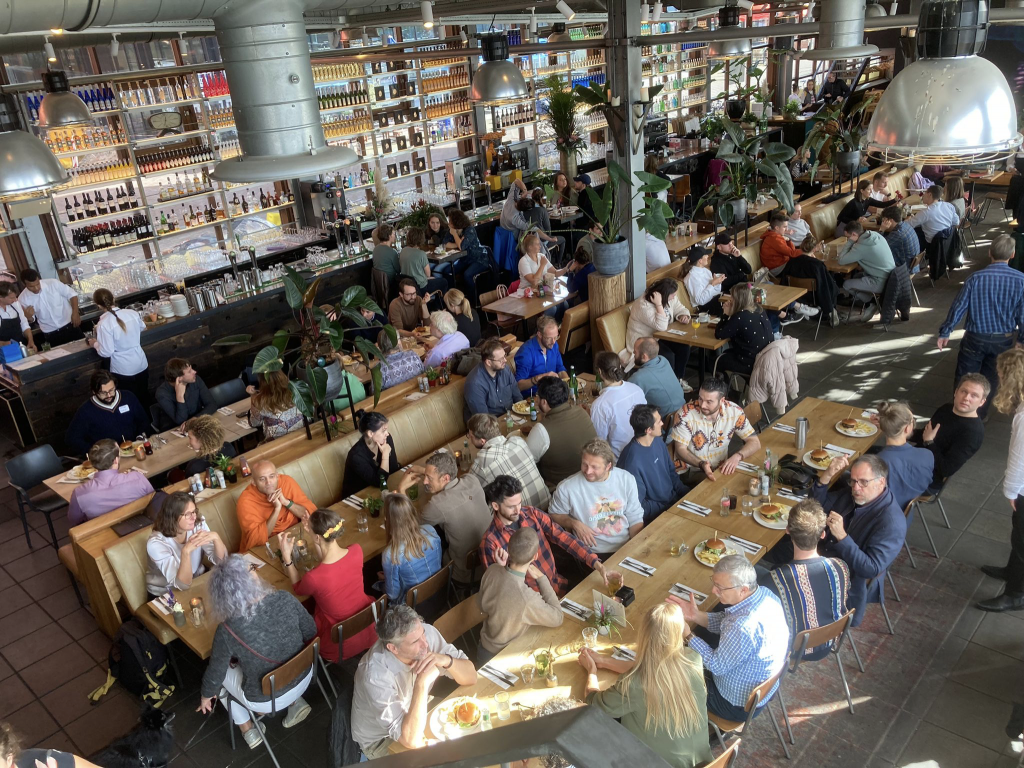
Lunch with all attendees of the Mystical Entropy Workshop in the IJ-kantine Amsterdam

Memento Mori

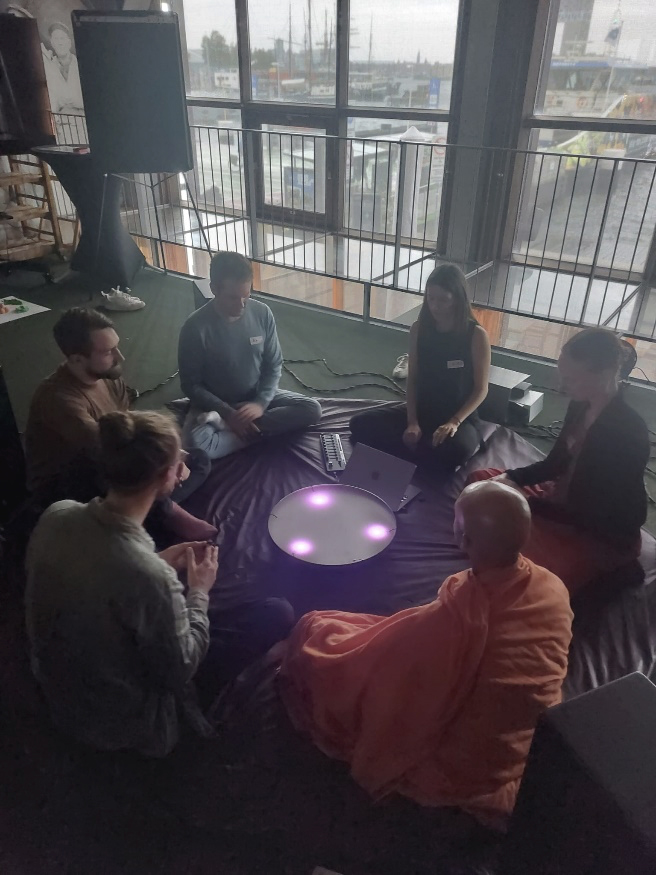
The workshop sessions were interspersed with various experiential sessions to get us out of our heads that varied from yoga, meditation, to biofeedback. One session that stayed with me for days after the Mystical Entropy workshop took place on the first day of the workshop and was created and led by Dr. Mark Miller, a philosopher, cognitive scientist, and happiness aficionado, who is affiliated with several universities across the world, including the Centre for Consciousness and Contemplative Studies at Monash University,  the Psychology department at the University of Toronto, and the Centre for Human Nature, Artificial Intelligence and Neuroscience at Hokkaido University. From the very beginning of the Mystical Entropy workshop, Mark already caught my attention because of his highly energetic persona marked by his turbulent stride through the IJ-kantine. As soon as he proposed a session to reflect on death, a practice that intrigued me ever since reading the Stoics, I knew I had to be there.

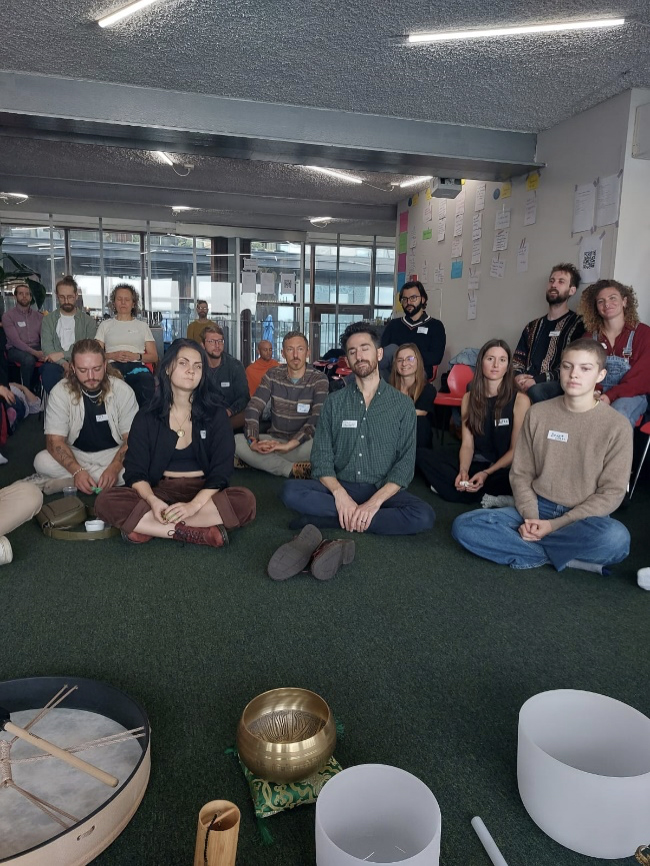
We sat around in a circle in the main room (Sophia) with approximately twenty individuals. Mark instructed us to sit comfortably in our chairs and to close our eyes. He then posed the question: “Will I die?” This question essentially became a mantra and was repeated several times for about two minutes and followed by his answer: “Yes, you will die.” Other questions and reflections on death continued for the next ten minutes, including “When will I die?”, “How do I want people to remember me when I die?”, and “Where do I want to be if this were my last day?”

Mark instructed us to slowly open our eyes after ten minutes and silently reflect on the thoughts that came up during the meditation. He then went around the circle and asked every participant to give one word, or describe in one sentence, the most important thing to him or her. Across the board, people announced words as love, meaning, relationships, authenticity, and family. Mark has conducted these sessions all over the world and never in his life has he heard someone say: “I want to be remembered because of my kick-ass Ferrari.” Indeed, across cultures he has found that human beings are ultimately longing and striving for the same: love, meaning, a sense of purpose, family, and relationships. And I think this experience brought us closer as a group and further facilitated the sessions in the days to come.

Experiential sessions at the Mystical Entropy Workshop (left: biofeedback, right: meditation guided by music)

In closing

On the final day, I talked to Aidan in the main room when everyone was rounding things off and preparing their presentation of the respective workshop session. Seeing how things came to fruition these past few days, I was eager to ask him the question of how he thought the workshop turned out, to which he responded: “I cannot believe how perfect it is!”. I can imagine the anticipation must have been very stressful and to see it turn out with such engagement from all participants must have been extremely satisfying and fulfilling.  

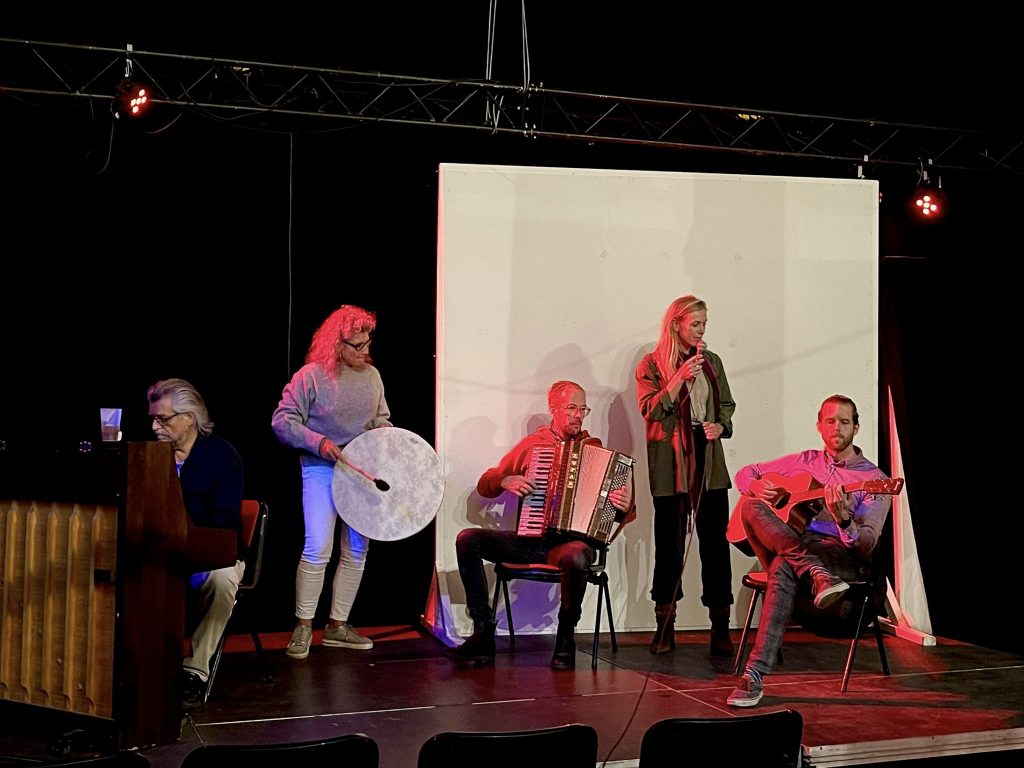
After an hour of presentations and further discussion, it was time to finish the Mystical Entropy workshop with drinks and good food. This was also the time for us to show our creative side and I was astounded by the talent of some participants. In just one evening, I have seen a professor of religion play the blues on piano, a cognitive neuroscientist performing four dances of ballet, a physicist reciting a self-written poem, and I got to perform in a jam session with other attendees from the event.

A second Mystical Entropy workshop has already been scheduled for next year that will have a primary focus on neuroscience. By then we will probably have tackled the current challenges at hand and come to a better understanding and definition of mystical experiences and entropy. Hopefully, the second edition will be as successful as the first and we can explore various neuroscientific frameworks to conceptualize these key concepts.

Jam session after dinner at the final day of the Mystical Entropy workshop

NEW preclinical research sheds light on the 5-HT2AR and microdosing

Two pieces of preclinical research shed light on two of the hottest topics in psychedelic science: the 5-HT2AR and microdosing.

A new study out of the prolific Bryan Roth Lab at North Carolina Chapel Hill has produced a suite of genetically engineered mice, tailored to unlock the fundamental biology secrets behind the transformative power of psychedelics.

The importance of the serotonin 2A receptor (5-HT2AR) in psychiatric disorders like schizophrenia and depression was recognized in the late 20th century but, despite years of study, we still lack a full understanding of its distribution and function. These newly engineered 5-HT2AR reporter mice, created through CRISPR-mediated recombination, make it possible to accurately map the 5-HT2AR in living organisms, identify the cell types that express this receptor (pyramidal neurons most densely expressed in the layer 5 of the neocortex), and explore ways to modulate only those without altering non-5-HT2AR-expressing cells.

Importantly, one of these is a humanized 5-HT2AR mouse line that exhibits a specific behaviour upon administration of psychedelic compounds, increasing the translational validity of future studies that will be using this model. This is a remarkable achievement, since the 5-HT2AR displays different affinities and downstream effects in humans and rodents. Lastly, electrophysiology studies revealed the major role of the 5-HT2AR in enhancing the activity of pyramidal neurons, a finding that would be consistent with a plasma membrane localization and mode of action.

A second piece of research from Copenhagen University Hospital studied the potential benefits of microdosing psilocybin in rats, to provide scientific validity to the anecdotal claims of improved mental health. The researchers set out to mimic the practice of psilocybin microdosing through a well-structured regimen of repeated low-dose psilocybin administration, carefully derived from occupancy levels at rat brain 5-HT2ARs.

Several key findings are derived from this study. Crucially, the treatment didn’t downregulate or desensitize the 5-HT2ARs, instead, it enhanced 5-HT7 receptor expression and synaptic density in the thalamic paraventricular nucleus, indicating a possible physiological mechanism at play, while it conferred resilience against stress and reduced compulsive behaviours. These results provide a solid foundation for further experiments to explore the effects of microdosing, not only lending credence to anecdotal reports of its therapeutic benefits, but also hinting at the existence of a tangible physiological mechanism behind these effects.

Altogether, these two studies have the potential to redefine our understanding of these compounds and significantly advance the field of scientific research in the realm of neuropsychiatric disorders and drug therapies, particularly for examining the molecular, cellular, pharmacological, physiological, and behavioural effects of psychedelic drugs in living organisms.


Image credit: stock.adobe.com

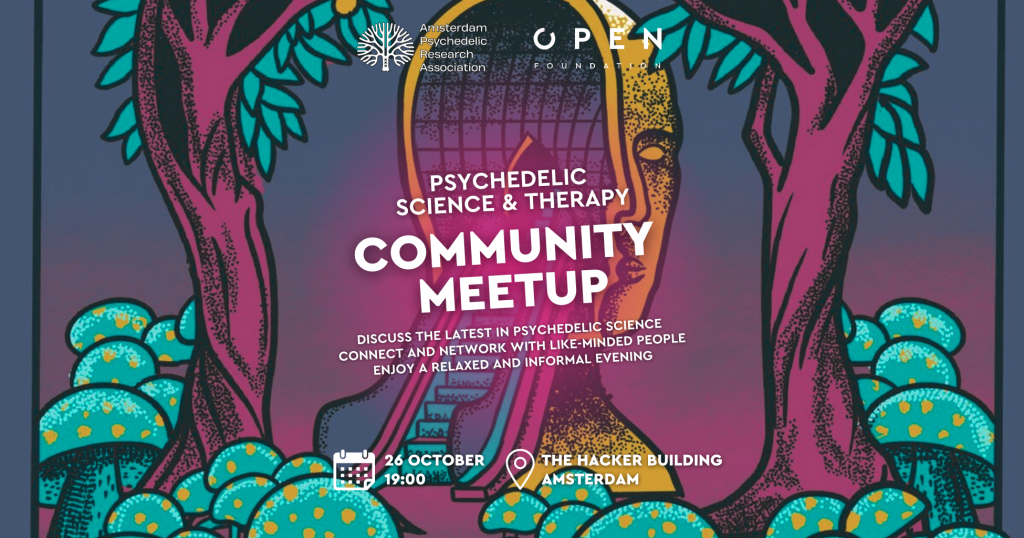
OPEN x APRA Community Meetup in Amsterdam – October edition

Get ready for an epic in-person OPEN community meetup that’s going to be more special even than our usuals! OPEN and APRA are teaming up for an evening of connections, conversations and good vibes!

On Thursday 26 October, you are very welcome to join us and

  • connect with other psychedelic enthusiasts and professionals; 
  • discuss the latest on psychedelic science, research and therapy;
  • and, of course, enjoy a fun night with us!

It’s going to be a memorable evening of mingling, sharing, and expanding our psychedelic horizons. See you there! 🌈

Substance, Set & Setting – An OPEN Foundation workshop

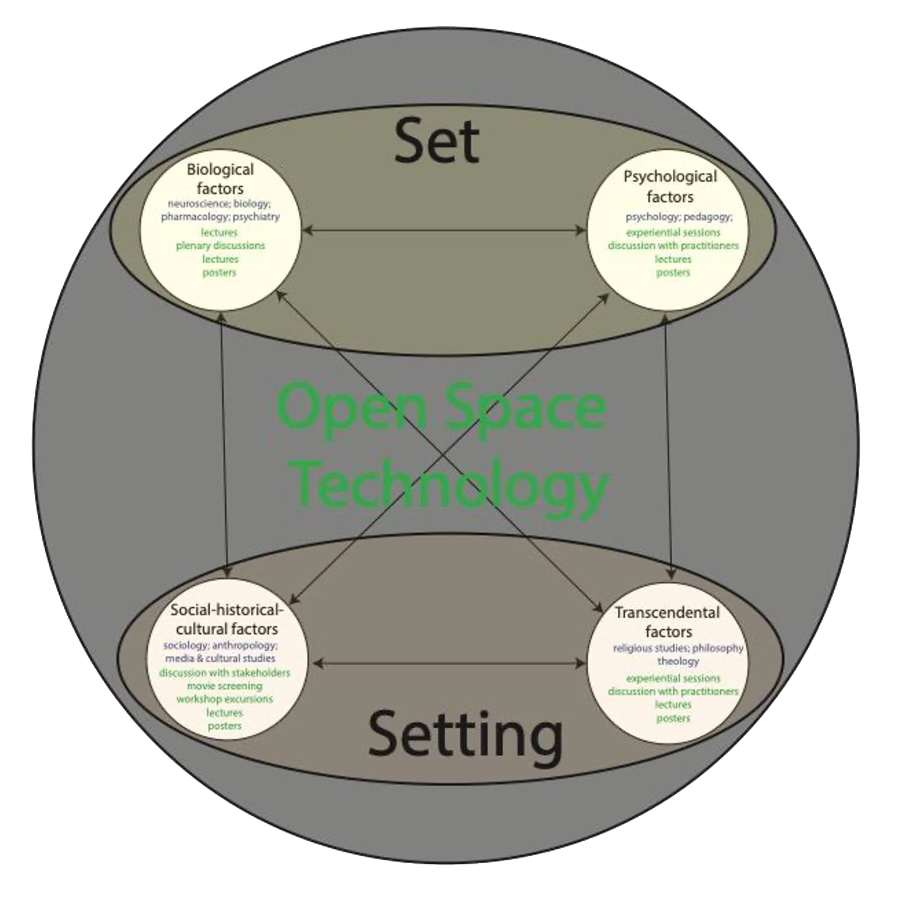
Set and Setting in Psychedelic Use

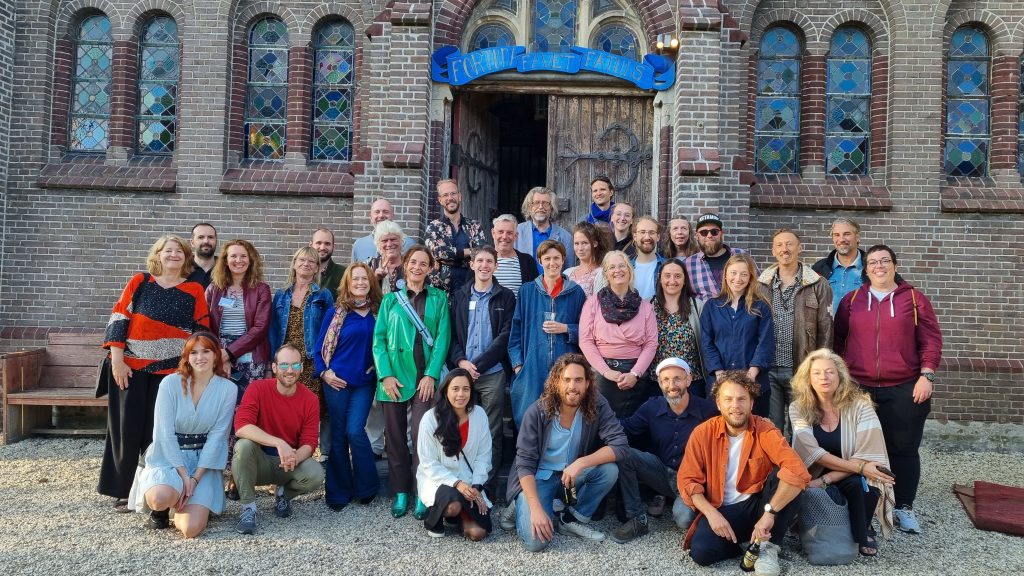
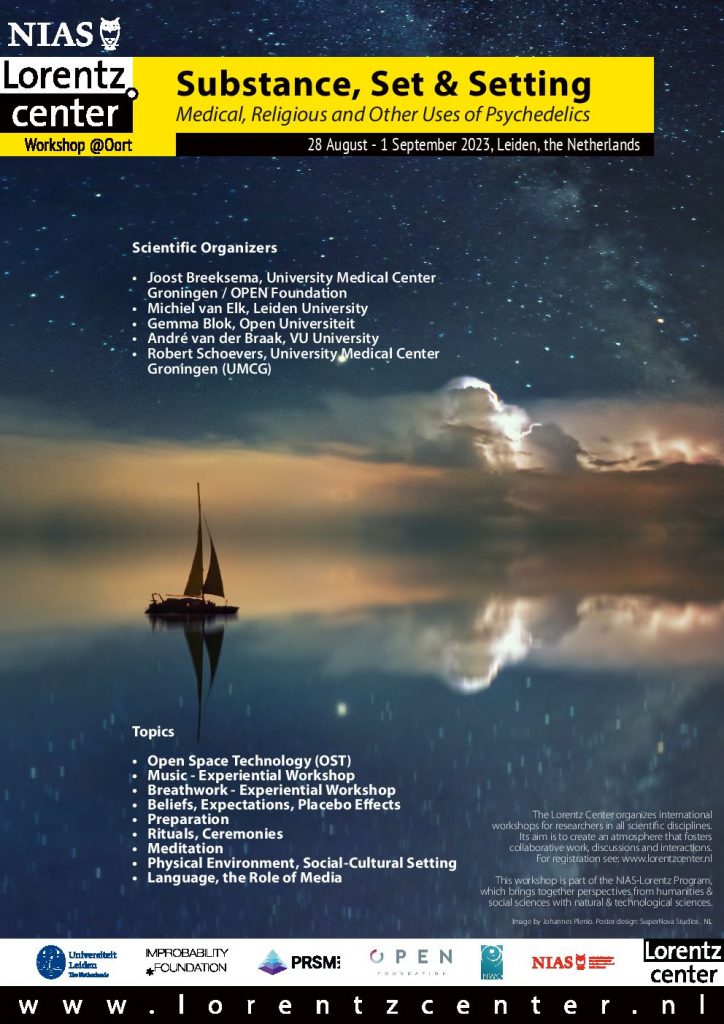
During the last week of August, the Lorentz centre at the University of Leiden hosted the Substance, Set and Setting workshop. Initiated by the Open Foundation and generously supported by the Netherlands Research Foundation (NWO) and the Improbability Foundation, more than fifty researchers and practitioners from the field of psychedelic science and therapy convened for five intensive days to discuss the entanglement of substance, set and setting. The aim of the workshop was to create new research models and guidelines to further our understanding of how non-pharmacological factors affect the psychedelic experience. To this end we used innovative and interdisciplinary research ideas and methods, and we established interactive discussions between scientist, therapists and other practitioners (e.g., organizers of retreats). The workshop brought together leading international researchers and experts from different disciplinary backgrounds to foster an exchange of ideas and best practices about whether and how set and setting can be used to ‘engineer the psychedelic experience’ and to develop best practices (e.g., related to harm minimization). The participants also attempted to integrate academic and experienced experts’ knowledge about the use of psychedelics that already exists in medical, religious, and other non-medical settings.

Open Space Technology

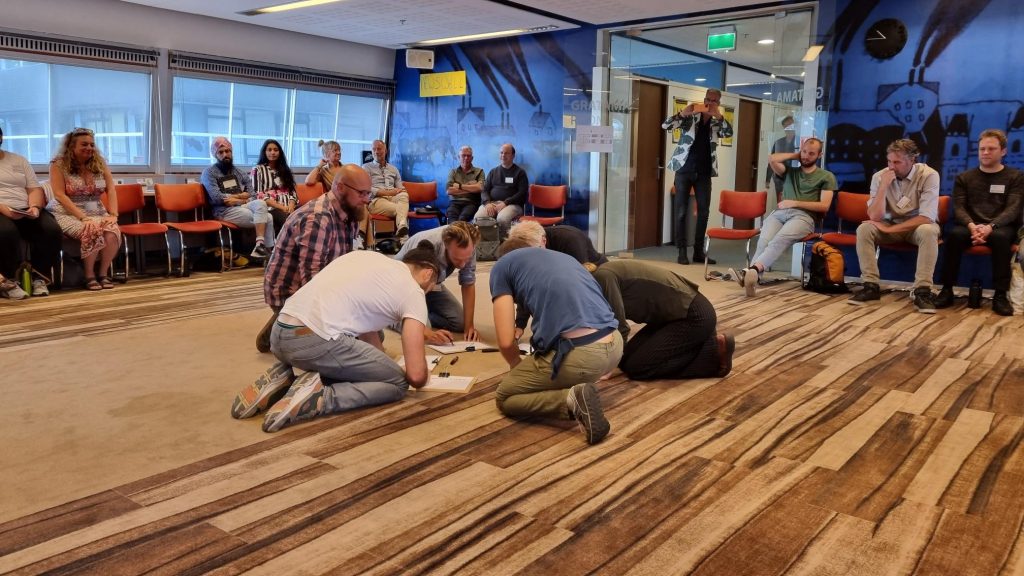
To encourage an active engagement between researchers from different disciplinary backgrounds (a variety of (medical) sciences, social sciences and humanities), practitioners (such as place holders, ceremony leaders, psychologists) and harm reduction and addiction and substance abuse experts, the workshop used the format of Open Space Technology. In spite of its high tech name this technique provides a pleasantly analogue and hands-on way to collect ideas, to select and focus and to collaborate in interdisciplinary teams on the agenda that was by and large determined by the participants. It was quite amazing to see how an empty wall for ideas and topics, soon transformed into a beehive of themes to discuss and evaluate. In breakout rooms these topics were discussed, according to the principle that it is okay to hop from one room to the next like bumble bees who can cross pollinate or like butterflies who can more silently absorb and transmit information at a later stage. The outcomes were synthesized using the reporting sheets from each discussion group, that were made available to all participants after the workshop.

Everything Else Matters: Film, Experiential Workshops, the Sea and Ruigoord

The workshop also included some plenary moments, such as the presentation of the findings from the Delphi study on setting conducted by the Centre for Psychedelic Research at Imperial College in London by Chloe Provoost-Morgan and Leor Roseman. We also engaged in a  presentation of the work-in-progress of the documentary on set and setting Everything Else Matters, a film co-commissioned by the OPEN foundation.Directors Kristina Kulakova, and producer Dmitry Repin presented and discussed excerpts from the film, interviewed several participants and actively worked on the film that will be presented at ICPR 2024. Ido Hartogsohn, assistant professor at Bar-Ilan University, gave a passionate keynote lecture, in which he proposed to extend the notion of set and setting to include the socio-historical context in which psychedelic experiences take place as well. Harm reduction specialist from the Dutch Jelinek and Trimbos institute shared their view and knowledge on harm reduction and several scientists presented their research and experiences either in smaller groups or on posters. 

Over the course of the week the empty offices at the Lorentz Institute started to be taken over by buzzing sounds, passionate exchanges of ideas, but also music and movements in space. In the meantime, in several experiential workshops  the idea of set and setting was put into practice: this opened up new dimensions: a breath work workshop by Katrien Franken moved participants deeply; a music workshop by Arno Adelaars and Jan Frank transformed the university room into a ceremonial space and invited participants to improvise music during breaks; Rini Hartman gave a taste of a Sante Daimo set and setting; and Andre van der Braak demonstrated different meditation techniques. All these experiences were not only important demonstrations of set and setting but contributed to the exchange and development of new ideas on set and setting.

These experiential events are at least as important as the formal research and academic discussion on set and setting. Also the evening program included an experiential element. We watched a screening of Maartje Nevejans’ beautiful documentary Descending the Mountain, documenting the story of a psychedelic scientist and a Buddhist monk who develop a lifelong friendship, which was  followed by a Q&A with the director. We enjoyed a barbecue at the Dutch seaside that invited several participants to a spontaneous dive into the cool and dark water of the North Sea. On Thursday evening the group made a visit to the unique cultural green village (hidden in the Amsterdam Harbor) Ruigoord with a guided tour by one of its founders, Hans Plomp.  

And Now? Concrete Outcomes and follow-up

 Throughout the week different groups started to work on different concrete outcomes of all the encounters: one group initiated a joint white paper on substance, set and setting. Another group focused on the development of a conceptual model and theoretical framework that highlights the surplus value of bringing together the perspectives of different disciplines and practices. And a third collective started to work on concrete guidelines for different groups of practitioners and policy makers with a particular aim at harm reduction and care. In many discussions we had, it was clear that while sharing the exact same hypothesis about the necessity to bring together substance, set and setting, it was not always easy to create ways to truly collaborate in larger projects. But this is precisely where innovation is needed we should embrace complementarity and serial disciplinarity, where each discipline, according to its own method or practice, covers a part of the entire psychedelic spectrum which can then be brought together at different stages. 

While all groups are still working on concrete papers and guidelines, it was clear that the commitment of working together, sharing spaces and places, provided the foundation for the establishment of an interdisciplinary European research network for psychedelic research. We were also able to conceptualize and establish parameters of responsible and safe use of psychedelics in different contexts (medical, religious, recreational and other). Such guidelines can be implemented by policy makers and practitioners and are aimed towards providing concrete advice and recommendations related to risk reduction of psychedelic use. 

At the end of the week we had a closing circle, in which every participant shared their insights and experiences. It was heart-warming to learn how the workshop had been an invaluable experience for everyone involved. It is a unique situation to be able to devote a full week with experts for an open and free debate about set and setting. And we sincerely hope that the participants will carry this positive afterglow forward in their own work and practice!  


Reported by Patricia Pisters & Michiel van Elk (Board members OPEN Foundation)

Tickling the Serotonin Switch: Psychedelic Pathways Make the Mouse Head Twitch

Let’s wear our preclinical researcher’s hats for a minute and suppose we forget about the BDNF receptors, intracellular 5-HT2ARs, and the reopening of critical periods. In that case, one thing is clear about classic psychedelics: neuronal surface 5-HT2ARs are the doors of hallucinations (mandatory note to the NMDA and KOR friends: we are talking about classic psychedelics here). Welp… guess what! The story is not that simple!

It has long been known that serotonergic -classic- psychedelics activate both Gq/11 and β-arrestin2 signaling upon 5-HT2AR binding, and even though non-psychedelic 5-HT2AR biased agonists already exist -or so was thought before the first Tabernanthalog trip reports started contradicting Olson Lab’s claims-, the role of these pathways in the psychedelic effects is unclear. There is no adequate pharmacological explanation accounting for the nature of the signaling mechanisms of these non-psychedelic 5-HT2AR agonists.

To dig deeper into their biology, researchers from Saint Joseph’s University, UCSD, and Medical College of Wisconsin developed a series of 5-HT2AR-selective ligands with varying Gq efficacies, including β-arrestin-biased agonists, and tried to predict their psychedelic potential using the head-twitch response in mice.

Among their findings, they observed that psychedelics exhibit fairly dynamic and time-dependent but similar profiles of Gq and β-arrestin activity. Moreover, 5-HT2A-β-arrestin2 recruitment efficacy is not a reliable predictor of potentially psychedelic molecules, while a threshold level of Gq activation is required to induce psychedelic-like effects.

But perhaps most importantly, their efforts in developing highly selective 5-HT2AR agonists yielded greatly insightful observations in terms of the relationship between drug structure modification and receptor binding profile. For example, attempts in reducing the electrostatic properties of the ring system in the phenethylamine scaffold (that is, drugs structurally similar to mescaline or 2-CB) substantially reduced 5-HT2CR and 5-HT2BR activity, but maintained potent 5-HT2AR activity, resulting in increased 5-HT2AR selectivity.

This study paves the way for the design of next-generation psychedelics with fine-tuned properties distinct from those of classical psychedelics, opening the possibility of tailoring their effects to the specific needs of the individual patient (or user).

Read the full publication here!


Image credit: J. Kuhl

Imprinting: expanding the extra-pharmacological model of psychedelic drug action

When you enter the landscape of psychedelic-assisted therapy, there are two colloquial terms, or so-called extra-pharmacological (contextual) factors, that are deemed essential in preparation and facilitating therapeutic outcome. These are of course the ‘set’ and ‘setting’ that, respectively, broadly refer to how current-moment mindsets (expectations and intentions) and the environment are able to shape the psychedelic experience. But what about potential environmental influences from the past, a phenomenon also referred to as ‘imprinting’?

The phenomenon of imprinting is not entirely new and was recently brought to my attention during OPEN’s online panel discussion ‘Reality Check: Psychedelic Industrial Complex, Hype, Funding, and Research’ with Jane Hu, David Yaden, Josh Hardman, and Shayla Love. Somewhere halfway through the discussion, Shayla Love mentioned how the so-called ‘Brain-Reset’ mechanism of psychedelics was instantiated by the media, as one journalist picked this up by a participants’ report of how psychedelic-assisted therapy felt. It has since reverberated into the culture with many articles purporting this as an established mechanism of action of psychedelics and that in turn, according to Shayla, could influence (‘imprint’) expectations of participants in future clinical trials.

A recent study sought out to investigate whether imprinting has any kind of effects on therapeutic outcome. Accordingly, the study assessed a total of 26 previously recorded treatments sessions and phenomenological follow-up interviews from participants receiving ketamine for their treatment-resistant depression (TRD). In short, the acute experience of ketamine was significantly altered by digital media use prior to treatment and that higher levels of media exposure actually reduced the mystical/emotional qualities of subsequent psychedelic ketamine experiences. Below are summarized two typical examples of imprinting.

The first example consisted of a 28-year-old woman with TRD who reported that her ketamine experience was “hijacked” by Disney iconography. The study reports that this was influenced in particular by the observation that the participant spent up to six hours a day trading Disney pins on a social media forum prior to her treatment with ketamine. This diminished the amount of emotional and mystical content and greatly disappointed the individual. Yet, the participant did change her behavior because of this and ended up spending only one hour a day on social media and Disney pin trading. Notably, the participant posited that her insight in this kind of behavior was actually profound and lasting.

The second example concerns a 34-year-old man with TRD who summed up his ketamine experiences as “a pixelated consciousness” with videogame-like hallucinations, potentially due to the study’s observation that he played videogames for up to 16 hours a day. This was rather enjoyable for the participant, but he was also somewhat disappointed because it lacked any mystical or emotional content. The therapist and participant decided to cut down on videogame hours for the subsequent ketamine sessions and instead spent time with friends and family. Notably, this resulted in significantly different ketamine experiences that were more emotionally intense with marked feelings of grief related to past relationships. Most notably, the participant reported no more “pixelated consciousness.”

These findings corroborate and expand the extra-pharmacological model of psychedelic-assisted therapy, as imprinting seems to significantly influence the phenomenology and therapeutic outcome. The paper ends with a discussion on how imprinting is not the same as priming and suggestion, whether it is underrecognized or unimportant, if it is unique to ketamine or also applies to other psychedelics, various factors that could influence imprinting, dreams as a mechanistic model for imprinting, and how imprinting seems to be consistent with the relaxed beliefs under psychedelics (REBUS) model, and further clinical and scientific implications.

Read the full publication here!


Image credit: ART IS AN EXPLOSION – stock.adobe.com

Comparing the Neural Correlates of Psychedelics, Meditation, and Hypnosis

Human beings of all cultures have been seeking altered states of consciousness (ASCs) since time immemorial. As a matter of fact, it has been posited by Ronal Siegel in his magnum opus Intoxication that our need to use mind-alter substances to induce ASCs has so much force and persistence that it functions almost like our drive for food, sleep, and sex.

In recent years, the therapeutic use of ASCs has become increasingly relevant in the treatment of various psychiatric disorders, thanks in part to the psychedelic renaissance. The phenomenology of psychedelics has often been compared to other ASC methods that do not require the ingestion of mind-altering substances, such as meditation, but also hypnosis. Yet, no study to date has made a direct comparison of these when it comes to their so-called ‘neural correlates’, which generally refers to the neural representation of a subjective experience. A recent study sought to address this knowledge gap in the literature by comparing resting state functional connectivity of psilocybin, LSD, meditation, and hypnosis in order to establish the neural correlates of each ASC method.

One of the most striking results of the study is that there was no common network in all four ASC methods, despite their significant phenomenological overlap. Perhaps this is due to the prominence of ineffability that is an inextricable part of ASCs, something that ultimately hints towards the fallibility of human self-report. Furthermore, the study shows that the direct comparison between hypnosis and meditation is associated with significant differences in functional connectivity and also differ when both of them are directly compared to either psilocybin or LSD. A final finding of the study, which might come as no surprise to some of you readers, is that psilocybin and LSD show no differences in functional connectivity when directly compared to each other. However, some results also suggest that they do show distinct relationships between their respective behavioral and neural correlates. In other words, this indicates that there are some discrepancies between the neural representation and what someone experiences subjectively when comparing psilocybin and LSD.

Overall, the authors conclude that the current results extend our understanding of the underlying mechanisms of ASCs. Most importantly, it highlights the clinical importance of investigating how ASCs can be utilized most effectively in the treatment of psychiatric disorders. Even though the current study looked at the acute effects of ASCs, there is increasing evidence that these are necessary for their enduring therapeutic effects. Although some researchers like Dr. David Olson argue to the contrary, a recent study caught my eye that further corroborates this view. Specifically, it demonstrated significant antidepressant effects two weeks following psilocybin that were correlated with increases in theta power,  an effect that is similarly observed following the practice of meditation and is accompanied by feelings of peace or blissfulness and low thought content.

But I digress… Ultimately, if we want to increase the efficacy of psychedelic-assisted therapy, the authors argue that it is of vital importance to understand the relationship between the acute effects of ASCs and the enduring therapeutic response given the observation that there is substantial variability in the acute response in psychedelics and that this acute experience can be shaped according to an individual’s set, setting, and dose. Accordingly, it is important to establish the acute neural correlates of various ASC methods in healthy controls, as it could contribute to the development of clinical biomarkers and map specific mechanisms of action to either a disease area or individual patient. Finally, given the observation that psilocybin, LSD, meditation, and hypnosis engage in distinct brain circuits, they could have potential synergistic properties that further facilitate the therapeutic response.

Read the full publication here!


Image via Dall-E