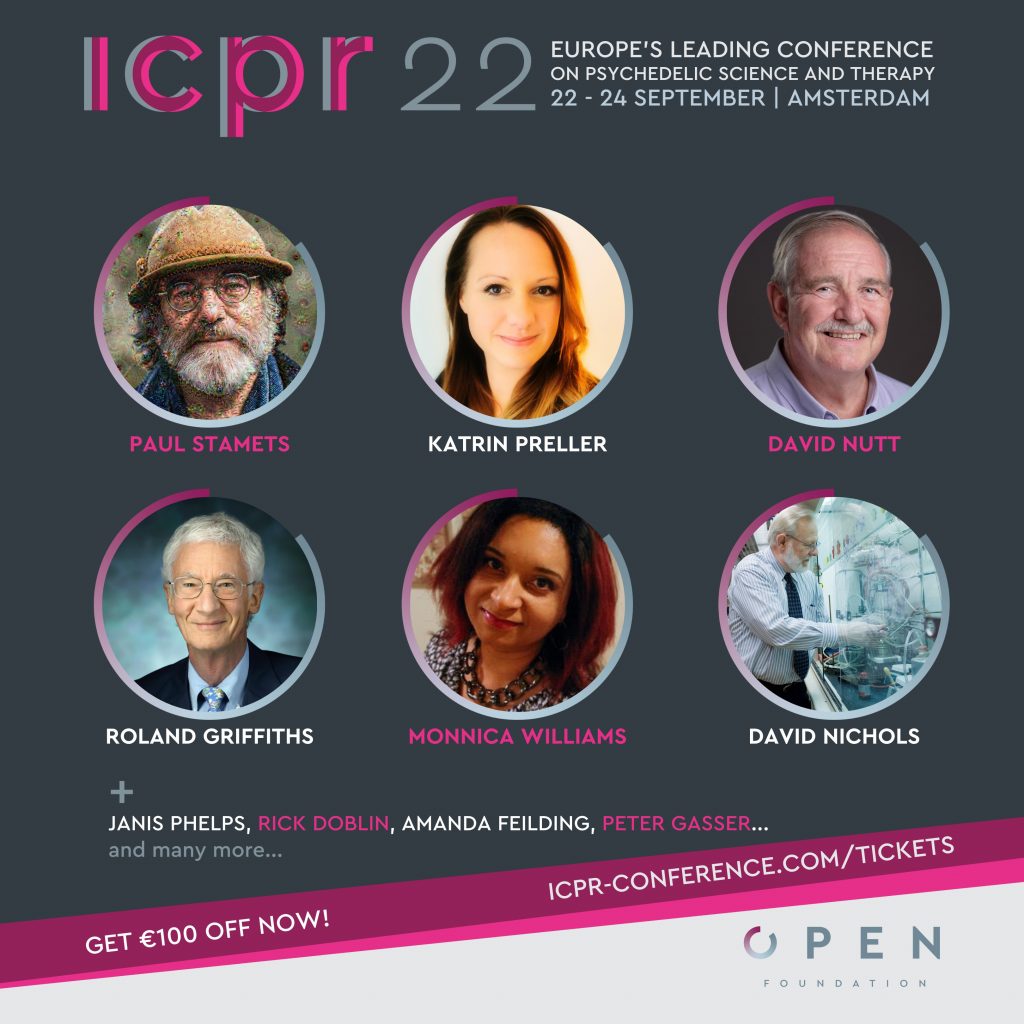
OPEN’s Executive Director, Joost Breeksema, joined David Drapkin on episode 340 of the podcast of Psychedelics Today – one of ICPR’s platinum partners. Joost and David discussed a wide variety of topics, from drug policies to ethics, the nature of reality and the latest details about ICPR.
Joost Breeksema is a psychiatry researcher as well as the executive director of OPEN since 2007. He’s a psychedelic enthusiast with a background in philosophy. He remarked on the importance of psychedelics in mental health treatments, which, as he describes “confront people with their own existence, with their place in the universe, with how they relate to themselves and to others.”
Joost believes in the importance of bringing together all the actors involved in order to be ready when these substances become legal, from researchers to health care insurance and policymakers.
ㅤ
Here’s a snippet from the podcast. You can listen to the entire episode from Psychedelics Today here
ㅤ
Caution
As advances in psychedelic research keep on growing, Joost asks for caution. There needs to be a balance between hype and hope, he says. There is still a long road ahead in order to get a “safe and sustainable psychedelic treatment”, as he put it. Joost points out that luckily, the Netherlands is one of the leading countries in relation to drug policies. Its decriminalization model has been working for decades and there are lots of efforts being put into harm reduction approaches. Nevertheless, there are important changes that need to be made in order to help the improvement of psychedelic research.
Joost comes from a background in philosophy, and although he has spent recent years closer to research and therapy about psychedelics, the metaphysical angle on the psychedelic world still interests him mostly. The “I” in ICPR stands for ‘interdisciplinary’, so Joost was glad to shine a light on his fondness for Bernardo Kastrup – who is a computer scientist and philosopher who will be one of the keynote speakers at the upcoming conference.
ㅤ
ICPR 2022 is almost here. Get your tickets before we sell out.
ㅤ
Bernardo Kastrup is one of the main proponents of metaphysical idealism and has a PhD in philosophy and computer science. He has explained reality as “best imagined as mathematical equitations floating in empty space” in one of the interviews he has given.
Joost is looking forward to his talks and the questions Kastrup poses: “How can we understand consciousness? How can we use psychedelics as tools to study consciousness? Can this tell us anything about ontology, the nature of reality or the nature of knowledge? I think this is one of the speakers that I’m looking most forward to seeing”.
ㅤ
Bernardo Kastrup is one of the speakers at ICPR Joost is most looking forward to
ㅤ
ICPR will be one of the places to discuss all these topics. This year’s conference will also have one extra day at the very beginning, September 21, dedicated to ethics and businesses. Professionals from different backgrounds will come together to share their different opinions. As more people find the psychedelic world appealing, David asked Joost about the importance of diversity and inclusion, sometimes easy to forget when money is involved.
After two years of the pandemic, and with the previous ICPR edition being online, Joost is thrilled for the upcoming conference and believes it is a great opportunity to learn, share and connect with different professionals and enthusiasts. He emphasized the different perspectives that will be covered, also outside of the medical world, like the arts, culture, and media and the separate workshops that are given around the conference.
There are many documentaries about psychedelics nowadays, but only so little time to watch them all, let alone figure out which one’s are worth it! That’s why we came up with a list of documentaries on psychedelics that you can watch, or binge, comfortably from your own living room. They’re selected for their scientific soundness, cultural insight, or overall high quality.
All of them are worthy study material before you join us at ICPR 2024 near Amsterdam – where some of the speakers are actually some of the people featured in these series and films. Their work is at the basis of this renaissance in psychedelic research and the new generation of documentaries that it has spawned. Enjoy our dose of inspiration.
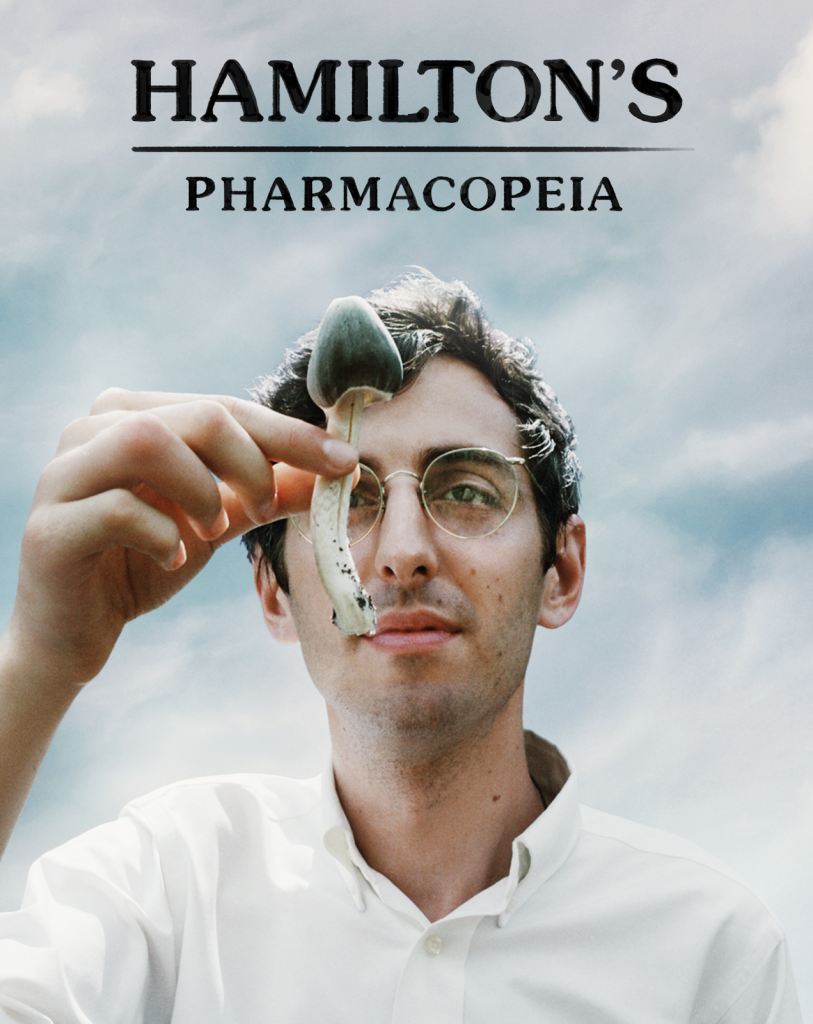
Hamilton’s PharmaCopeiaㅤ
If there is one documentary that hits all the marks when it comes to information about psychedelics, as well as other psychoactive drugs, while simultaneously delivering a high entertainment value, it is – without a doubt – Hamilton’s Pharmacopeia, of which there are now three seasons.
This documentary series is written, directed, and produced by Hamilton Morris, a journalist and scientific researcher who explores the history, chemistry, and social impact of various psychoactive substances across the globe.
Hamilton illustrates how ubiquitous psychedelic drugs are and goes out on a limb to try several of them himself – showcasing his dedication and genuine curiosity when it comes to studying the effects of these extraordinary substances. It is beyond the scope of this article to discuss the merits of every episode on its own, but we compiled a hit list of our favorite episodes shown at the end of this commentary. That’s right – more stuff to binge this coming summer! Just watching these will suffice for at least 8 hours of entertainment, where Hamilton Morris meets with underground chemists that illegally synthesized MDMA; travels to Huautla de Jimenez in Mexico to visit the family of the legendary curandera María Sabina’s to talk about psilocybin-containing mushrooms; smokes 5-MeO DMT in the Sonoran desert under supervision of a shaman; and talks with Amanda Feilding about how she helped to fund the very first neuro-imaging study of LSD. Be sure to absolutely check this series out!
Quote of the series
“It is so strange that these compounds exist. What is the purpose of any of this? 5-MeO-DMT? This? In a toad’s venom? And people may have only started using it 30 years ago? And it produces this peak experience of love? I can’t believe it! It is so amazing!” – Hamilton Morris
Our hitlist for best episodes:
Season 1
Episode 4 – Magic Mushrooms in Mexico
Episode 6 – The Lazy Lizard School of Hedonism
Season 2
Episode 1 – The Psychedelic Toad
Episode 2 – Peyote: The Divine Messenger
Episode 4 – Wizards of DMT
Episode 5 – Ketamine: Realms and Realities
Episode 6 – A Clandestine Chemist’s Tale
Season 3
Episode 1 – Synthetic Toad Venom Machine
Episode 4 – Synthetic Ibogaine: Natural Tramadol
Episode 6 – UItra LSD
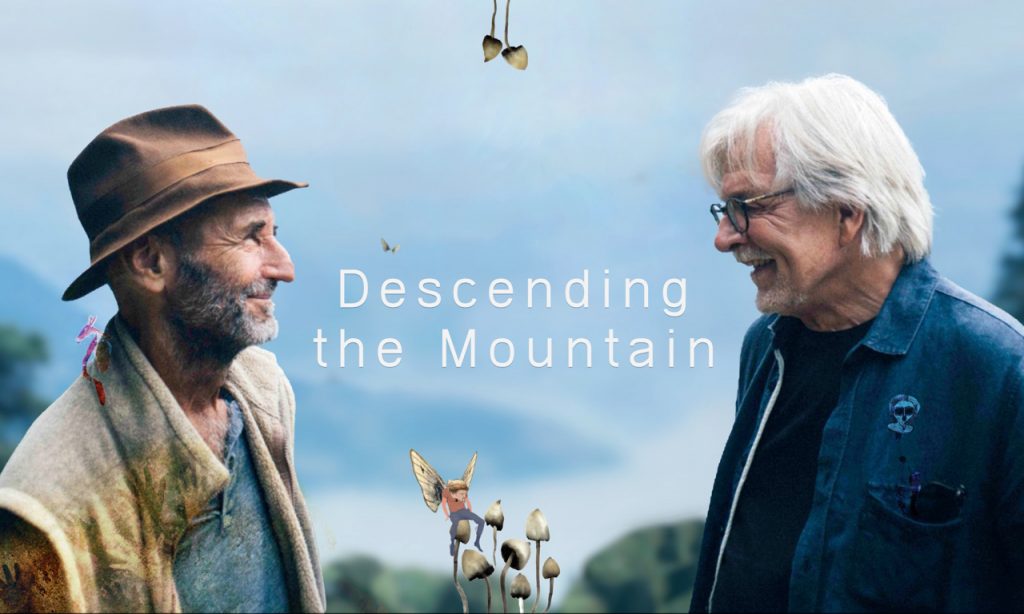
Descending the mountain (2021)
Filled with aesthetically pleasing images, jaw dropping cinematography, a great psychedelic soundtrack, and a pinch of neuroscience, Descending the Mountain excels at every front. The documentary includes renowned psychedelic researcher Prof. Dr. Franz Vollenweider and Zen master Vanja Palmers. Their mission? To set out to a monastery on top of mountain Rigi in Switzerland to conduct a novel experiment in which experienced meditators received psilocybin-containing mushrooms in a group setting for the first time in their life. This experiment was double-blind, where neither the researchers or the participants knew what dose they received. Some of the meditators received an active dose of psilocybin, whereas others were ‘unfortunate’ (in their words) and received a placebo. It is amazing, to say the least, how these experienced meditators were able to deepen their meditation due to psilocybin, even after thousands of hours of meditation practice. One individual was completely ecstatic from the beginning till the end and amazed by what he was experiencing. Others felt it to be a collective experience, rather than an individual one, as they were able to feel the energy in the room. Ultimately, placebo or no placebo, the group setting was conducive to the experience at the mountain.
Quote of the movie
“What can the mushrooms tell us today?” – Descending the Mountain
Halfway through the documentary, Prof. Dr. Vollenweider explains briefly how psychedelics work and that neuroscientific research of today has consistently demonstrated that they deactivate the Default Mode Network (DMN) – a key brain region involved in self-referential processing. With their experiment on Mount Rigi, they too found that the participants who received psilocybin were able to enter a deep(er) meditative state and showed less activity in the DMN when compared to the placebo group. Vollenweider explains how it: “makes you less focused on yourself because, in a way, you lose your ‘self’, and that this tends to make you focus more on others around you.” This dovetails neatly with the hypothesis that psychedelics are able to alter personality and political beliefs, something that the documentary explores briefly as well through asking significant questions as: “What can psychedelics do for society today? What will happen if great leaders take these substances and make us think about our place in the world?”
Michael Pollan’s How To Change Your Mind (2022)
Four years after the release of his book under the same name, Michael Pollan hit the big screen on Netflix with a documentary series: How to Change Your Mind. To say that his book had somewhat of an influence on the psychedelic renaissance is an understatement. Individuals even talk about a Pre-Pollan era and Post-Pollan era within psychedelic research. And now, with this new and cinematic tour du force, Pollan might continue to increase his reach by showcasing these tools to people all over the world sitting in their living room.
The documentary consists of a total of four episodes, each focusing on a specific psychedelic. The first episode focuses on the synthesis of LSD by Dr. Albert Hofmann in 1938, the research of its therapeutic use when treating alcoholism, and how it ultimately became a Schedule I substance – as it ended up on the streets through evangelist Timothy Leary and the CIA project MKUltra, that serendipitously turned on Ken Kesey. In the second episode, the viewer is brought to the world of psilocybin-containing mushrooms and features ICPR speakers William Richards, Paul Stamets, and Roland Griffiths. Here, Pollan discusses their historic use in religious settings, the introduction of the mushroom to the West, and how it is currently being researched for various debilitating psychiatric disorders, such as depression, end-of-life anxiety, obsessive compulsive disorder, and cluster headaches. The third episode features ICPR speaker Rick Doblin and is all about the therapeutic use of MDMA for the treatment of post-traumatic stress disorder. Pollan interviews Ann Shulgin, the wife of renowned chemist Alexander Shulgin, – who recently passed away – about her personal experiences with MDMA and how it ended up becoming illegal through the so-called “Second Summer of Love”’ during the 1980s. Finally, Pollan takes a deep dive into the ceremonial use of the peyote cactus by indigineous Americans that are part of the Native American Church.
The documentary provides a solid starting point for anyone who is new to the world of psychedelics and likes to be prepared for what we have to offer at ICPR. It presents some of the most recently conducted preliminary research studies and their implications. Contrary to contemporary media headlines, it is refreshing to see that Pollan remains centered throughout the entire documentary with regards to the therapeutic potential of psychedelics and messages to the audience to do the same. This is a welcoming message that is to be embraced if we do not wish to repeat past mistakes.
The Psychedelic Drug Trial (2021)
Major depressive disorder (MDD) is the leading cause of disability in the West, says ICPR speaker and Professor of Neuropsychopharmacology David Nutt. Across the globe, MDD is estimated to affect 350 million individuals and is responsible for more ‘years lost’ than any other psychiatric condition. Psychiatry has been desperate for novel treatments.
One of the current mainstays of treatment in psychiatry is escitalopram, a selective serotonin reuptake inhibitor (SSRI), better known under its brand name Lexapro. This psychotropic drug increases the amount of the neurotransmitter serotonin in the brain and has been proven by earlier clinical research to be effective and well tolerated in the treatment of MDD. But this begs the question: “How does escitalopram, or Lexapro, compare to psilocybin when used for treating depression?” This is what the research team in the Psychedelic Drug Trial set out to do.
Quote of the movie
“If psychedelics can change the world, let’s put it to the test.” – Dr. Robin Carhart-Harris
The documentary presents an extensive in-depth look into how the study was conducted by displaying easy-to-comprehend visuals and various infographics. The documentary really shines here and you immediately get a clear understanding of what the study design looked like. It also exemplifies how current psychedelic therapy operates and provides the three important stages involved, which includes: preparation before the dosing session, the psychedelic dosing session itself, and the integration that follows.
What is more, you get to know some of the recruited participants who were told that they are randomized to one of two conditions. They will either receive 1) psilocybin or 2) escitalopram, not both. Almost all of the participants have been on antidepressants for decades and suffer from various side effects, including weight gain, sleep paralysis, and a flat affect. The psilocybin trial represents a “lifeline” according to some of the participants – a viable alternative to their current situation of “concentrating on staying alive” and trying “to live with this joylessness.” One participant is at the end of her ropes and tells the camera: “I would probably end my life if I didn’t go [through the trial].”
Soon after this introduction, we are taken into a living room like environment where the psychedelic therapy session took place. Participants at this point are talking about their extraordinary experiences and the various symbols they encountered during their psychedelic dosing session. The documentary really excels here due to its slow presentation of recorded monologues and by displaying aesthetic visuals that are aimed at encapsulating the participants’ experience while on psilocybin. One participant talks about one of her peak experiences where she found herself at the roots of a tree and: “was connecting with everything up there. The thing I really felt most … was a joy. Joy like I’d never experienced. It is really, really powerful stuff.”
The documentary would not have been complete without a brief presentation by ICPR speaker David Nutt on how psychedelics such as psilocybin work in the brain and how they differ from escitalopram. Nutt first explains that antidepressants as escitalopram take about an average of six weeks to work and do so primarily in the limbic system, the emotional center of the brain that is overactive in depression: “It dampens the system and you become incubated against stress, which is good, but you also become incubated by everything else.” Psilocybin, on the other hand, works differently by targeting the serotonin 2A receptor, which are widely prevalent in the neocortex. Psilocybin also works through the disruption of the Default Mode Network that Franz Vollenweider similarly talked about in Descending the Mountain. Both professor Nutt and lead researcher of the study Dr. Robin Carhart-Harris believe that psilocybin works better and faster than escitalopram.
The results of this landmark study have been published in the highly esteemed The New England Journal of Medicine. Their conclusion? Both psilocybin and escitalopram work in the treatment of depression. But when taking into account secondary outcome measurements such as suicidality, psilocybin looks better than escitalopram. More recent neuroscientific findings of the current study have been published as well, which looked at how psilocybin affects the brain and how it differs from antidepressants. All in all, more research is needed as we venture forth in our pursuit to help people alleviate their depressive symptoms.
In the upcoming ICPR 2024, leading experts and cutting-edge research around the use of psilocybin for therapy will be presented.
Journeys to the Edge of Consciousness (2019)
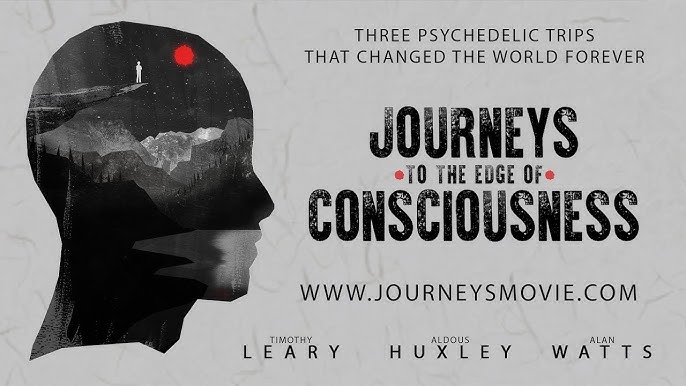
Journeys to the Edge of Consciousness is a unique animated film that chronicles the very first psychedelic experiences of Timothy Leary, Aldous Huxley, and Alan Watts. The film is interspersed with commentaries on these historical and influential events by ICPR speakers Rick Doblin and Amanda Feilding, and various other researchers within the psychedelic field.
The Dropout Drug
We first witness how Timothy Leary got involved with LSD through meeting Michael Hollingshead, a British researcher who studied psychedelics at Harvard University in the mid twentieth century. Leary’s first LSD trip was: “the most extraordinary experience of his life.” Yet to my surprise, he also felt a terrible sense of loss after this trip, as he did not know what to do with these new insights: “Once you see how it is all composed, it is hard to get back to the game.” This experience demonstrates that even psychedelic evangelists as Leary, a very intelligent man who was probably one of the most well-known proponents of psychedelics, would have benefitted from the importance of integration. The world would have been a very different place indeed if Leary underwent this integral part following psychedelic use. Instead, he decided to leave the highly esteemed university of Harvard and famously told students to: “tune in, turn off, and drop out.” This resulted in the then U.S. president Richard Nixon to call him the most dangerous man of America.
Commentaries from other experts on Leary’s psychedelic experience are very informative. They exemplify how psychedelics are able to lift the veil of ordinary reality, which can either facilitate, or in the case of Leary, diminish our well-being, because we see through the illusion, i.e., the play of life. You’re catapulted out of your ego and you can spend years of life making sense of it all, which might have happened to Timothy Leary according to Dr. Tim Read. Yet, Dr .Gabor Maté states that bad trips can also be interpreted differently: “Yes, a trip can be challenging, but what you need is proper integration. This is the work of healing. The psychedelic experience and its healing properties were lost during the 60s because there was a lack of intention.
The Doors of Perception
Next we get a close look at Aldous Huxley’s famous psychedelic experience with mescaline that led him to write his famous work The Doors of Perception: and Heaven and Hell. During his experience, he realizes that “this is how one ought to see” and that the ordinary mode of consciousness is but one form of consciousness. Huxley talks about the suchness of things while on mescaline and develops his metaphor of the reducing valve of the mind, which limits our view of reality and who we really are.
According to ICPR speaker Rick Doblin, Huxley’s insights demonstrate where we should put our meaning: “not on consuming, but on something deeper.” Other psychedelic researchers talk about how people ‘wake up’ after their psychedelic experience, including alterations of the perception of the self and various changes in their value system.
The Joyous Cosmology
Finally, we witness Alan Watts taking modest amounts of LSD while in California and who decided to casually go for a stroll. His first undertaking was to listen to a priest in a church during a mass. He witnesses how people are putting on an “act of a person”, which is one of the key phrases of Alan Watts. His feeling of self became no longer confined to the insides of his skin as he felt connected to everything: “my individual of being seems to grow out to the rest of the universe.” The animated re-enactment of Alan Watts’ psychedelic experience gives us a glimpse into how psychedelics helped shape his philosophy.
Quote of the movie
“Come off it shiva, you rascal, who do you think you’re kidding!? It’s a great act, but you’re not fooling me!” – Alan Watts
Neurons to Nirvana (2013)
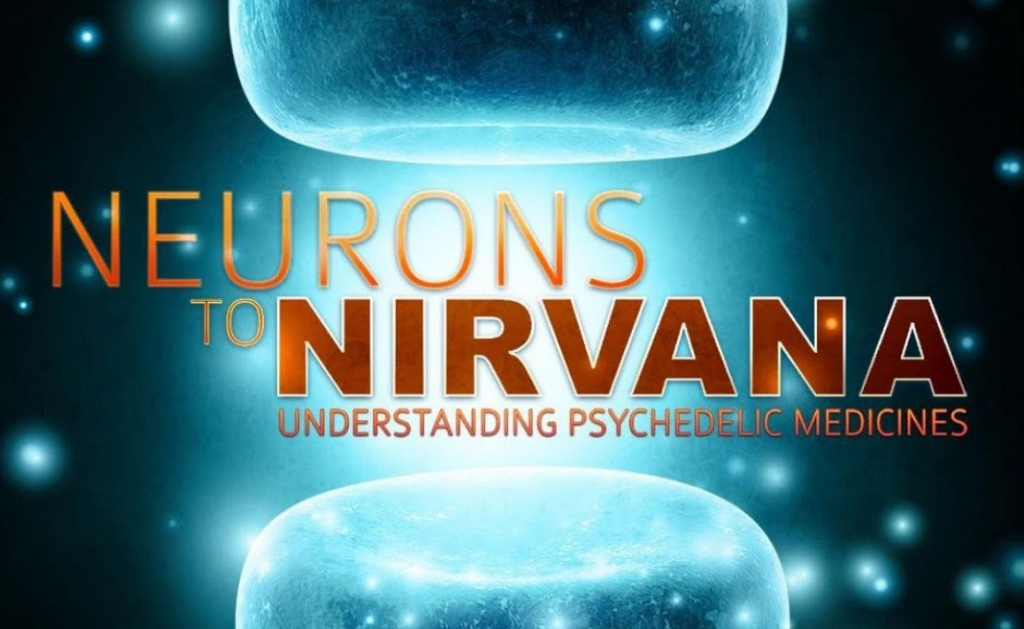
Neurons to Nirvana is filled with numerous psychedelic researchers who will be attending ICPR, including Rick Doblin, William Richards, David Nutt, Roland Griffiths, and Amanda Feilding. The film gives a brief overview of classic psychedelics, including psilocybin, ayahuasca, and LSD. In addition, the entactogen MDMA is briefly discussed plus the medicinal benefits of other (non-)psychoactive substances as marijuana and cannabidiol.
The film starts with the serendipitous event of how psychedelics helped shape modern psychiatry and neuroscience. LSD, as it turns out, has a very similar structure to serotonin that led to the discovery of the serotonin neurotransmitter system. As a result, psychiatry started including brain chemistry into the disease process, whereas before all the accountability went to either the individual or the environment.
It was a revolutionary period for which the famous psychedelic researcher Ralph Metzner said that discovering psychedelics: “was like discovering another continent, like Marco Polo.” Both ICPR speakers Rick Doblin and David Nichols mention how psychedelics are able to occasion a mystical experience and how this helps experience the world as one as it breaks down certain barriers. Roland Griffiths adds: “there is this quantum change during a psychedelic experience – it belongs among the most spiritual and personal meaningful experiences of peoples’ lives.”
Quote of the movie
“What is being purged actually, is psychological contents that you’ve been holding onto. You’re purging anger, you’re purging pain, you’re purging some false story about the self.” –Gabor Maté M.D.
A great feature of the film that is worth mentioning here is that it shows the capability of human individuals being able to change their beliefs when it comes to esoteric substances such as psychedelic drugs. This is illustrated when Dr. Sanjay Gupta appears on the big screen, an Emmy award-winning doctor for his show on CNN who used to vehemently oppose the use of marijuana. This was until the year 2009, as the scientific evidence started accumulating and Dr. Gupta discovered that it was used for thousands of years. He also found out that before there was a strong focus on the negative. Most importantly, Dr. Sanjay Gupta was illuminated by the benefits of marijuana: “the science is there!”. This clearly demonstrates how scientific evidence can pave the way for reconstructing our beliefs about psychedelics. Hopefully, other physicians, researchers, and politicians will follow suit.
Check out the speaker list to discover which experts might be speaking about the latest advancements in MDMA, LSD, and Psilocybin research!
The Last Shaman (2016)
The Last Shaman follows young adult James who is battling with crippling bouts of depression ever since he went to university. He is desperate for a way out as he tried doing everything according to the book on both a medical and personal level. In general, this involved seeing several psychiatrists, taking antidepressants, and picking up a regular meditation practice. Despite his arduous efforts, he remains depressed. At the end of his ropes, he travels to Peru to meet several shamans that might be able to help him.
The documentary is not for the faint of heart and can be very shocking in demonstrating how debilitating depression can be. James suffers from extreme anhedonia, which refers to the inability to feel pleasure: “I see a beautiful woman or a sunset and I feel nothing.” He explains how his depression affects him in front of the camera and this raw footage makes the documentary feel very personal, but also heart-wrenching to watch at times, as his eyes are filled with tears and his voice is featured by a tremendous amount of frustration and despair. He ends up meeting various shamans in different regions and engages in multiple ceremonies to finally reach salvation.
James’ journey ends deep within the forest at the Shipibo community – a place that resembles just the right amount of authenticity he is looking for. Shamans here do the practice because it is a calling, whereas the business side of things are left aside. James ventures deeper into his emotions, revealing one layer from another layer, and becomes a passionate ascetic. He maintains a very strict diet and stays in isolation for a total of four months, eating nothing but fish and rice and smoking the Mapacho tobacco. This experience ripped him of all attachments of his previous life. He believes he: “no longer has an inferiority complex anymore” and feels no more anger towards his father.
Quote of the movie
“I’m here to be a very small part of something much larger than myself, and that is extremely liberating” – James
Iboga Nights (2014)
David Graham, the director and producer of the renowned and brutal documentary Detox or Die, returns to the big screen with Iboga Nights. His first documentary consists of his mission to cure himself of his opiate addiction through ibogaine – a psychedelic substance with dissociative properties that is extracted from the root bark of the iboga tree (Tabernanthe iboga). His film became a resounding success that resulted in an explosion of media, press and news articles. This inspired other addicts to follow in his footsteps by taking up ibogaine and get rid of their opiate addiction once and for all. Iboga Nights follows several of David’s ‘apprentices’.
Iboga Nights is basically split up in three sections. The first is where we are introduced to a shaman from the Netherlands who has treated an approximate of 1,000 patients with ibogaine for their opiate addiction. To my surprise, there was almost no guidance involved; the shaman plainly administers the drug and then lets ibogaine take its course while the participants stay in their assigned bedroom. It was quite astounding to see how most turned out fine and even managed to go through the treatment without experiencing any withdrawal symptoms. However, the documentary quickly takes a dark turn that illustrates the significance of taking into account proper screening and guidance. For instance, one participant stopped breathing due to an underlying heart condition and was taken away to the hospital. Ibogaine is known for slowing down the heart rate that might be fatal. Fortunately, he survived. But another participant left the house and was hit by a truck. David wanted to end the film right there: “how can I be a spokesperson for something so dangerous?”
After these horrific events, David meets up with Dr. Ben Sessa and Dr. Jeffrey Kamlet to talk about psychedelic research and ibogaine. Both share a pessimistic view with regards to pharmaceutical companies and how they supposedly “treat” patients, as they make billions of dollars on pain pills that generally require daily use. Naturally, they scoff at this predicament: “Why do they want ibogaine that requires one dose to cure people. That does not make money?”
Quote of the movie
“Does it not feel weird to have had that life, among such affluence, and now be living in a hotel shooting up crack and heroin and taking up methadone?” – David Graham
Fortunately, the documentary also contains the amazing journey of Sid who was severely addicted to morphine and completely transformed through his ibogaine treatment. He was sexually abused by an older man when he was only 11 years old. During his session, both David and Sid are serious by taking screening and guidance into account. For example, they check if Sid is allergic to ibogaine and during the ibogaine treatment will frequently measure his heart rate and blood pressure. It is astounding to see that even after fivedays of taking ibogaine and no morphine at all, any symptoms of withdrawal are virtually non-existent. But Sid knows that the real treatment starts after ibogaine, which requires integration and (simply) staying off the drug. Several months later David returns to visit Sid and witnesses another person in front of him. He has become a completely transformed person and has much more energy and life in his eyes. Sid talks briefly about his ibogaine experience: “I did not have many visions or anything, but it took my physical dependence away.” The urge, or craving to use drugs, is totally gone. Sid simply does not: “want to do that anymore.”
From Shock to Awe (2018)
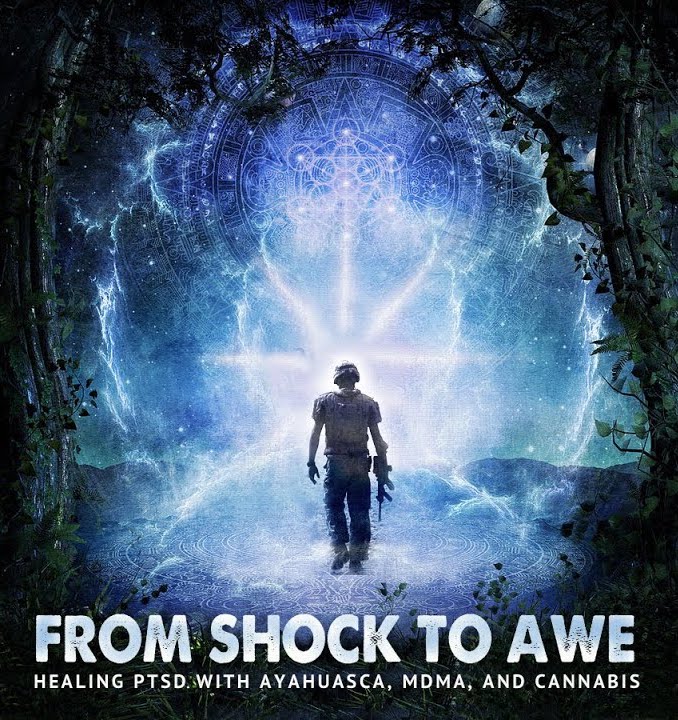
The documentary From Shock to Awe chronicles the transformative journey of two military veterans that suffer from severe post-traumatic stress disorder (PTSD). Because of this, everything they encounter on a day-to-day basis within their natural environment signals danger. With their bodies still in war and drugged by an arsenal of pharmaceuticals, they turn to the Amazonian brew ayahuasca as a last resort.
Quote of the movie
“I left the warrior behind and let the sunlight take the steering wheel now.”
Both veterans are filmed during their ayahuasca retreat that consisted of four ceremonies, two during the day and two at night. During all dosing sessions, we see grueling raw footage of both veterans struggling with their deep-rooted trauma. The entire retreat resembles the archetypal hero’s journey of diving into the unconscious and coming back into the real world reborn. Through ayahuasca, they realized that all life is sacred, which is: “the exact opposite of what is learned during military training.” Their perception of everyday ‘signals as danger’ changed after only one weekend, as they heard a gunshot in the woods, locked eyes, and started laughing immediately. The PTSD response was no more.
Until recently, there was no advocacy or central voice for the participants in clinical trials involving psychedelics. Now, there is PsyPAN, a non-profit organisation set up to connect and empower psychedelic participants. Founders Ian Roullier and Leonie Schneider both participated in such trials. Ian took part in the psilocybin for depression trials at Imperial College (2015) and Compass Pathways (2019). Leonie took part in the second phase of the psilocybin for depression study at Imperial College (2019) and the DMT for depression trial at Small Pharma (2022). They were later invited to take part in Dr. Rosalind Watts’ one-year integration programme, where they met.
Towards the end of the programme, Leonie and Ian discovered they had a shared interest – both in advocating for the spread of psychedelic treatment for mental health as well as having the patients’ perspective duly represented. No organisation representing the patient’s viewpoints existed, while the number of participants in psychedelic trials is increasing by the day. And as the standards for these novel treatments are now being developed, both felt that the voice of the patient needed to be heard louder.
So, in 2021, Leonie and Ian founded the Psychedelic Participant Advocacy Network: PsyPAN. It’s a non-profit organisation set up to connect and empower all psychedelic participants. PsyPAN aims to give a collective voice to all participants and help improve participant safety and wellbeing, by working on developing best practices across all levels of the global psychedelic sector – clinical and non-clinical alike.
As the psychedelic sector is expanding at a breathtaking pace, companies, clinicians and modern-day curanderos alike have a lot to learn from the persons seeking their help. We talked to Leonie and Ian for this interview.
Leonie and Ian will also be speaking at ICPR 2022, the psychedelic conference organised by the OPEN Foundation, which has been promoting psychedelic research and therapy since 2007.
What motivated you to set up PsyPAN? Ian: We both participated in clinical trials designed to test the effects of psilocybin and DMT on depression. Our wildly varied, but generally positive personal experiences triggered a wish to bring these treatments to more people and at the same time ensure the treatments are delivered safely and responsibly.
Leonie: We want to ensure the ‘participant’s voice’ is taken into account when clinical trials are designed, so that the trials can be tailored to meet the wide range of experiences. Despite some unifying themes across the psychedelic experience,, it is such a personal process, and deep trauma and psychological issues can present in so many different ways. We want to provide a feedback loop: taking what participants say, giving that to industry, and having industry respond to what participants require in this process. So that we can ensure these treatments are tailored and take nuances and details into account.
Ian: Next to the ‘participants’ voice’ we keenly engage in advocacy work, destigmatizing the image of psychedelics, dispelling misunderstandings and fear. We are keen to ensure that more people can benefit from these treatments in a safe and appropriate way.
ㅤ
Ian Roullier and Leonie Schneider recently launched the Psychedelic Participant Advocacy Network – PsyPAN. With their new organisation, they want to represent the voice of the participants of psychedelic trials. In this video, we go over some of the highlights of our conversation.
ㅤ
Is psychedelic therapy especially prone to safety risks? Ian: Yes, psychedelic therapy is more risky than, for example, giving someone an SSRI. Psychedelic substances lay you bare and much more vulnerable, you can’t just get up and go back to work as if nothing happened. It is also their strength; but therein also lies the potential for healing.
Leonie: Safety is therefore key, so developing psychedelic safeguarding guidelines is where we can help organisations.
Where do you see your contribution to the rapidly developing market of psychedelic therapy? Ian: We work with organisations to ensure that they have the finer details in place, and we hope to develop a model of best practice that organisations could follow.
Leonie: Sometimes there are issues organisations simply haven’t thought of because those involved haven’t suffered from the issues that people with a clinical diagnosis have gone through, nor have they taken part in clinical trials, so our feedback is valuable. We aim to help ensure that trials or treatments are delivered safely and appropriately, because the more corners cut, the less effective the treatment will be.
What have you learned so far in the process that you were not expecting? Ian: We found out that simply connecting people who have been through similar experiences is in itself of vital importance.
Leonie: Yeah. There is no community, or a place where you can go, to land after your experience. So it can be incredibly isolating. If you’ve been through a profound experience but can’t speak to anyone about it, you may still feel as isolated as you did pre-treatment, only in a different way. The circle of family and friends you go back to can’t necessarily understand what you have been through. We learned that there is a lot of value in simply creating a peer community for support.
If there was one thing you as participants in clinical trials would like to draw attention to, what would it be? Ian : Open-label trials, in other words making sure that all participants who go through the process have access to a treatment dose. Contributing to science is wonderful, but if you’re so desperate as to be willing to participate in a clinical trial of a new substance, you really are in need of relief. To go through the process and only have a placebo is quite heartbreaking and potentially re-traumatising. To have access to the full treatment dose could therefore be life-saving for some.
Leonie: Integration. Both of us participated in Rosalind Watts’ “Connectedness” program at Synthesis Institute which was the precursor to Dr Watts’ ACER Integration Programme, which was hugely beneficial. It connected us in monthly group meetings and group work (two groups of 10 participants each) for one full year. The psychedelics are catalysts, they likely allow more progress to be made during the integration. But this kind of deep, long-term integration and connection work has been hugely beneficial.
Tell me more about Integration Leonie: Having a space in which to integrate these experiences brought about by psychedelics is incredibly important, whether one-on-one or in a group, especially if the person has had long-term mental health issues. There is a need for longer-term and deeper level integration, not just a courtesy call of ‘how are you’. It’s about witnessing and supporting people every step of the journey.
As mentioned, we both participated in Rosalind Watts’ 1-year long “Connectedness” program. Due to Covid-19, the whole program was delivered online, which wasn’t the plan at all! And still it was so valuable. It kept many of us afloat, especially considering the pandemic. As long as there is a safe container, an online program can genuinely work.
The sweet spot could be to have online content enhanced with in-person meetings, hopefully in smaller, local groups (as treatments become more common) and outdoors, which allows for engagement with Nature.
What part did the connection with Nature play in your healing process? Leonie: Reconnecting with Nature and with every living thing is very powerful. For example, watching the same tree go through its year-long cycle, especially during the dark, deathly-looking winter months, realising this period is part of a longer cycle, realizing there is still a lot happening under the surface even if above ground the tree looks barren – this was all very meaningful.
Most of mental illness is exacerbated by trying to avoid feelings as opposed to accepting them. When you learn to see low moods as “this is my Wintering, and Spring will come”, it creates a meaningful marker, a reference point.
What should organisations emphasise as the most important factors for a patient to consider before deciding to join a clinical psychedelic study? Leonie: Organisations running clinical trials must make potential participants aware that the ‘trip day’ is just a catalyst. You’re in the process for the long run and there will be plenty of long-term, steady work that only starts after the day at the clinic. The importance of long-term integration and connection after the ‘trip day’ cannot and should not be underestimated.
Ian: Expectations should also be carefully managed regarding the chances of getting into the trial. Many people aren’t accepted. Furthermore, organisations would do well to question the kind of support networks potential candidates have in place, because a lot of support is needed right from the recruitment and screening stages. What further support is available during and after the treatment? Is there a community and family in place that can hold your experience, so you do not end up in crushing isolation, which might negate any benefit you could get from the treatment?
Organisations engaging in double-blind trials should also make it very clear that participants have a 50-50 chance of getting a placebo, which may result in disappointment. In the case of depression, you need to come off the anti-depressant medication, which makes you more vulnerable. You hope for an improvement but may end up with a placebo, with all the disappointment and anxiety this may cause. You may potentially end up in a worse position than you were before entering the trial.
To what extent if any does treatment with different psychedelic substances require different guidelines? Leonie: It is certainly important to bear in mind what medicine you’re working with and then tailor the guidelines appropriately since the experiences vary in intensity, the type of in-session interaction and the kind of post-treatment support required depending on the medicine used. Furthermore, the theme of the session matters, too. As an example, if sexual issues are likely to arise, two therapists present and a recording of the sessions may provide more accountability.
How could the current positive hype around psychedelics impact patients and therapists? Ian: There’s a risk in the current media hype for psychedelic therapy to be seen as a ‘one dose and you’re fixed forever’ treatment. It sets expectations too high, and, in the absence of legal treatments, people may opt to try the psychedelics themselves without appropriate support.
Psychedelics are catalysts, not cures. In reality, when it comes to mental health a lot of the healing work happens afterwards. It’s a long process that involves a lot of integration and support going forward. The focus should be more on the psychotherapy, not completely on the psychedelic aspect of the process. If this point isn’t made clear, the risk is that the treatments will be seen as ineffective, which would be a shame as there is huge potential in psychedelics.
How do participants’ opinions get heard through you? Leonie: Participants who have been through the clinical trial setting are the ones most interested in our work, We raise awareness within organisations who run such trials and invite participants informally to join our efforts. Going forward, we want references to PsyPAN to be built into the treatment protocol so that participants can be seamly signposted to us and welcomes to participate if they choose to.
Speaking at ICPR and other events where participants are present is another way of creating awareness of our work. We also help organisations put together a working or focus group, so participants can share their experiences and have a say in the way trial protocols are designed.
Ian: As far as we know, there’s nobody doing exactly what we’re doing. If there are other such groups or networks, we will be delighted to connect with them and support each other. We’re all doing it for the greater good of people who are struggling with mental health conditions.
How do you view depression, as you were both treated for it. Leonie: Depression is a disease of disconnection. In society we are disconnected in so many ways. Depression alerts us to a deep need to slow down, take deep rest and to reconnect: to Nature, to ourselves, to our feelings – all of them, including the painful ones.
Ian: We live in a world where we’re atomized and isolated, and the pandemic only exacerbated that. We are raised to dismiss a large part of our emotional range as human beings. We try to deny the more challenging parts of ourselves and our histories.
Leonie: Antidepressants are a powerful intervention when you are in an acute, overwhelming crisis. But they should be seen as a short-term, symptom management intervention. They should not be viewed as something that is taken indefinitely, as if depression was a terminal disease that you had to learn to live with, as they don’t just numb you to the negative emotions; they limit and numb you in many other ways, too. If you don’t deal with the underlying causes of your depression, the issues come up in a different way at a different time.
Ian: Psychedelics work in the completely opposite way: they enable you to connect with your full range of emotions and learn to be comfortable with your fuller self. Psychedelics help you dig down to the roots of your depression and work out new ways to deal with difficult feelings within a natural container that is larger than just yourself.
You mentioned several spiritual themes: connection to Nature, connection to something that is larger than us, the Cycle of Life. How does that sit with the current clinical, medical training? Leonie: No participant or clinician starts the trial thinking clinically-diagnosed patients need more trees in their life… We must be careful not to be too reductionist – depression is not solely a function of neurochemistry. There needs to be some space for mystery, too.
Ian: Psychedelics can engender deeply profound spiritual experiences, which can manifest in different ways; we must not be prescriptive as to the nature of the spiritual experience to be expected. Yet organisations who run the studies must be aware that these experiences do happen.
Leonie: The concept of connectedness is a good place to start. Everyone can understand how being better connected to ourselves, each other and Nature is beneficial to all. It is definitely a point to bring to the discussion, otherwise we will be selling the psychedelic treatment short.
Ann Shulgin, the wife of renowned chemist genius Alexander “Sasha” Shulgin, passed away at age 91 on July 9. Both were extraordinary human beings and pioneers in the field of psychedelic research, particularly due to their significant contribution in the development and therapeutic use of (novel) psychedelic compounds. To honor both, we gladly share some of her history and both their legacy.
ㅤ
Laura Ann Gotlieb was born in Wellington, New Zealand on March 22, 1931, and shortly thereafter lived an extraordinary life, spending her time in various places around the world, including Italy, Cuba, Canada, and finally the Bay Area in the US when the Beatnik generation was in full swing. She got married, and divorced, three times and then met her fourth husband, Sasha Shulgin, in the Fall of 1978. After three years of spending time together, they got married in Sasha’s backyard during a surprise ceremony by an official of the Drug Enforcement Administration. Yes, the DEA.
ㅤ
Ann used to work as a medical transcriber in San Francisco and probably became familiar with Jungian psychology through her third husband who was a Jungian psychiatrist. It was only later after marrying Sasha that she got involved in the development of novel psychedelic compounds. During this period, she started practicing psychedelic-assisted therapy in conjunction with MDMA or 2C-B at a time when these substances were still legal. She became a strong adherent of Jungian psychoanalysis and believed that psychedelics have huge potential for self-actualization when used within such a framework.
ㅤ
The development and various discoveries of other psychedelics together led to the authoring of two books: PIHKAL: A Chemical Love Story and TIHKAL: The Continuation. Respectively, these titles are acronyms for “Phenethylamines/Tryptamines I Have Known and Loved.” Partly fictional autobiography and partly considered “pretty much cookbooks on how to make illegal drugs” by the DEA, both Ann and Sasha were filled with passion and courage to describe no more than over 179 different psychedelic compounds – all with the main goal of releasing information about psychedelic compounds and its therapeutic properties to the public. Psychedelics, they both believed, were there as valuable tools for human beings to explore and self-actualize. Ann briefly appears on a recent episode of Hamilton’s pharmacopeia,where we see that she continued to live in the house that contains the original lab of Sasha.
ㅤ
We are forever grateful for their contribution to the development and therapeutic use of (novel) psychedelic compounds and aim to continue their legacy.
Joost Breeksema is the director of the OPEN Foundation and one of the main initiators of the Interdisciplinary Conference on Psychedelic Research. ICPR 2022 will be held in Haarlem from 23-27 Sept
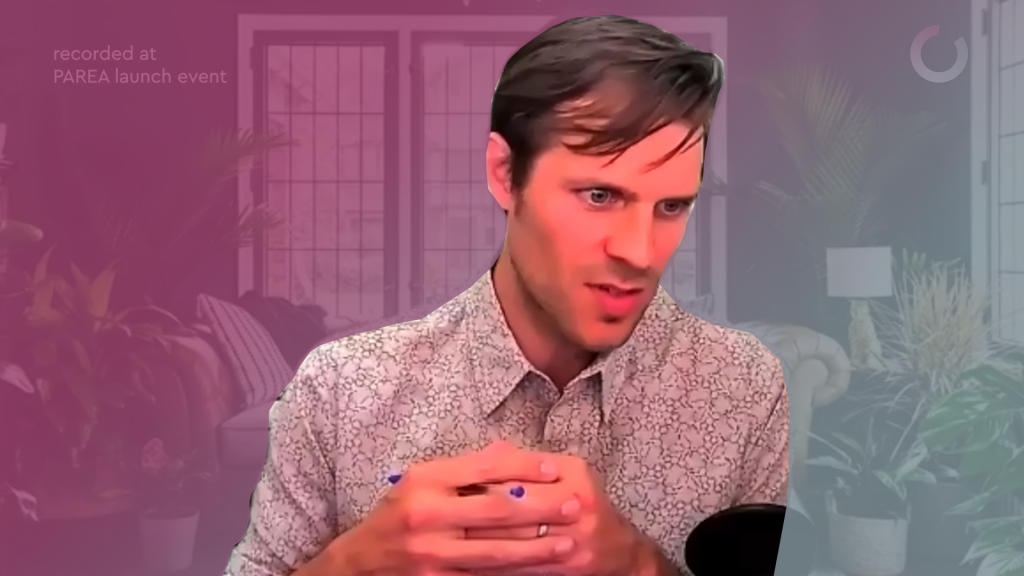
As the director of the OPEN Foundation – founded in 2006 to advance the scientific research of psychedelics – Joost Breeksema has usually found himself being one of the main promotors of psychiatric research into psychedelics and therapies. That has changed, he says: “I find myself in a position of being somebody promoting more caution”.
“I think I still think that psychedelics have huge potential,” Breeksema says, “but I think it’s good to counterbalance this message a little bit and to have a proper balance between hype and hope.”
The OPEN director made his statement during the launch of PAREA, the Psychedelic Access And Research European Alliance, an association of European foundations and institutions advancing holistic and professional psychedelic research and therapy.
Breeksema commented in light of the recent psychedelic renaissance, which has brought renewed attention to the psychedelic field. Strong research results have shown the real efficacy of psychedelic therapy, but this has also spawned a world in which investment is luring, and potential risks of psychedelic therapy might be obscured.
ㅤ
ㅤ
What the right balance is between hope and hype around psychedelic therapy, needs to be discussed, Breeksema says, because the need is dire: “There are many desperate patients out there. Between a quarter and a third of patients with mental disorders do not respond to conventional treatments. So there is a huge need for better and more effective treatments. But it’s also, I think, very important to remember that these are not magic bullets and there are interests.”
ㅤ
Professional field
ㅤ
The mix of patients with severe traumas and big expectations, the potential intenseness of the psychedelic experience, and the history of a black market involvement in the supply of many substances, make the need for safe, professional treatment a necessity: “When you ask patients… it’s hard work. People have challenging experiences, and these are vulnerable patients for the most part. These experiences can be powerful but also potentially destabilizing.”
“These are not typical pharmaceutical drugs: It’s the experience that’s central, and that means people guiding patients through those experiences need to be properly trained. You need to be a mental health professional, but you do also need additional training.”
“We told people that it was in the name of the Holy Spirit, the Father and the Son, but in reality it is in the name of the Sun, the Moon and the Tiger…”
ㅤ
While the potential benefits of psychedelic plant medicines to society still remain largely unrealised, contemporary psychedelic studies risk replicating harmful colonial practices within the territories and communities in which the use of psychedelic plants originate.
After decades of prohibition, the so-called “psychedelic renaissance” is undertaking a state-of-the-art exploration of the psychology, neurology and medical approaches associated with the effects and benefits of psychedelics. The field runs the risk, however, of privileging the voices of mainstream western male researchers over those of the indigenous practitioners whose ancestral knowledge of psychedelics roots back to their origins (George et al, 2020).
A decolonial approach is essential to the success of the current psychedelic renaissance, as failing to recognize indigenous perspectives as equally valuable to the discussion in the appropriate use of these substances only contributes to deepening the colonial wound within which usage of the plants is interwoven. As academia reconsiders previously taboo subjects (such as mind-altering substances), it has the duty to reconsider also the re-enactment of colonial epistemicide (the killing off of existing systems of knowledge), and give indigenous expertise the space it deserves in scientific research.
The very old relationship between humanity and the ritual alteration of consciousness is, in indigenous communities, deeply linked to systems of traditional medicine. Nevertheless, in the West, practices associated with mind-altering substances have faced decades of strong political opposition and, as the renaissance unfolds, there are other, more subtle threats being held at bay, specifically the peril inherent in silencing other voices because of their culturally diverse backgrounds.
ㅤ
In the upcoming ICPR 2024, leading experts and cutting-edge research around Ayahuasca will be presented.
ㅤ
Ayahuasca’s history and its critical entanglement with colonization:
ㅤ
Ayahuasca, or yagé, is a traditional brew from the Amazon rainforest that contains the classic psychedelic compound DMT. It has a long history of use by indigenous peoples in the Amazon basin, where it is mainly used for ritual and healing purposes, usually in ceremonial settings led by a shaman or curandero.
Ayahuasca is a particularly complex substance that relies on two intersecting components to deliver its psychedelic effects. Psychotria viridis, or chacruna, is a shrub, the leaves of which contain the DMT. Banisteriopsis caapi is a vine that contains monoamine oxidase (MAO) inhibitors, which prevent MAO enzymes in the stomach from breaking down the DMT as they’d normally do, thus allowing the body to actively absorb it when it is consumed orally. Taking into account the improbability of discovering the function of this particular combination of a shrub and a vine amongst the the tens of thousands of different plant species in the Amazon, along with the preparatory process needed to coax out its psychoactive properties, ayahuasca can be considered an invention, a piece of technology developed by the Amazonian people.
The indigenous people of the Amazon relate to their surrounding environment in a way that lends itself to developing a great body of ethnobotanical knowledge. Much of the knowledge that has been produced by indigenous people has, however, been the subject of appropriation and biopiracy, as the history of the rainforest cannot be grasped separately from the history of the colonization of the Americas.
One can go back to Western explorers and botanists to trace historically how ayahuasca came to be known outside the jungle, Richard Spruce and Richard Evans Schultes, for instance, were some of the first outsiders to report on indigenous plant medicines. But, by telling and re-telling the story in such a way, a colonial version of history is reinforced where indigenous peoples and their knowledge are passively discovered by Western institutions, their own contribution, skill, and subjectivity neglected, minimized, or reduced to naturalistic fact.
The history of the Amazon has been shaped by the way that the Western European imagination has interacted with this territory: from the mythic quests to find rivers of gold in the 16th century as the Spanish conquistadors mapped the Amazon river in the search for El Dorado, to the rubber barons of the 20th century who exploited and enslaved hundreds of thousands of indigenous people as they strove to realize enormous profits. The Amazon is a territory that has been perceived as a well of treasures to be extracted and appropriated.
Today’s deforestation crisis, related to the extraction of precious timber and the clearing of trees for cattle, are an inheritance of old relationships with this land that still conceives of the Amazon as an uninhabited space full of natural wealth and resources. The rainforest has been historically included in the world’s economy only in terms of exploitation, and indigenous communities as well as their knowledge have been objectified in the same way as their land.
Ayahuasca, curiously, was used during colonial times as a way of resisting and contesting the settler invasion. As the conquistador’s culture demonized indigenous ritual and traditional medicine, ayahuasca was used as a way of exercising and preserving indigenous identity, and was perceived as a repository of cultural memory for the peoples of the Amazon (Leyva, 1991).
ㅤ
At ICPR 2020, Olivia Marcus, David Dupuis, Bia Labate and Daniela Peluso discussed the globlisation of ayahuasca
ㅤ
Other versions of history; Ayahuasca/Yagé and its traditional users:
ㅤ
To trace historically the movement of ayahuasca and other plant medicines one need not rely entirely on the Western explorers and botanists who explored the Amazon and taxonomized its species. Ayahuasca traveled outside of the Amazon via old shamanic networks that for centuries wove an exchange of knowledge and ritual technologies (Pinzón et al., 2004). For instance, the Putumayo department, located in southwest Colombia, is divided into three sub regions: The Upper Putumayo (Andes mountain range), Middle Putumayo (Amazon foothills) and Lower Putumayo (Amazon basin). The Sibundoy Valley which is famous for being home of prominent ayahuasca shamans in Colombia, is located in the Upper Putumayo, a geographical node between the Andes and the Amazon. People who inhabit the area are both settlers and indigenous people who belong to two ethnic groups, the Inga and the Kamentsá.
Relations – including shamanic ones – have existed for centuries between the Upper Putumayo (Andes) and the Lower Putumayo (Amazon). The Cofán, Siona and Coreguajes, who are known to be powerful shamans, live at lower elevations where rainforest vegetation flourishes. As ayahuasca cannot grow outside of the tropical forest, shamans from the Upper Putumayo have long traveled down to acquire the brew and, in doing so, maintained a cross-pollinating network that exchanges plants, ritual and healing technologies, and cosmological knowledge (Pinzón et al., 2004).
In their travels to the Amazon basin, Ingas from the Upper Putumayo learnt the uses and powers of shamanic plants and engaged in shamanic apprenticeships (Pinzón et al., 2004) with the help of shamans from this area. They then transported plants and other ritual devices, including ayahuasca, from the low tropical forest to Sibundoy. The memory of the botanical relationship between shamans was retained in their respective gardens, disseminating and preserving thus the interchange of knowledge between the Amazon and the Andes.
ㅤ
ICPR 2024 is in less than 2 months, get your tickets now!
ㅤ
Such movement helped inform the transformation of indigenous practices which came into contact with Catholic missionaries and the general mestizo culture of the rest of the Colombian territory. As we can read in the next excerpt from an interview with a shaman from the Sibundoy Valley:
ㅤ
When I was born, the first thing they gave me was three drops of yagé (ayahuasca). We told people that it was in the name of the Holy Spirit, the Father and the Son, but in reality it is in the name of the Sun, the Moon and the Tiger. That’s how my blood began to be painted.” (Pinzón et al. 146 )
ㅤ
As the previous passage shows, the ritual use of ayahuasca in this area was influenced by the dominant Catholic religion, while at the same time acting as a mechanism to contest and resist the colonial apparatus. The previous statement beautifully depicts how indigenous ritual practices were disguised using catholic motifs as a way to preserve silently their identity: Giving three drops of ayahuasca in the name of the Father, the Son and the Holy Spirit, to conceal it was really given in the name of the Sun, the Moon and the Tiger.
ㅤ
“…Two years later Eliseo was back again, by bus all the way across the country to dip once more into what he saw as the Indian well of magical power” – (Taussig, 1986. p 435)
ㅤ
With this sentence Michael Taussig begins chapter 27 of his book “Shamanism, Colonialism and the Wild Man” (1986) where, “The Indian well of magical power,” was, of course, the Amazon. Since the very first stages of colonization, the Amazon was a screen upon which European minds could project fantastical mirages of imaginary geographies populated by noble, primitive, and superstitious savages. The picture of an ‘Indian well of magical power’ is a reflection of this. A well of vast and mysterious treasures, gold, rubber, magic, and endless resources, where indigenous communities were perceived through a lens of intellectual inferiority. The Amazon consequently epitomizes and condenses several European fantasies surrounding a mysterious, irrational and exotic Other.
What Taussig was looking for in that ‘Indian well of magical power’ was ayahuasca shamanism, where the otherness of indigenous knowledge is capable of healing the maladies of the West. It is precisely the same phenomenon seen when the renowned writer William Burroughs went on a journey to find ayahuasca in Colombia, thinking that it might be his ‘final fix’ (Fotiou, 2019).
The same trope is seen with contemporary ayahuasca tourism, where huge numbers of people from all over the world (though predominantly European and American) travel to the Amazon in search of healing through the exotic otherness of ayahuasca (Losonczy & Mesturini, 2010) (Caicedo, 2009). The contemporary medical approaches to ayahuasca and other psychedelic plant medicines follow the same lines, wherein ayahuasca is being researched for its potential to treat some of the most pervasive illnesses of our time, such as depression, anxiety, and addiction (Fotiou 18)(Frecska et al.) (Palhano-Fontes et al.)(Richards) (Watts et al.) (Roseman et al.).
ㅤ
ㅤ
An interdisciplinary future:
ㅤ
As psychedelic plant medicines re-enter Western culture, researchers in this field must be aware of the colonial history behind these plants and the communities from which they come to avoid perpetuating the same type of intellectual violence that underlies the old notion of the “noble savage” and current practices of biopiracy. As we enter a globalized society, it will be critical to give regard to knowledge that comes from different cultural and ethnic sources, bestowing upon them equal validity in the discussion of the adequate use of these substances. Mainstream psychedelic research will need to encourage and actively include researchers from diverse ethnic backgrounds, as a diversity of voices and perspectives can only contribute to the advancement of science.
Besides giving credit to indigenous knowledge (which kept this technology alive for at least the past millennium) it is necessary to recognize the contribution of people of color, women, and researchers from Latin American in the development of psychedelic research, as well as to create spaces within which their perspectives can be heard and included.
Understanding how to use these substances will, in the end, require an interdisciplinary effort. The cutting-edge research being performed on psychedelics in the fields of neurobiology and psychology will see its most fruitful results by working hand-in-hand with the humanities (anthropology, decolonial studies, religious studies, philosophy, etc.) to avoid the pitfalls inherent in the epistemicide of non-western voices. The task at hand for the humanities is to reflect on the body-politics of knowledge, help give voice to traditional and indigenous ethno-medicine systems, and create the foundation for a renaissance free from harmful colonial appropriation and silencing.
In conclusion, ayahuasca has a lot to offer the world, as current scientific studies continue to prove its therapeutic potential. It, along with other psychedelic plant medicines, have enormous possibilities in the ongoing fight to alleviate psychological and spiritual suffering. The real question, then, is what can we give back, to the Amazon, to the people that inhabit it, to the preservation of their systems of knowledge, to their worldview and culture, to the most diverse ecosystem of the Earth?
ㅤ
What can we give back?
ㅤ
References:
1. Caicedo, Alhena. Nuevos chamanismos Nueva Era. 2009, p. 18. 2. Fotiou, Evgenia. ‘The Role of Indigenous Knowledges in Psychedelic Science’. Journal of Psychedelic Studies, vol. 4, no. 1, Dec. 2019, pp. 16–23. DOI.org (Crossref), doi:10.1556/2054.2019.031 3. Frecska, Ede, et al. ‘The Therapeutic Potentials of Ayahuasca: Possible Effects against Various Diseases of Civilization’. Frontiers in Pharmacology, vol. 7, Mar. 2016. DOI.org (Crossref), doi:10.3389/fphar.2016.00035 4. George, Jamilah R., et al. ‘The Psychedelic Renaissance and the Limitations of a White-Dominant Medical Framework: A Call for Indigenous and Ethnic Minority Inclusion’. Journal of Psychedelic Studies, vol. 4, no. 1, Mar. 2020, pp. 4–15. DOI.org (Crossref), doi:10.1556/2054.2019.015 5. Leiva, A., Guerrero, H., Pardo, M., JUNCOSA, J., & AMODIO, E. (1991). Los espíritus aliados: chamanismo y curación en los pueblos indios de Sudamérica. Ediciones Abya Yala, Quito, (31). p. 47 6. Losonczy, Anne-Marie, and Silvia Mesturini. ‘La Selva Viajera: Rutas del chamanismo ayahuasquero entre Europa y América’. Religião & Sociedade, vol. 30, no. 2, 2010, pp. 164–83. Crossref, doi:10.1590/S0100-85872010000200009 7. Mignolo, Walter D. ‘Epistemic Disobedience, Independent Thought and Decolonial Freedom’. Theory, Culture & Society, vol. 26, no. 7–8, Dec. 2009, pp. 159–81. DOI.org (Crossref), doi:10.1177/0263276409349275 8. Miller, M. J., Albarracin-Jordan, J., Moore, C., & Capriles, J. M. (2019). Chemical evidence for the use of multiple psychotropic plants in a 1,000-year-old ritual bundle from South America. Proceedings of the National Academy of Sciences, 116(23), 11207-11212 9. Palhano-Fontes, Fernanda, et al. ‘The Psychedelic State Induced by Ayahuasca Modulates the Activity and Connectivity of the Default Mode Network’. PLOS ONE, edited by Dewen Hu, vol. 10, no. 2, Feb. 2015, p. e0118143. DOI.org (Crossref), doi:10.1371/journal.pone.0118143 10. Pinzón, Carlos, et al. ‘El Jardín de La Ciencia En El Valle de Sibundoy’. Mundos En Red: La Cultura Popular Frente a Los Retos Del Siglo XXI, 2004, pp. 139–99 11. Richards, William A. ‘Psychedelic Psychotherapy: Insights From 25 Years of Research’. Journal of Humanistic Psychology, vol. 57, no. 4, July 2017, pp. 323–37. DOI.org (Crossref), doi:10.1177/0022167816670996 12. Roseman, Leor, et al. ‘Emotional Breakthrough and Psychedelics: Validation of the Emotional Breakthrough Inventory’. Journal of Psychopharmacology, vol. 33, no. 9, Sept. 2019, pp. 1076–87. DOI.org (Crossref), doi:10.1177/0269881119855974 13. Taussig, Michael. Shamanism, Colonialism and the Wild Man. The University of Chicago Press, 1986 14. Watts, Rosalind, et al. ‘Patients’ Accounts of Increased “Connectedness” and “Acceptance” After Psilocybin for Treatment-Resistant Depression’. Journal of Humanistic Psychology, vol. 57, no. 5, Sept. 2017, pp. 520–64. DOI.org (Crossref), doi:10.1177/0022167817709585
Michiel van Elk, an associate professor of cognitive psychology at the University of Leiden, used to be very anti-drugs after growing up in a conservative Christian community. A psychedelic experience later in life put him on a path towards psychedelic research, and today he has an interdisciplinary approach to studying different aspects of the psychedelic experience – from a religious, neuroscientific, spiritual and cognitive to social scientific. An important part of Van Elk’s current work concerns the role of placebo effects in the psychedelic experience.
In previous research, he used a device ominously called the God Helmet. This helmet is essentially a sham brain-stimulation device: participants were made to believe that the helmet would stimulate their brain – potentially resulting in a mystical experience. In reality, it did nothing at all.
Many participants -indeed- reported having such a mystical experience while carrying the God Helmet. This result creates new questions around the role of the placebo effect in mystical experiences in general, and those induced by psychedelics in particular.
This idea is further supported by the ‘Tripping on Nothing’ study in which researchers made a concerted effort to reproduce the experimental context in which psychedelics tend to be administered, including ambient music, psychedelic paintings and color-changing lights. And there also many participants reported experiences usually associated with a medium to high dose of psilocybin (Olson et al., 2022) – even though they were given a placebo.
ㅤ
Jasper: What is your perspective on the role of placebo effects in the psychedelic experience?
Michiel: I think that is still very much an open question. One perspective is that the effects of psychedelics are at least partially mediated by placebo effects, because people have expectations about these effects. Another is that psychedelics are essentially super placebos, by making people more suggestible – leading to a stronger placebo response.
Placebo research is an extensive, established field, including my own research with the God Helmet. We aim to integrate this field of study with research into the psychedelic experience: How do expectations influence the psychedelic experience? And how can psychedelics increase the placebo response?
Jasper: It seems there is still much to be discovered about the role of placebo effects in the psychedelic experience. Assuming this role is indeed there, do you think the beliefs of the researcher also play a role, in addition to those of the patient?
Michiel: Placebo effects are partially based on the perceived credibility of the experimenter. The experimenter doesn’t need to believe in certain effects himself, in order to be a credible source.
If I wear the placebo God Helmet myself, not much will happen. But if I give it to a participant and tell them about how it will stimulate their brain, something will happen.
This has to do with authority and suggestibility. What is important is that the participant believes the story, not so much the researcher himself. I do think this also underlies many psychiatric treatments: what matters is the meaning patients attribute to the treatment and their trust in the clinician, rather than the knowledge of the effect of neurotransmitters or SSRI’s.
Jasper: How would you research that? Would you provide different information to different participants? Or would you measure existing differences in expectations?
Michiel: That is indeed one option: to measure individual differences in existing beliefs. Simply asking participants what they think will happen before they take a psychedelic.
We plan to make it explicit by manipulating expectations about the dosage. We could keep the dosage constant but tell them it’s 5 grams one day and 10 grams the other.
Another manipulation is through framing, for example telling people the substance has strong visual effects, or that it induces mystical experiences. This is comparable to what smartshops [legal dispensaries of psychedelic sclerotia in the Netherlands] already do today.
Do people indeed have more ‘philosophical’, self-reflective trips if they take Philosopher’s stones compared to Hawaiian High truffles, if the packaging suggests so?
Jasper: One of the challenges, in my view, is that you can’t control what people read or have already heard about psychedelics – and how that affects people’s expectations. Is there a way to measure those beliefs and use them as a variable?
Michiel: In practice this is very difficult, because to include individual differences such as these, you need humongous sample sizes. In studies with placebo brain stimulation like with the God Helmet – where we place something on people’s heads that supposedly stimulates their brain, which in reality it does not – we do measure what these participants’ beliefs are regarding ‘brain stimulation’. Whether they believe it really exists, what they’ve read about it, etc. However, nothing consistent was ever found there!
Recently a paper in Nature argued convincingly that if you are interested in establishing a relationship between brain measure X and an individual difference measure Y – like the relation between personality and cognitive performance – you need thousands of participants to establish such an effect. This basically illustrates that in almost any study that has looked at the brain – behavior correlations are severely underpowered.
Jasper: That highlights the importance of open science practices like data sharing.
Michiel: Absolutely. What I would like to see more of is collaborative science, where many different institutions adhere to the same protocol and collect data together. Recent clinical trials with psychedelics successfully employed this model for the Phase II studies for example. However, when it comes to fMRI studies, we are currently not even close to this being a reality. Fortunately, recent attempts have been made to share data more, like analysis scripts between different institutions. That is an important and exciting step forwards!
ㅤ
ㅤ
Jasper: Thank you for offering your thoughts on this topic. Lastly, I would like to ask you: What do you think the status of psychedelics will be in your field of cognitive psychology in the year 2032?
Michiel: Interesting question. I hope different psychedelics will be developed with a more clearly defined mechanism. For example a clearer neurotransmitter profile. Lsd and psilocybin stimulate the 5HT2A receptor but also have many different downstream pharmacological effects, making it difficult to attribute their effects to this receptor alone.
Ketanserin helps a lot already but psychedelics with greater specificity would make this much easier. In this context I also understand why experienced psychopharmacologists are a bit skeptical about psychedelics – pharmacologically speaking it is not a very ‘clean’ manipulation. However, that makes these substances so interesting at the same time as well!
ㅤ
Recently, Jasper Lucas talked to Michiel in a wide-ranging conversation wide ranging discussion about issues surrounding the psychedelic science field. This is part two of their conversation. Van Elk runs the PRiSM lab at Leiden University, which studies psychedelic, religious, spiritual and mystical experiences, and has received a prestigious NWO (government) VIDI grant to study the effects of psychedelics. He is the author of the book ‘A sober look at psychedelics’ – available in Dutch – and is also a speaker at our upcoming conference ICPR 2022 .
If you’re interested in psychedelics, then you might have heard of the work of Robin Carhart-Harris, who conducted much of the most relevant research in the world of psychedelics together with his team at Imperial College in London.
In this look back at ICPR 2016 we will highlight the talk he held about his team’s trials with psychedelics-assisted psychotherapy, where he also showed some beautiful visuals of his team’s brain research, which happened to become some of the most famous psychedelic brain imagery known on the internet.
ㅤ
ㅤ
Like our upcoming ICPR 2022 near Amsterdam, the edition in 2016 strove to bring together as many relevant studies from psychedelics as possible, and Carhart-Harris’ talk was most certainly a highlight. His research has been cited often and his talk was one of the best-watched from that year’s ICPR on our Youtube channel.
In his talk, Carhart-Harris talks about the results of his research – that psychedelics can cause a rise in cognitive flexibility, neuroplasticity, creative thinking, imaginative suggestibility, emotional lability, positive moods, and optimism.
He also touches on the idea of depressive realism, a trend he has seen in patients suffering from depression. He describes their depression as a “sort of delusion”, where his patients “don’t see the world as it really is. There is this really quite evident pessimism bias, that is normalised post-treatment with psilocybin.”
ㅤ
ㅤ
A testimony of one of the participants is featured in the talk:
ㅤ
26:35 — ‘Although it’s early days yet, the results are amazing. I feel more confident and calm than I have in such a long time. My outlook has changed significantly too, I’m more aware that it’s pointless to get wrapped up in endless negativity. I also feel as if I’ve seen a much clearer picture. [Now] I can enjoy things the way I used to, without the cynicism, without the oppression. At its most basic. I feel like I used to before the depression.”
ㅤ
Brain Scans
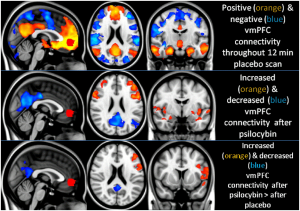
One way to go about investigating psychedelics is by making fMRI brain scans. These scans are made of healthy and depressed individuals before, during and after a psychedelic experience. This way, the brain can be observed for changes.
Through these scans, the team got insights into the inner workings of the brain during psychedelic trips, and how they correlate with described experiences of volunteers, like ego-death. This is a type of experience in which people who are under the influence of psychedelics describe a certain loss of self, and a deeper connection with the wider universe or nature.
Carhart’s studies have highlighted that the Default Brain Network may be connected with our sense of self – our ego – and that the lower activity of this network during a psychedelic session may be associated with the occurrence of ego-death.
ㅤ
Some of the brain scans from the research team at Imperial, from 2012.
ㅤ
12:40 — “We see quite reliably a relationship between the magnitude of the disintegration and the default brain network. [..] The greater the disintegration of the default mode network, the greater our volunteers’ ratings of ego-dissolution. ”
ㅤ
During the psychedelic experience induced with psilocybin, the parts of the brain associated with the Default Brain Network show a drastic reduction in activity, often creating the experience of ego-death. The compulsive activity of the Default Brain Network also has been associated with patients that scored higher in depression ratings.
Robin Carhart-Harris’s argument is that the Default Brain Network may be the source of what most adult people call the ‘ego’. This network is known as the Default Mode Network because, during our daily lives, this brain network becomes more active when we are idle.
The Default Mode is actually a really important part of our mental stability. This network is responsible for keeping our routines in check, making sure that our pending matters stay afloat, and that we’re not overlooking anything.
The mental activity generated by the Default Mode Network is usually stable and consistent day after day. This daily consistency in addition to the fact the DMN is the ‘standard’ mental voice, may contribute to the illusion that the Default Mode Network is the self.
ㅤ
12:58 — [The Default Brain Network is]: “Arguably the best candidate we have for the neural substrates of the self, or the ego, or our identity and personality.” – Robert Carhart-Harris
ㅤ
By analyzing the brains of participants who consumed psilocybin, Carhart’s team noticed that there was a process of renewal happening within the structure of the brain, almost like a general mind reset. This process of rebirth has been reported many times by psychedelic subjects.
ㅤ
17:50 — “We can think of the mind or the brain is reset in the same way that you can think of a computer is malfunctioning and throwing up an error message and you are wondering what you can do. And then you press the reset button and it comes back working nice and smooth as it should.”
ㅤ
In more recent years, Carhart-Harris has worked on building a more unified model of the workings of psychedelics in the brain. He founded the Psychedelic Research Group at Imperial College in London and focuses on the action of psychedelic drugs in the brain, and their clinical utility as aides to psychotherapy, with a particular focus on depression. He still studies the brain effects of LSD, psilocybin (magic mushrooms), and MDMA.
Robin Carhart-Harris will not be speaking at ICPR 2022, but his colleague and the new head of the Psychedelic Research Group at Imperial College will: David Nutt.
Notes about the author: Alexandre Perrella is a writer for Cabbanis!
Should psychedelic researchers administer psychedelics to themselves? This has been an ongoing debate since psychedelics have been around. Michiel van Elk is a Dutch researcher who studies psychedelic, religious, spiritual and mystical experiences and has received a prestigious NWO (government) grant to study the effects of psychedelics. In a series with Jasper Lucas he discusses hot topics around psychedelic research.
ㅤ
Michiel van Elk, a professor of cognitive psychology at the University of Leiden, used to be very anti-drugs after growing up in a conservative Christian community. A psychedelic experience later in life put him on a path towards psychedelic research.
Van Elk now runs the PRiSM lab, which studies psychedelic, religious, spiritual, and mystical experiences, and has received a prestigious NWO (government) grant to study the effects of psychedelics. His previous work includes themes like religion, spirituality and altered states of consciousness, employing neuroscientific as well as cognitive and social psychology research methods. He is the author of the book ‘A sober look at psychedelics’ – available in Dutch – and will also speak at ICPR 2022.
Jasper Lucas is a Master’s student in Clinical and Health Psychology at the University of Leiden. He aims to pursue a career at the intersection of clinical research and practice, with a special interest in psychedelic-assisted psychotherapy. Jasper and Michiel recently had a wide-ranging discussion about issues surrounding the psychedelic science field.
Van Elk, at a certain point, was planning to develop a protocol which included the self-administration of psilocybin to test the feasibility of the experimental design – but this did not come to pass. This is part one of their conversation – about the self-administration of psychedelics. A topic that was long considered taboo, but is now facing new scrutiny.
Jasper: First off, how did you get involved in researching psychedelics?
Michiel: I first came across psychedelics about five years ago during a sabbatical at Stanford University, where I met some highly motivated psychedelic researchers. Since then I’ve been involved in psychedelic research, initially focused on microdosing truffles. Right now I’m working on a bigger project on the influence of psilocybin on our brain, cognition, and perception, for which I was awarded a VIDI grant from the Dutch Association for Scientific Research (Stichting Nederlandse Wetenschappelijk Onderzoek Instituten, NWO).
Jasper: A VIDI is one of the top government grants you can get as a researcher. What are the aims of your VIDI project?
Michiel: There are three parts to this project. The first is replication, focusing on the Relaxed Belief under Psychedelics (REBUS) model – which has garnered much attention in recent years. There is some evidence in favor of it but there is a lot of discussion on how to specify the model, for example, which areas serve as lower and higher order areas and where exactly the predictions are implemented. Furthermore, there is the question of how exactly one should analyze fMRI data. Through open science practices like preregistration and many analysts’ approaches, we aim to see to what extent existing, general findings can be replicated.
The second part concerns placebo effects. One perspective is that the effects of psychedelics are at least partially mediated by placebo effects because people have expectations about these effects. Another is that psychedelics are essentially super placebos by making people more suggestible, thereby enhancing the placebo response.
Placebo research is an extensive, established field, which includes my own research with the God helmet. We aim to integrate this field of study with research into the psychedelic experience. How do expectations influence the psychedelic experience and how can psychedelics increase the placebo response?
The third part is assessing the commonalities between different ways of inducing altered states of consciousness, including sensory deprivation, meditation and VR. We aim to assess to what extent these altered states are comparable to one another.
Jasper: You have previously mentioned that, initially, you were thinking of beta-testing the protocol by going through the entire protocol yourself or by one of your PhD students, including the administration of psilocybin. You are no longer planning on doing so, but what type of insights would you have liked to gain from this self-administration, was it purely practical to assess feasibility or did you also expect some theoretical implications?
Michiel: It’s actually almost standard practice in experimental psychology and neuroscience to try out the experiment yourself first to see what the subjective experience is. You can really learn a lot from it. But, like you said, the most important reason to self-administer for this current protocol is to assess feasibility. Are the instructions clear? Is it realistic to ask people to focus on the tasks for that long? The second reason is that almost everyone involved in this research has experience with the natural versions of the substances we use, whereas we use the synthetic versions for the study. The question of whether the natural and synthetic versions are comparable is an open one. In addition, the context is different. How is it to have these experiences in a clinical setting like a hospital. How can we facilitate the experience by making this clinical context a bit more pleasant?
Jasper: That is actually very interesting to hear. I always thought that self-experimentation was historically emphasized specifically for research with psychedelics but it’s actually a broader norm that researchers test their protocols themselves first. When it comes to modern research involving psychedelics, this becomes complicated because of the stigma on psychedelic use generally and self-administration by researchers specifically, based on historical examples like Timothy Leary for example.
Michiel: Indeed. Certain effects are intuitively experienced like Stroop or Simon effects. These effects are so “right in your face” that you immediately understand what they are when performing the task. This facilitates an understanding of what cognitive conflict means. In certain fields, it is standard practice for researchers to use themselves as participants, for example in the field of visual processing where you need a large number of trials and highly trained participants that need to fixate on a specific point for two hours at a time. The average university student would not be able to do this. Of course this can only be done for very basic processes where understanding the aims of the study does not influence the results.
Jasper: Really interesting, I never knew.
Michiel: Yeah, it’s funny how this topic came up now. I had never thought of it as an argument in favor of self-administration before.
Jasper: Besides the informal stigma on self-administration, I assume there is some formal reason why the board of ethics would not authorize it. Did you try to get permission and fail and, if so, what was their reasoning?
Michiel: No, that’s a misunderstanding. We toyed with the idea for a bit while writing the protocol. But METC permission is already very difficult in and of itselft. We wanted to make it less complicated for ourselves. There’s also the question of the public perception of our research. I remember someone pointed out to me that it would be rather awkward if one of my PhD students and I were seen coming out of the experiment room smiling and giggling about the bizarre experience we just had, despite the best intentions on our part.
Jasper: Of course what Leary did was quite different. He took psychedelics with his students in an informal setting as a means of researching them. He didn’t do this to establish the feasibility of a protocol he was working on or anything. But the stigma that resulted from that period is still felt today.
Michiel: Yeah but of course there’s a broader question at play here. What is the role of self-administration by clinicians. I interviewed a psychiatrist for my book who said he doesn’t need to have tried all the medications he gives his patients himself first. Some psychiatrists disagree though, and argue that it is actually important to try certain medications such as SSRIs or Ritalin to get an understanding of their subjective effects. Still, I’m not sure whether I support self-administration of the sort that we were planning to do. You could probably gain similar insights by using a few experienced users, you don’t need the first-person experience for that. I personally find self-administration interesting mostly as a source of inspiration, which I see a lot in other psychedelic researchers who use it a lot in their personal life. It’s one thing to use it as a personal source of inspiration and quite another to do so to improve the research that you’re doing.
ㅤ
This is the first part of Jasper and Michiel’s conversation. The next part will be on the placebo effect. Follow OPEN on Instagram, LinkedIn, and Twitter – or subscribe to OPEN’s Newsletter – to stay up to date for its release.
Psychedelics appear to consistently produce long-lasting behavioural changes in the individuals who use them. Research focus has recently shifted to understand the accompanying changes in brain function and structure, which are hypothesised to occur through neuroplasticity. In this interview, Cato de Vos, MSc, explains what neuroplasticity is, how it can be measured in humans and animals, its importance in brain development, and the mechanisms by which psychedelic compounds and other practices can generate it.
Interviewee: Cato de Vos
ㅤ
Over the past couple of decades, accumulating evidence has shown that psychedelics consistently produce strong subjective effects, often leaving a perennial imprint on the individuals ingesting them.
The subjective effects of the acute psychedelic experience are remarkable in and of themselves. At higher doses, they may occasion mystical-type experiences, considered by the individuals who have them as some of the most meaningful experiences of their lives, on par with one’s wedding day or the birth of a child. Perhaps even more remarkable are the sustained effects of these experiences on positive changes in attitudes and behaviours, lasting up to 14 months following the experience in one study.
Other studies have found similar long-lasting effects of these acute psychedelic experiences on depressive symptoms in patients with treatment-resistant depression, on smoking cessation in nicotine-dependent individuals, and on alcohol consumption in alcohol-dependent individuals. In each case, the quality of the acute psychedelic experience predicted the long-term changes from 6 to 12 months later.
It is clear from the available scientific literature that psychedelics have an important therapeutic potential that needs to be investigated, and that therapeutic outcome may be determined by the subjective psychedelic effects. As a neuroscientist however, it is challenging to consider long-term behavioural changes without any accompanying structural or functional brain alterations. These findings pose the following question: do psychedelics affect brain structure and/or function in a way that can lead to long-term changes? And if so, by which processes?
Cato M. H. de Vos holds an MSc in neurobiology at the University of Amsterdam. She currently works as a research-assistant at the mental health organisation 1nP in the Netherlands where she assists Dr. Heval Özgen and Gerard van Kesteren (PhD cand.) in several clinical trials investigating the safety, feasibility, and efficacy of MDMA-assisted therapy. Soon, she will also start a part-time study in Psychology to become a therapist. In September 2021, she published a systematic review in Frontiers in Psychiatry, with Natasha L. Mason, PhD., and Professor Kim P. C. Kuypers, PhD., from Maastricht University.
The aim of the paper was to review the evidence pertaining to psychedelics’ ability to induce molecular and cellular adaptations related to neuroplasticity, and to see whether they paralleled clinical effects. In total, 16 preclinical and 4 clinical studies were reviewed, revealing that a single administration of a psychedelic produced rapid, multi-level changes in plasticity-related mechanisms, including changes in the expression of BDNF, a neurotrophin involved in the growth, maturation, and maintenance of neurons.
Q&A with Cato de Vos, MSc.
Question 1. What is neuroplasticity? What is its role in brain development?
Neuroplasticity is the brain’s ability to change throughout life. These changes may occur in cell structure, known as structural plasticity, or in the efficacy of synaptic transmission, known as functional plasticity. An example of structural plasticity is dendritogenesis, where dendrites – the receiving end of neurons – expand, and an example of functional plasticity is synaptogenesis, where new synapses – neuronal junctions – are formed, enabling better communication between neurons.
Structural and functional plasticity are interconnected processes at a molecular and subcellular level, which eventually give rise to changes at the behavioural level. These changes allow your brain to adapt and change, promoting the ability to learn new things, enhancing your existing cognitive capabilities, supporting recovery from strokes and traumatic brain injuries, strengthening brain areas where functionality has been lost or has declined, and boosting brain fitness. However, neuroplasticity is a double-edged sword. Changes in the structure and function of the brain can confer adaptive benefits but can also lead to maladaptive disadvantages. To illustrate, misdirected activation of neuroplasticity can cause forms of severe tinnitus (‘ringing in the ears’) and neuroplasticity in the brain’s reward system induced by repeated use of certain drugs, such as cocaine, leads to more compulsive drug use. So the risk / benefit ratio also depends on the area where neuroplasticity is occurring.
For a long time researchers believed that the brain stopped developing during adolescence, and that there was a fixed number of neurons in the adult brain that could not be replaced when the cells died. In the 1960s, neurobiologist Joseph Altman discovered the creation of new neurons in the brain. His discovery was largely ignored, until the rediscovery of adult neurogenesis by Elizabeth Gould in 1999. Ensuing research on neurogenesis has since shown that the brain can change throughout life. Specifically the hippocampus, that part of the brain involved in spatial memory, learning processes and even emotion, continues to form new neurons throughout life. Thus, neuroplasticity is the process by which the brain can modify, change and adapt structure and function in response to the environment.
Question 2. How can neuroplasticity be measured?
There are different ways to measure neuroplasticity in animals and in humans, but it really depends on the level you’re looking at. Neuroplasticity occurs at different levels in the brain (molecular and cellular), involves communication between different brain regions (structural and functional), and eventually affects behaviour, so it depends on the particular area that is being studied. When looking at the molecular level, for example, certain protein levels can be measured. If certain proteins are more expressed than others, then you can infer that they play a bigger role in the process, which can be an indication of neuroplasticity, although it’s a fairly indirect measure.
At a cellular level, a microscope can be used to examine dendrites. If you see that neurons have progressively more elaborate dendrites, that they look like a tree with more branches than before, then you can assume dendritogenesis is at work.
This type of examination can be performed in animals, but is not as easy in humans, whose brains are not as easily available for research. An alternative is measuring the levels of certain proteins – like BDNF – in the blood and other parts of the body. With humans, unlike with animals, biological and psychological parameters can be combined, which enables you to investigate the relation between biological and behavioural changes. That’s one of the things that is lacking in animal research: you can’t ask a mouse how it’s feeling.
Question 3. By which mechanisms do psychedelics induce neuroplasticity?
The changes in neuroplasticity induced by psychedelics are believed to result from the neurobiological pathways they activate. Classic psychedelics act on a serotonergic receptor called “2A” (5-HT2AR). When psychedelics activate this receptor, specific pathways – cascades of different proteins communicating and transferring a signal – are activated. These cascades, or pathways, are different to non-psychedelic-induced activations of the same receptor.
Following the activation of these cascades, two neurotransmitter systems are activated: the inhibitory serotonergic system, and the excitatory glutamatergic system. The activation of these systems leads to the release of both serotonin and glutamate and subsequently, brain-derived neurotrophic factor (BDNF), a direct indicator of neuroplasticity. Indeed, high levels of BDNF in the brain are associated with increased neuroplasticity. Psychedelics also influence neuroplasticity indirectly, by affecting the transcription of plasticity-related genes and proteins, which modulates the expression of other genes and proteins involved in neuroplasticity.
Not every study shows that psychedelic administration necessarily stimulates neuroplasticity. It’s therefore not possible to say that it always happens, but there are some good indications that it does. There is also a lot of uncertainty when it comes to the molecular mechanisms I mentioned because measuring molecular cascades is very challenging, so more research is needed to draw definite conclusions.
Question 4. Have the clinical findings in humans mirrored the preclinical findings in animals so far ?
It’s hard to compare the two. Since different techniques are used to investigate humans and animals, making any comparison is like comparing apples and oranges. They both have their pros and cons.
Clinical research can investigate both the biological and psychological parameters, which is good because you can then investigate correlations between the two. I believe the psychological state is important if you want to be able to observe improvements in the state of a patient, but it’s more difficult to measure direct biological parameters such as cerebrospinal fluid BDNF, like you can in animals. There are many translational issues, which is why we need to keep combining clinical and pre-clinical research, and be mindful of these limitations.
Question 5. Can neuroplasticity alone be therapeutic? What are your thoughts on psychedelic-inspired, neuroplasticity-inducing compounds like TBG, that lack the subjective effects of classic psychedelics?
Personally I am somewhat sceptical about not having the hallucinogenic effects in the context of therapy, but I think it really depends on the reason for psychedelic therapy, because there is a difference between using it for cluster headaches, or PTSD and depression. I believe you need to look at the origin and underlying layers or deep processes within yourself, within your system, that could cause these pathologies which are different in each of these cases. Cluster headaches might be solved with non-hallucinogenic neuroplasticity-inducing compounds, but for the psychiatric disorders – PTSD and depression for example – which are often accompanied by deep-rooted psychological issues, the hallucinogenic effects may be very important. In those cases the peak subjective experience might be necessary, as has already been shown in some studies: the stronger the psychedelic experience, the better the therapeutic outcome.
That said, I believe that everything is connected – mind and body – and we’re so conditioned to be in our heads and not be aware of what’s going on in our bodies. I feel that psychedelics can restore some of this connection, on a psychological level. Perhaps the hallucinogenic effects may also have a positive impact on cluster headaches. David Olson’s work with TGB is great in that he is making psychedelics accessible to a bigger audience. A lot of people are excluded from clinical trials because they have a history or family history of certain conditions, and they don’t have access to therapy at all, so this could be a very good thing.
Question 6. Any additional thoughts on neuroplasticity and psychedelics ?
Bear in mind that neuroplasticity can be stimulated by other means, such as taking good care of yourself, engaging in physical activity, meditation, eating healthy food and getting enough sleep. All these can be beneficial and contribute to positive treatment outcomes. We also want to be cautious here, because we don’t know when neuroplasticity stops being a good thing. I believe everything is about balance, so it is good to remain critical. As my colleague Erwin Krediet once said to me: “A plant doesn’t survive when you give it fertiliser every day, it’s too much.”