OPEN Foundation

Search
Close this search box.

Articles

Psychedelics: key to consciousness

Even if psychedelics have long been regarded as tools to explore or expand one’s consciousness, they have only been picked up by consciousness researchers rather recently. Experiments with LSD, Psilocybin or DMT are starting to offer helpful insights to scientists about the nature of consciousness, mind and brain. We asked Enzo Tagliazucchi to give us his perspective on how psychedelics can be used in consciousness research.
Enzo Tagliazucchi is a neuroscientist and a professor at the University of Buenos Aires. He will be speaking at ICPR2020 about the first electroencephalography (EEG) research project of DMT in naturalistic settings.
This is part two of a three-part interview series with Prof. Enzo Tagliazucchi
Part one: The Science and Folklore of DMT
Part two: Psychedelics: key to consciousness
Part three: DMT and near-death experiences
You came to psychedelics from consciousness research with the conviction that altered states can be used as helpful tools in the cognitive neuroscience of consciousness. What do you think psychedelics tell us about the relation between mind and brain?
Studying consciousness is difficult for many reasons, for example, how can you know that somebody is having a certain conscious experience?
Now, answering this question with human subjects is not as difficult as with animal models, because I can assume a lot of things about your behavior that I cannot assume in a monkey’s or a rat’s behavior. And this is because I am a human, like you are.
But the cognitive neuroscience of consciousness advances by doing experiments in which we have to assume that there is something like the “normal mind”, so that we can interpret the answers for participants and draw conclusions about their subjective experience. This is to say, we interpret the behavior of our research participants in experiments about consciousness by mentally putting ourselves in their shows and asking what our rational core would do in that circumstance. That is, we idealize our subjects as rational agents, adopting what Daniel Dennett calls the intentional stance.
Following this line of thought, cognitive neuroscience builds up a computational analysis of the mind in which you have to assume some standard functions like attention, language, memory, decision-making, etc. And it does a good job investigating standard human functioning, especially in situations where humans do not deviate from rational behavior.
However, if you go to Google Scholar and type “cognitive neuroscience of schizophrenia”, you are going to find very few papers on that topic, precisely because you can no longer adopt so easily the intentional stance towards these patients. It is as if they had a different kind of mind, and you just do not have a common ground anymore to apply the methodological perspective of classic cognitive neuroscience.
Here is where I think psychedelics enter. They can be useful to establish that common ground. Again, you won’t be able to do normal cognitive neuroscience experiments on somebody on a high psychedelic dose,  because whatever function you are trying to probe is not going to work the way you expect it to work. It is a bit like the case of schizophrenic patients and also that of animal models, in that we lack the proper perspective.
But the thing with psychedelics is that you can increase the dose very slowly. So you can start from a very low-level dose and then you can get a mind that is almost like yours, you can disarrange it a little bit. You have this parametric way of moving away from what is the “normal human mind”. You can see how these functions slowly become disarranged as you increase the dose, and I believe this is invaluable. Most neuroscientists haven’t yet realized this, but when they do there won’t be a coming back to the old ways of doing things.
I believe that researchers do not really realize this yet because they are really focused on studying the acute effects of psychedelics (I myself am, too), a state in which it will be very difficult to adapt the very successful program of cognitive neuroscience. But if you focus on microdosing and start climbing up from there, you could build a map of how the mind gets changed parametrically into something different. This is really the huge promise of psychedelics to understanding the healthy human mind.
Psychedelic users have been greatly influenced by Aldous Huxley’s ideas about consciousness. In the sixties, he popularized the theory of the brain as a “reducing valve” that could be opened by the use of psychedelics in order to let a greater degree of awareness or “Mind at large” enter individual consciousness. How would you assess this theory in the light of current neuroscientific knowledge?
There is something to what Huxley said. Something that psychedelics are showing us is that you cannot think of the brain as a machine that you can turn on and off. The brain is always undergoing some storm of electrical activity, a flurry of spontaneous activity. That never stops.
So if I put you in an fMRI machine and you close your eyes, I will still find strong brain activity signals within your visual cortex. Since there are a lot of things going on in the visual cortex even with your eyes closed, it seems that you should be seeing something but, as a matter of fact, you just don’t.
Why are you not conscious of this activity? What is stopping you from seeing all that spontaneous storm of activity in the brain?
A popular theory is that alpha rhythms have something to do with the inhibition of all that activity which is irrelevant to whatever task you are doing at the moment, which is very convenient. So if you ask a subject to perform certain activity you will find alpha rhythms increasing in the brain regions that are not relevant for the task at hand.
But then, one of the most robust signatures of the psychedelic state is that the alpha rhythm is blocked. Jack Cowan’s theory is that all the patterns and fractals you see under psychedelics are precisely what the spontaneous activity of your brain would look like if you could see it – which you can, under the right dose of a psychedelic compound. In fact, the visual cortex is organized following geometric patterns, so no wonder that you are seeing geometric patterns when this activity enters your stream of consciousness.
You could compare the brain with an artificial neural network. These days neural networks can do pretty sophisticated visual processing by representing images in successive layers of artificial neurons. The first thing they do is exactly the first thing the visual cortex does: extract geometric primitives, like all the edges and all the corners of the image. Starting from that, they begin to combine these primitives to build progressively more complex representations, until you get the complete image.
Visual percepts are sort of created in layers, as in artificial neural networks, but in your conscious experience you are never aware of the intermediate layers, you only get the end result. From an evolutionary perspective, you do not need the intermediate representations. They are just part of your internal computational machinery. What you really want to know is what the final object is like.
I think that when someone is under psychedelics, representations enter consciousness too early. You are getting the half-cooked images so to speak. And this is precisely because psychedelics tamper with the inhibition of spontaneous activity. Actually, this hypothesis could be tested using a method from computational cognitive neuroscience known as representation similarity analysis.
Whatever Huxley was thinking with his “reducing valve” wasn’t this, but still there is something that is stopping all this activity from entering consciousness, and whatever that is my conjecture is that psychedelics are good at removing that block.
Strangely enough, contemporary philosophers like Peter Sjöstedt or Thomas Metzinger find in the psychedelic experience arguments for theories as disparate as panpsychism (i.e. everything has mental properties) and eliminative materialism (i.e. consciousness is an illusion). You seem to see the potential of psychedelics for consciousness research from a rather materialist perspective. But why do you think that there is a push for rather the opposite panpsychist views among people interested in psychedelics and the study of consciousness?
Because of the mystical experience, I suppose. One of its major components is the unitive experience, the feeling of not having boundaries, of being part of everything. I think this experience can lead some people to believe in their consciousness as a whole united with everything.
I certainly don’t have anything against this perspective, understood as a philosophical argument. So panpsychism might be fun for philosophers to discuss, but is not very interesting for scientists because you can’t work on that hypothesis. I haven’t seen any serious proposal to apply the scientific method to the question of panpsychism, and I seriously doubt it can be done.
Anyways, scientists aren’t as detached from these philosophical issues as they wished they would be. Actually, they tend to be divided in their positions, even if they cannot state them clearly and explicitly. Some scientists will say that consciousness is only an informational processing procedure in the brain, that it doesn’t really have anything in terms of first person perspective and therefore, that all phenomenal properties are illusory. Philosophers like Keith Frankish or Dan Dennet argue that you cannot really have qualia, at least not qualia with the properties we usually assign to them.  This is the core of functionalism, the philosophical perspective that is informing research in cognitive neuroscience.
There is of course the other side of this debate, with people who argue that phenomenology or the first person perspective is the single most important thing that has to be explained about consciousness, and that it cannot be dismissed as illusory. You will find papers of very influential neuroscientists seriously taking their own introspection as grounds to formulate theories about consciousness. And then again, you will find others who only look at third-person data, and dismiss whatever their inner mental life is suggesting about the nature of consciousness.
As opposed to many psychedelic scientists who have extensive experience with these substances themselves, I am in the field of those who believe there is nothing except third person data to be explained. I suppose this position isn’t very common for someone with my research interests and with a long and rich history of personal experience with psychedelics. So what is going on?
I ended up thinking very often, how could one use psychedelics to actually discern a solution in this divide? How can you interpret the psychedelic state not as a panpsychist revelation, but as the way in which the illusion of your qualia starts to disarm, to finally realize that there is nothing at all to realize? For those claiming that qualia are illusory, like Dennett of Frankish, I tend to believe the burden is on them to unravel this illusion. I’d expect that most of them would consider psychedelics (and other altered states) as invaluable tools to achieve this purpose, but for some reason this isn’t a frequently adopted perspective. And I wonder why.
I often have talks with hardcore functionalists who defend that consciousness is just computation and, to my surprise, several of them are ready to claim that psychedelics will “fry your brain” (I got this from Daniel Dennett once, and he made his position public in a recent interview given to ALIUS). I guess there are very academic types who think: “there is my private life, and then there is my life as a scientist, and if I start messing around, mixing one with the other, then I am going to lose my objectivity”.
But I have had my fair share of experimentation and that never happened to me. I am even more convinced after taking psychedelics, that they are somehow disarming this sort of qualia illusion.
Perhaps altered states of consciousness are so interesting because they transform consciousness into something that is easier to dispel as an illusion. They are a tool to show to the brain that the brain itself is no more than a bunch of neurons connected together doing computations. That is my grand picture of how I see psychedelic fit into the scheme of consciousness research.

The Science and Folklore of DMT

Being one of the most powerful psychedelics we know, it is not strange that DMT has become the subject of numerous speculations over the years. Theories linking this molecule to the pineal gland, to dreams or near-death experiences have circulated persistently among users and researchers – yet the scientific evidence just doesn’t seem to be there. 

It has been established that DMT occurs in many organisms endogenously, like plants, animals and humans. Besides that, much has yet to become established science in the academic world. Is DMT synthesized in the pineal gland? If so, what is its function? Is it involved in generating dreams or normal consciousness? Is it behind so-called near-death experiences?

We approached researcher Enzo Tagliazucchi to help us bring some clarity and a scientific perspective to these questions. Tagliazucchi is a neuroscientist and professor at the University of Buenos Aires. He will be speaking about his research and the first Electroencephalography (EEG) study of DMT in naturalistic settings at ICPR 2020.

This is the first part of a three-part interview series with Prof. Enzo Tagliazucchi

OPEN Foundation: Twenty years ago, Rick Strassman popularized DMT as the “Spirit Molecule”. In his popular book, he made the claim that this psychedelic compound is endogenously synthesized in the human pineal gland. What led him to this hypothesis?

Enzo Tagliazucchi: It would not be strange if DMT would actually be synthesized in the pineal gland because melatonin, a molecule that is pretty similar in its structure compared to DMT, is released there. All the necessary enzymes in the corresponding metabolic pathway are present in the pineal gland. You have all these coincidences that seem to suggest that it is a natural process that is creating the molecule, and that this process can take place in the pineal gland.

Strassman was, in fact,  interested in melatonin research at first and then came across DMT. From there, he started to convince himself that it was synthesized in the pineal gland and started wondering about its function. People have been trying to find a role for DMT from the moment it became obvious that it is an endogenous molecule, for instance, some have the hypothesis that DMT is actually a neurotransmitter still without a known receptor (the sigma receptor was considered as a candidate for some time but eventually it was abandoned). Of course, whatever the function was, they conjectured, it had to be something related to the phenomenology of the psychedelic state.

In his investigations, Strassman came across these really strange experiences reported by his research participants, which he actually describes as a kind of shock for him. Confronted with this bizarre information, he hypothesized that DMT is present in the brain to signal certain important moments in life, and that these moments are experienced as strange DMT-like experiences, such as birth and death. This is why he coined the popular phrase “the spirit molecule” in reference to DMT.

Last year, a research team from the University of Michigan led by Jimo Borjigin reported concentrations of DMT in rats’ brains to be similar to that of other neurotransmitters like serotonin during induced experimental cardiac arrest. What are the implications of these findings and what do we know about the endogenous levels of DMT in the human brain?

Recently there was some controversy because of this paper, in which Strassman was actually co-author, showing in an animal model that you can find large amounts of DMT produced near the moment of death.

David Nichols tried to refute this hypothesis years ago arguing that even if DMT is actually synthesized in the pineal gland, you will never get sufficiently high concentrations of endogenous DMT to ever produce a psychedelic-like experience. That was the end for a while, and then came this article which Strassman and others took as evidence to support his theory.

David Nichols again published a rebuttal arguing that the finding of high amounts of DMT is not really conclusive because at that critical moment you get a massive release of several neurotransmitters. If you have twice the usual concentration of DMT, then you also have twice the usual concentration of serotonin. And since serotonin is competing with DMT and it has a higher affinity for all serotonin receptor sub-types, then why would you get an endogenous DMT trip considering these difficulties in binding to serotonin receptors?

I think if I had to bet money, I would say that there is DMT in the pineal gland. It is a very simple tryptamine and you have a lot of different possible pathways to get it. All the chemicals you need for the synthesis of DMT can be found in the pineal gland. I would even bet that when you have hypoxia or if there is a critical injury in the brain, there is a spike in DMT concentration. But at such a moment, you have spikes of several neurotransmitters. However, if somebody finds a high spike of DMT alone, that would be a remarkable finding.

I think that more research is needed because it is really strange that DMT is in the brain. People should keep doing this research and should keep asking: Why is DMT there? What does it do? What receptors does it bind to? What is its role? These questions are important, even if the findings so far have been, for the most part, negative.

We don’t really have any proof at all that Strassman’s theories are more than attractive hypotheses. Something valuable about Strassman’s work is that it made a lot of people think for the first time about the possibility of endogenously triggered altered states of consciousness. Unfortunately, I think there is yet nothing to the claim that DMT is behind these experiences.

It seems that Borjigin’s research has been welcomed by DMT enthusiasts who link this molecule to dreams and normal consciousness. If it is present in the human brain at significant levels, could DMT be considered a neurotransmitter playing a role in generating ordinary consciousness or in dreaming, as it has been claimed?

The challenge is to find DMT in a sufficiently high concentration to produce such effects. You would need around 25 mg of DMT being produced in a short period of time for something like that to happen in your consciousness and, apparently, there is no way that can happen. The endogenous concentrations are in the microgram range, below the active levels by orders of magnitude. The reason why it can’t happen is not only because researchers have not found such high levels, it is because essentially the metabolic pathways do not seem to be able to support that massive biosynthesis.

Similarly, it does not seem that DMT is produced with a sufficiently high concentration to be involved in dreaming, and so on. I do not think it is even needed to explain the phenomenology of dreaming. We understand more or less the neurochemistry of dreaming and serotonin, in fact, tends to be blocked during REM sleep. So the neurochemistry does not seem to suggest at all that 5-HT2A receptor activation by any molecule, let alone one in such small quantities, is responsible for dreaming. This does not preclude, of course, that the phenomenology of dreaming and psychedelic states are very similar. You might get to the same effect following different routes.

If it is in the concentrations it is suspected to be in, there is no way it can influence consciousness. That is the current state of knowledge.

See Enzo’s talk titled The neural and psychological correlates of inhaled N,N-dimethyltryptamine (DMT) in natural and ceremonial settings at ICPR2020.

How psychedelics can cause ‘the overview effect’

Neuroscientist Robin Carhart-Harris (PhD) studies the brain effects of LSD, psilocybin and MDMA. He is currently the head of the Centre for Psychedelic Research, at the Faculty of Medicine, Imperial College London. At ICPR 2016, he held a talk on the heels of his landmark imaging studies of brains on psychedelics. The findings of the team that Carhart-Harris is a part of were a sensation far beyond academics and psychonauts. Pictures of the studies went viral and were printed in newspapers around the world, reaching mainstream attention for psychedelic science.
In this short highlight from our previous convention, dr. Carhart-Harris speaks of treating depression with psychedelics. The findings from their study suggest that the higher the dose, the higher the chance of ego-dissolution, which correlated with lower depression symptoms.
In his talk, he compares the idea of ego-dissolution to the “overview” effect experienced by astronauts: “when you listen to astronauts talking about this experience they often say that they are left with a memory, they cannot forget that experience, that wonder, that awe that they experienced. I think in terms of the psychological mechanisms, this can explain what happens when the prison house of the ego dissolves away and then you have that broader sense of connectedness with other people and with the cosmos as a whole”.

Robin Carhart-Harris’ full talk from 2016 can be watched on the OPEN Foundation Youtube channel

What microdosing did for the perception of psychedelics

Over the past decade, the phenomenon of ‘microdosing’ has had outsized implications for the perception of psychedelics. Before this phenomenon, narratives around psychedelics always assumed a large dose and a full psychedelic experience. After the popularization of the concept of microdosing, the idea that psychedelics could be taken in small quantities -as a cognitive enhancer- became more prevalent and accepted. Ever since, they’ve been hailed as valuable tools for enhancing various aspects of cognition, creativity, emotion and neuroplasticity.
This article takes notes from Aleksi Hupli’s upcoming PhD dissertation in Sociology at the University of Tampere called: Smarter with Drugs. Cognitive enhancement drugs from users’ perspectives. In it, he partly explores why psychedelic microdosing should be included in the pharmacological neuroenhancement discussion and debate.
Albert Hofmann – the discoverer of the psychoactive properties of LSD – already mentioned in an interview with High Times in 1976 that “very small doses, perhaps 25 micrograms, could be useful as a euphoriant or antidepressant” (Horowitz 1976). The current renaissance of psychedelic microdosing research is usually accredited to Dr. James Fadiman, who dedicated a small chapter to describe experiences with “sub-perceptual doses” in The Psychedelic Explorer’s Guide, published in 2011. Prior to Fadiman, we have to go back to early research done in the 1950s and 60s – especially by the US military – on low doses of LSD. These studies were reviewed by another ICPR2020 speaker, Dr. Torsten Passie (MD) and partly republished in his book The Science of Microdosing Psychedelics (2019), arguably one of the most comprehensive publications on the issue of microdosing to date.
The “very small dose” of 25 micrograms mentioned by Hofmann is not technically considered a microdose or “sub-perceptual dose” as described by Fadiman (2011). As the “common” recreational dose of LSD ranges from 50 to 150 micrograms (Passie et al. 2008), and in contemporary clinical settings from 20 to 200 micrograms, it is still fairly unclear what a “microdose” really is compared to a very low dose or “minidose” (Kuypers et al. 2019; Passie 2019, p. 9-10). According to Fadiman, Hofmann called microdosing “an under-researched area” (Fadiman 2011, p. 211; see also Passie 2019, p. 23-25) and it did take over 45 years for the topic to be picked up by modern mainstream media and research.
Not accepted yet
Some psychedelic researchers remain sceptical about microdosing (e.g. Nichols, Roseman & Timmerman 2018, p. 83) while others acknowledge that “This role of psychedelics as cognitive enhancers is certainly an area in need of more research” (Sessa 2017, p. 276). It is important to note that ‘microdosing’ has several different meanings: for instance, in pharmacokinetic studies, microdosing is being used as a method in novel drug toxicology research. In addition, microdosing is also used as a novel technology in agriculture as a method of distributing plant nutrition (Passie 2019, p. 4).
Lack of research did not prevent a certain “media-hype” from developing, as there were plenty of media reports around the topic of microdosing. These reports described microdosing as a “Revolutionary Way of Using Psychedelics” (High Existence 2014) and, in a “brief history of microdosing” written by Vice in 2015, stated that “while the idea hasn’t yet catapulted itself into the mainstream, it’s getting there”. The following years indeed saw more mainstream media outlets writing about how LSD microdosing “became the hot new business trip” (Rolling Stone 2015) and “the new job enhancer” (Forbes 2015). Microdosing was affiliated with work productivity as a “new brain booster” (The Times 2017) especially in the technology hub Silicon Valley located in California (Wired 2016; Huffington Post 2017; also Mishra 2018; Hupli 2019). These media reports usually included mainly positive reports from people practicing or experimenting with psychedelic microdosing despite that for a long time there was indeed a lack of published research available, as still remains the case.
The definition on Microdosing
In their comprehensive overview of the current literature Kim Kuypers and colleagues, many of whom are presenting at ICPR2020, state: “the term ‘microdosing’ appears to consist of three components: 1) The use of a low dose below the perceptual threshold that does not impair ‘normal’ functioning of an individual. 2) A procedure that includes multiple dosing sessions. 3) The intention to improve well-being and enhance cognitive and/or emotional processes” (Kuypers et al. 2019). Thus, firstly, the dose should be low enough so it does not at least impair “normal” functioning, and in the publication the authors offer a table which includes varying doses (Microdose, Very low Dose, Low dose, Medium dose, High dose) of varying psychedelic compounds (psilocin, LSD, DMT and Ibogaine) that have been studied both in preclinical and clinical research. The authors write that “These doses are approximate values” which were presented as “Per kilogram dose values” which had been “converted to values for a 70-kg person” (Kuypers et al. 2019, p. 3), thus their applicability to ‘real-life settings’ requires careful consideration.
The second component of microdosing according to Kuypers et al., included a procedure with multiple dosing sessions for which there is no unified protocol. This multiple dosing of psychedelic compounds, which is something that usually does not take place with higher doses, is one of the issues that has raised concerns of potential cardiovascular risks associated with nearly daily activation of serotonin receptors with potent partial serotonergic agonists like LSD and psilocin (Kuypers et al. 2019;  Nichols, Roseman & Timmerman 2018, p. 83; Passie 2019). Kuypers et al. (2019, p. 8) conclude that “the possible effects and implications of microdosing remain largely unknown.” While online forums have a vast database of reported effects, from Youtube (Hupli et al. 2019a) to Reddit (Lea, Amada & Jungaberle 2019), according to Kuypers et al. (2019) “the true amount of active substance in these is unknown”. From a research and public health perspective this is, of course, problematic to say the least.
The third component of microdosing described by Kuypers et al., “having an intention to improve well-being and enhance cognitive and/or emotional processes”, is indeed something that users often seem to have when they practice psychedelic microdosing (e.g. Lea et al. 2020; Fadiman & Korb 2019; Hutten et al. 2019; Polito & Stevenson 2019). However, “while in these anecdotal reports the user deliberately ingests a substance for a reason, expecting positive effects, it is difficult to distinguish between expectation ‘placebo’ effects and the effect of a microdose.” (Kuypers et al. 2019, p. 8). From user’ perspectives, however, there is ‘an effect’, whether due to pharmacology or the excitement of doing some thing, even something illegal, but at least something that might improve one’s life-situation which is more than understandable.
Thus, this trend begs for more research on the topic to distinguish “the actual from the imaginary effects of microdosing” (Passie 2019, p. 46), not only for therapy but also for pharmacological neuroenhancement. According to a recent review of psychedelic microdosing, focusing specifically on its potential as a cognitive enhancer, Rifkin, Maraver and Colzato (2020, p. 9, italics added) “conclude that microdosing psychedelics is a promising means for enhancing various aspects of cognition, creativity, and emotion recognition, and that they may be valuable tools to augment cognitive flexibility and neuroplasticity.” However, they also acknowledge that “These findings imply that psychedelics should not be treated as a uniform class of drugs, particularly with respect to microdosing. Various psychedelics, with their distinct receptor affinities, will almost certainly prove to be better for cognitive enhancement in small doses than others.”
Although some users experience also unwanted effects, psychedelic microdosing is more often claimed to bring relief for such conditions such as depression and ADHD (Fadiman & Korb 2019; Lea et al. 2020), which were already mentioned by Albert Hofmann for what ‘very small doses of LSD’ could be useful for, decades ago. The vast list of effects psychedelic microdosing is claimed to produce, now confirmed by an increasing amount of user and preclinical studies (Polito & Stevenson 2019; Hutten et al. 2019; Rifkin, Maraver & Colzato 2020) with some clinical ones completed (Yanakieva et al. 2019; Ramaekers et al. 2020) and others underway (MindMed Press Release 2020; see also Hupli et al 2019a; Wired 2019) require further attention in this field (Hupli 2019).
Fadiman together with Sophia Korb will present some unexpected results from their crowd-sourced research at ICPR2020.
Written by Aleksi Hupli as part of his upcoming PhD Dissertation in Sociology at the University of Tampere titled Smarter with Drugs. Cognitive enhancement drugs from users’ perspectives.
References:
Fadiman, J. (2011). The psychedelic explorer´s guide. Safe, therapeutic and sacred journeys. Park Street Press
Fadiman, J. & S. Korb (2019). Might Microdosing Psychedelics Be Safe and Beneficial? An Initial Exploration. Journal of Psychoactive Drugs, 51(2), 118-122.
Horowitz, M. (1976). Interview with Albert Hofmann. Available at: https://hightimes.com/culture/albert-hofmann-lsd-interview/
Hupli A., M. Berning, A. Zhuparris & J. Fadiman (2019a). Descriptive assemblage of psychedelic microdosing: netnographic study of Youtube™ videos and on-going research projects. Performance Enhancement & Health, 6,( 3–4), 129-138.
Hupli, A. (2019). ECR Spotlight: Psychedelic Microdosing – From Silicon Valley Hype towards Placebo-Controlled Science. In HED Matters, Vol 2, Issue 2. Available at: https://humanenhancementdrugs.com/wp-content/uploads/HED-Matters-Issue-3.pdf
Hutten, N., Mason, N., Dolder, P. & K. Kuypers (2019). Motives and Side-Effects of Microdosing With Psychedelics Among Users. International Journal of Neuropsychopharmacology, 22(7), 426–434.
Kuypers, K., Ng, L., Erritzoe, D., Knudsen, G.M., Nichols, C.D., Nichols, D.E., Pani, L. Soula, A. & D. Nutt (2019). Microdosing psychedelics: More questions than answers? An overview and suggestions for future research, Journal of Psychopharmacology, 33(9), 1039-1057.
Lea, T., Amada N. & H. Jungaberle (2020). Psychedelic Microdosing: A Subreddit Analysis. Journal of Psychoactive Drugs, 52, 101 – 112.
Lea, T., Amada, N., Jungaberle, H., Schecke, H., Scherbaum, N. & M. Klein M (2020). Perceived outcomes of psychedelic microdosing as self-managed therapies for mental and substance use disorders. Psychopharmacology, 237,1521 -1532.
Mishra, S. (2018). Microdosing at Work: Reworking Bodies and Chemicals. Essay part of an online supplement to the Openings collection on “Chemo-Ethnography” edited by Nicholas Shapiro and Eben Kirksey in the November 2017 issue of Cultural Anthropology. Available at: https://culanth.org/fieldsights/1307-microdosing-at-work-reworking-bodies-and-chemicals
Nichols, D., Roseman, L. & C. Timmermann (2018). Psychedelics: from pharmacology to phenomenology. An interview with David Nichols. ALIUS Bulletin, 2, 75-85.
Passie, T., Halpern, J.H., Stichtenoth, D.O., Emrich, H.M. & A. Hintzen (2008). The pharmacology of lysergic acid diethylamide: A review. CNS Neuroscience & Therapeutics, 14, 295–314.
Passie, T. (2019). The Science of Microdosing Psychedelics. Psychedelic Press.
Polito, V. & R.J. Stevenson (2019). A systematic study of microdosing psychedelics. PLoS ONE, 14(2): e0211023
Ramaekers JG, Hutten N, Mason NL, et al. A low dose of lysergic acid diethylamide decreases pain perception in healthy volunteers. Journal of Psychopharmacology. August 2020. doi:10.1177/0269881120940937
Rifkin, B. D., Maraver, M. J. & L. S. Colzato (2020). Microdosing psychedelics as cognitive and emotional enhancers. Psychology of Consciousness: Theory, Research, and Practice. Advance online publication. https://doi.org/10.1037/cns0000213
Sessa, B. (2017). Psychedelic renaissance. Reassessing the role of psychedelic drugs in 21st century psychiatry and society. 2nd edition. Muswell Hill Press.
Yanakieva, S., Polychroni, N., Family, N., Williams L.T.J., Luke D.P. & D.B. Terhune (2018). The effects of microdose LSD on time perception: a randomised, double-blind, placebo-controlled trial. Psychopharmacology,  236(4), 1159-1170.

Matthew Jonhson: psychedelics are brain plasticity-inducing

MatthewJohnson
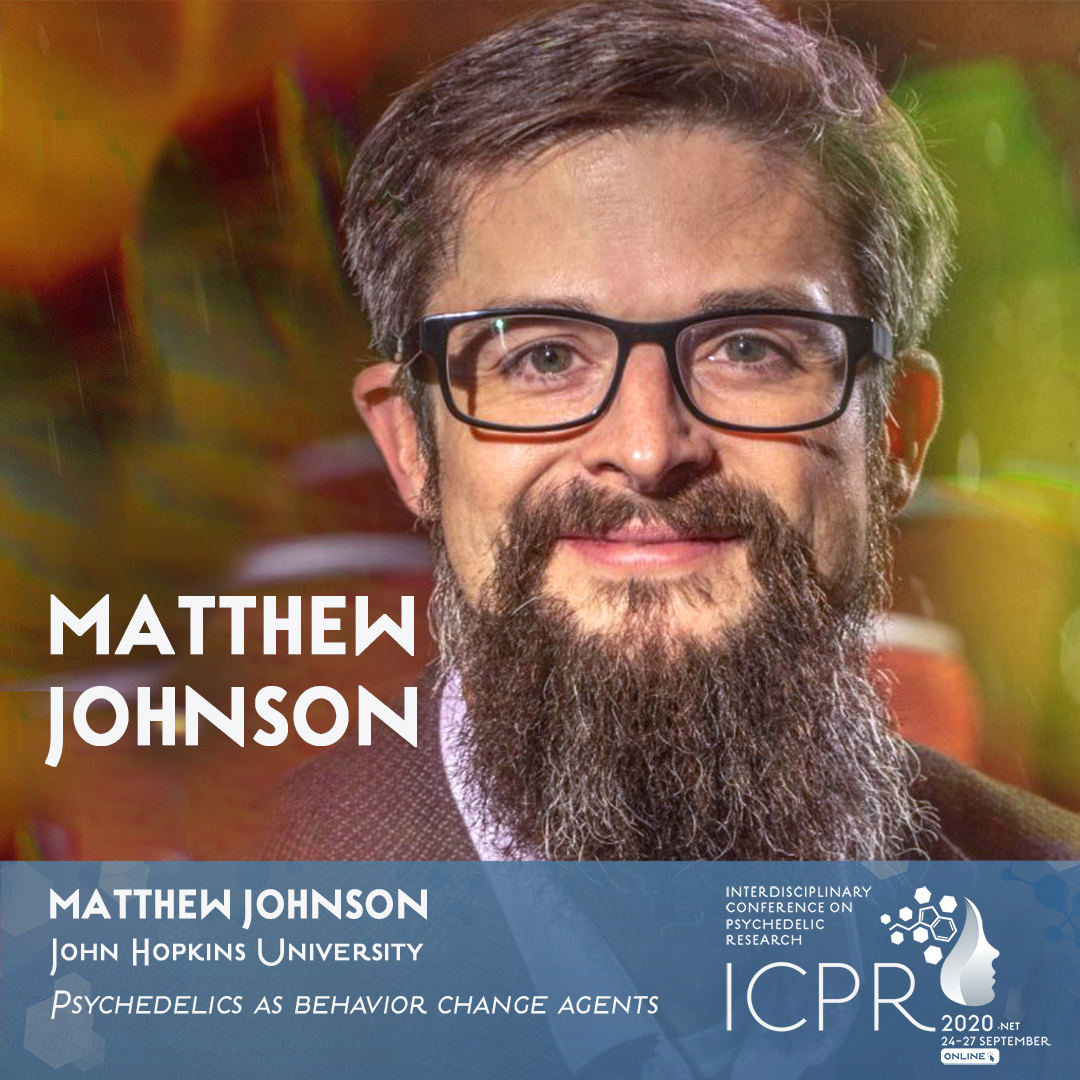
Matthew Johnson is associate director of the Center for Psychedelic and Consciousness Research at Johns Hopkins University – a center created last year. Johnson is one of the world’s leading researchers in psychedelic science. The Open Foundation asked him to reflect on some hot topics in psychedelic science today – like the mystical experience, business players entering psychedelic research and new avenues of clinical research.
In September of 2019, Johns Hopkins launched its Center for Psychedelic and Consciousness Research. Just a few months earlier, Imperial College in London had started its own Centre for Psychedelic Research. The creation of the Hopkins center seemed like a ‘response’, in a way. Is there some rivalry we need to know about?
The seeds were being sown long before we were aware of the Imperial center, so I wouldn’t say so. There’s far more room for synergy and collaboration than for rivalry in this field. Of course, you always like to be the first to publish a paper on a given subject, that’s just human. But in the big picture, it’s really great that there are two large, very credible centers in the world, and the hope is that it’s going to keep growing. There’s even a third center in South Carolina now, with Michael Mithoefer and others.
What’s the added value of dedicated centers for psychedelic research?
The center is a term used in academics to mean a certain level of funding that allows for an increased concentration and focus on a research area. Functionally, the important thing is that it’s dramatically increasing the throughput of our work on psychedelics.
Your group at Hopkins seems to place a good deal of emphasis on the mystical experience and considers it the mechanism of action for therapeutic outcomes of psychedelic therapy, whereas Imperial focuses more on imagery and neuroscience. Where does this focus on the mystical experience come from?
I think there’s a focus on the biology and the neuroscience at both sites. I’m conducting a study with 80 people on smoking cessation where subjects are undergoing fMRI with a variety of tasks before and after the experience. Fred Barrett in our group is a neuroscientist, and he’s conducting a number of studies right now. In terms of the psychology, the Imperial group has used more of a Freudian model and we have focused more on the mystical experience, but I think empirically we’re likely talking about the same thing. The term ‘ego loss’ has a high correlation to the mystical experience of unity. The focus on mystical experience dates back to William James, and I see it as continuing a thread of interest in this kind of experience that human beings, around the world and throughout time, have consistently reported. It seems that psychedelics prompt those types of experiences, so that interest is far larger than the therapeutic use of psychedelics, which in itself is very important. It taps into the idea that these can be tools for understanding the biology and the very nature of these extraordinary human experiences, and their ability – however occasioned – to prompt behavior change.
The Hopkins Center is set to research interesting new indications: anorexia, distress associated with Alzheimer’s, and aftercare for Lyme disease.
We have started the first two. We’re actively recruiting for the anorexia treatment study, and we’ve actually run participants through that study, but not enough to discern any results yet. We’re also actively recruiting for the mood within Alzheimer’s disease study. We have the funding for the other study, on post-treatment Lyme disease syndrome, as it’s come to be known, and we’re preparing the regulation to be able to conduct it. We should be starting it within a few months.
What exactly is the aim regarding Alzheimer’s?
The primary aim is clearly the mood of patients, through the lens of cancer research, where the focus is not on treating the disease, but the psychological suffering that so often comes with it, and the existential distress that is also there with dementia. But we’re also going to look at the cognitive outcomes, because there are some interesting animal studies that suggest that there are potential positive cognitive effects of these compounds. Also because having a profound psychological reorientation, where you have reductions in depression, might in itself lead to improved cognition and slow the disease process. We’re not holding our breath that we’ll see something there, but it’s worth a look.
Both the center in Baltimore and the one in London are funded by private donors: do you understand the concerns of people who are wary of the increasing interference of big business with psychedelic research?
There are many opinions out there, so I’m not sure what the concerns exactly are. The Center is funded through a non-profit model and it’s 100 % philanthropy, so I think it’s unrelated to any concerns about business involvement in this area.
Well, people like Tim Ferriss raise some questions. He’s an investor, and investors are known to seek some kind of return on their investments. Some people are quite suspicious of that.
At the surface level I can understand the concerns, if people don’t know the details. From knowing the details, I can say that if his goal was to have a financial return on investment, he’s done a very poor job at setting things up. However, he’s been very clear that the goal was to leverage the growth of an area and the advancement of science.
Humans are interested in leaving a legacy, and being known for having had an impact, so that may be relevant to anybody who makes an investment in an area with a hope for its growth. I think he wants to see this area take off, and a lot of people look to him as someone who sees what’s coming in the future. I also think this has already been an advantage in terms of people paying attention to this area.
Are you concerned that, once legal, psychedelic therapy might turn into big business? The business press is already touting psychedelic therapy as the next big cash cow.
If we’re on to something – and I think we are – then this will happen. There are niches to fill. So the real questions become: What are the actions of any particular entity? Are they operating ethically or unethically? The commercialization of psychedelics raises concerns about the potential for bad actors, but there can be bad actors in pure non-profit and in pure academia. The potential on the monetary side is obviously increased once you introduce a business model. So I think there’s a rationale for increased concern about bad actors. But the fact that business is jumping into this is not a bad thing in itself. It’s a 100 % expected outcome, and overall it’s a good thing. We just have to keep our eyes on the way people are operating.
The title of your ICPR talk will be: “Psychedelics as behavior change agents.” What can we expect?
I want this to be a big-picture presentation that draws from multiple lines of evidence. Not about the treatment of this or that disorder, or this or that effect, but really drawing across all that. The overall point is that psychedelics can occasion behavior change. They seem to be powerful ways to induce mental and behavioral plasticity. We have a whole lot more to figure out on the biology of that and how to most properly leverage psychedelics towards those aims. There’s also a lot to figure out about so-called ‘integration’, but it’s probably that people are left in a state of increased neuroplasticity, which can depend on many mechanisms. So I’d like to present the basic argument that, in the broadest sense, these are plasticity-inducing agents.

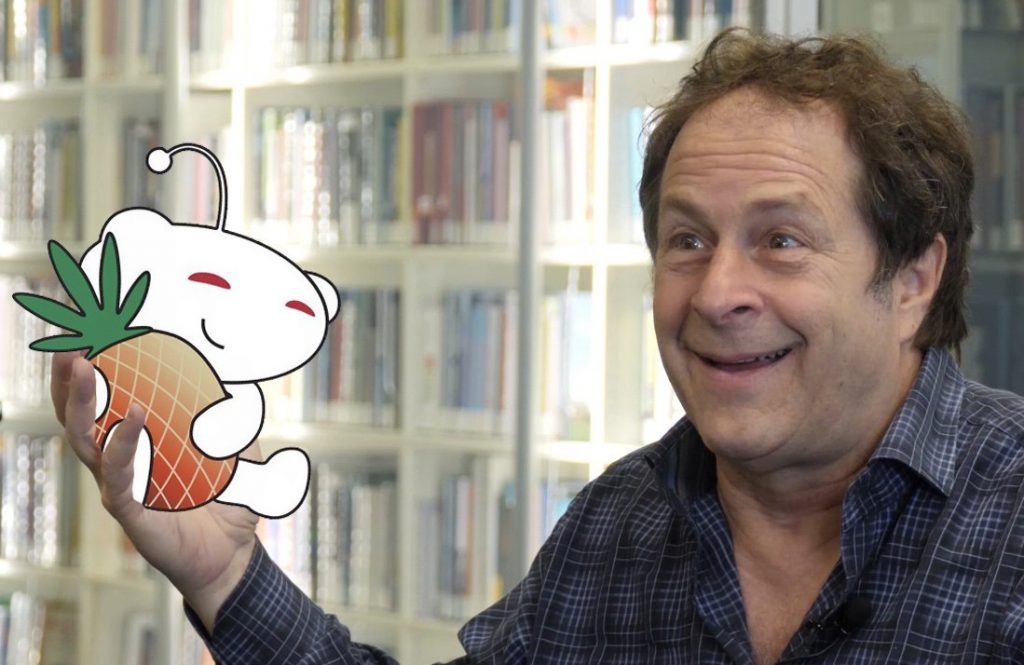
Anonymous donation on Reddit ‘changed everything’ for MDMA research

When MAPS founder Rick Doblin was in Amsterdam for our event on MDMA research, he sat down with journalist Thijs Roes for a wide-ranging conversation. One of the topics they touched upon, was how recent MAPS funding had gotten off the ground.

In 2017, MAPS was a much smaller organisation. With no help from any government and no large funds available to them, MAPS had to get by on relatively small donations. Until an anonymous Reddit user called Pine suddenly announced that he had millions of dollars available to support causes that would otherwise be overlooked. She (or he) had bought bitcoins for an incredibly low price, and had had an epiphany while on Ketamine-therapy: the best way to live life was to help other people, and give as much the newly gained wealth away.

“MDMA-assisted psychotherapy will be a gift to the world from the psychedelic and cryptocurrency communities,” Rick Doblin wrote earlier. And in the interview he says the grant “changed everything for us”. Pine ended up giving $5 million dollars to make MDMA-assisted therapy a reality. MAPS is now in phase 3 studies to get MDMA approved and legal for clinical therapy.

Rick Doblin will be speaking at icpr-conference.com – the leading scientific psychedelic conference of Europe, held from September 22 until 24.

Ido Hartogsohn on the influence of society on the psychedelic experience

collective set and setting
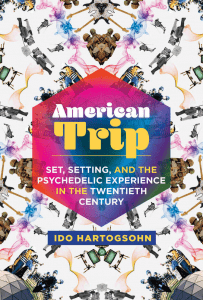
Ido Hartogsohn is one of the first and few researchers to focus on psychedelic research from a social technological perspective. The assistant professor from the Science, Technology and Society program at Bar Ilan University in Israel has just published a new book called American Trip, in which he explores how the social conditions of the 1960s shaped the American psychedelic experience itself. 
In his recently published book he inquires how the LSD experience was shaped by the social conditions and predominant values of the fifties and sixties, portraying LSD as a “psychopharmacological chameleon” dependent on culture. With this move, he expands the traditional meaning of set & setting in psychedelic therapy to include the broader contexts in which these substances are used. He calls this the “collective set and setting”: the broader cultural and social contexts in which these substances are used. 
His work brings a sociological perspective that invites us to rethink psychedelic drugs beyond their mere pharmacological properties.
How do your views challenge conventional understandings of drug effects in pharmacology?
One of the defining ideas of pharmacology is an often implicit notion which scholar Richard DeGrandpre termed pharmacologicalism: the assumption that a drug is exclusively defined by its inherent pharmacological qualities – that it has one type of discrete effect independent of any variables.
The closer we look at the effects of drugs, the more we see that they do not work like that at all. The effects of drugs, not just psychedelics, can change radically depending on the social and physical environment.
Think of the example of US soldiers returning from Vietnam in the 1970s. The American army tried numerous plots to help these soldiers kick their heroin habit while they were in Vietnam, but all of these ultimately failed. Then, as the soldiers returned home, suddenly 90% of them were able to kick the habit spontaneously, without going through any kind of treatment.
Once the setting changed we could see that – even in the case of the supposedly most rigid, inflexible and essentially physical drugs, effects were highly dependent on the set and setting of use.
This is something that pharmacological discourse has been reluctant to acknowledge over the years. It makes sense because once you acknowledge that, it complicates drug trials and discussions around drugs. It forces us to think about not only the very chemical product that we give to patients but how we give it to them and the whole clinical environment. It also forces us to forsake these very naive ideas of drugs as magic bullets that have one specific effect and one specific and highly discrete application.
The cultural malleability of psychedelic experiences has great implications for drug policy. How do you think that prohibitionism and anti-drug propaganda could have infiltrated the very experiences of psychedelic users?
There is this classic study by the sociologist Richard Bunce about the dramatic increase of bad trips at the end of the 1960s as authorities were pushing different scare theories such as the idea that LSD creates chromosome damage or that it will “fry your brain”. All of that stuff was completely debunked later on but once you have these ideas percolating inside the culture, they can easily penetrate people’s experiences. Given this type of ‘collective set and setting’, levels of paranoia shot up among users. Experiences that could be interpreted as quite benign and pleasant turned in a way that is very scary.
This kind of effect is something anthropological literature was predicting already a decade earlier. In the late 1950s, anthropologist Anthony Wallace argued that psychedelic users in the West were more liable to have negative experiences than those that had them in traditional or indigenous societies. Societies, like in the West, that conceive of hallucinations as something that is inherently dangerous and meaningless increase the chance for harmful experiences.
I believe that there have been so many psychedelic trips gone awry as a result of prohibition; so much mental energy that has been squandered; so many positive experiences of users over the years that took a bad turn when they for example encountered police during a trip or were somehow perturbed by the ideology, propaganda and policy of the war on drugs.
So, if we are to take a harm reduction approach to drug use, what can we do to improve the collective set & setting of psychedelic use today and in the future?
One of the most beautiful things that is happening today in the so-called “psychedelic renaissance” is this burgeoning culture of set and setting: the growing awareness of the importance of preparation, intention, and integration – of knowing your substance, your set and your setting.
Psychedelic users today are much more “psychedelically literate” than the ones in the 1960s, and that’s a result of a very rich culture of discourse and practice informed by the idea of set and setting. So we now have safezone organizations which provide for example psychedelic first aid or peer support in festivals like Burning Man or Boom; we have online trip-sitting services run by volunteers; books and websites guiding about the principles of safe and transformative psychedelic voyaging, and there are more and more studies that aim to study how set and setting work.
These are all very hopeful signs that the appreciation of the importance of set and setting is more and more widely recognized in the field of psychedelics, for the broader community as well as for the clinical community.
Governments that want to approach this subject from a progressive perspective need to realize that outmoded, ideologically rigid approaches to drug use fail their citizenry and ultimately the entire society. Governments are betraying their role when they prosecute users. What they should be doing is helping the general public get the know-how, the information and the resources that could help minimize harmful experiences and maximize the potential for safe, positive and meaningful experiences.
You argue that the placebo effect can be understood as a form of meaning response, in which clinical improvement follows from the mere manipulation of meaningful cues in the therapeutic process. Accordingly, the meaning-enhancing properties of psychedelics turn them into some kind of “super-placebo”. What would be the consequences of this reconceptualization for current clinical trials with psychedelics and their placebo-control methodologies?
Over the years the pharmaceutical industry has been invested in the attempt to minimize or eliminate placebo effects. If you are selling a drug like they are, you probably want to give a decisive answer about its effects. But once [the placebo-effect] enters the picture, it appears much more uncertain what the drug actually accomplishes by itself.
After clinical trials, we see that the efficacy of that same drug diminishes from year to year of use in the market, or from culture to culture, because of the changes in the placebo response and in the meaning attributed to the drug. We can therefore see that drug effects are much more fluid than we are led to believe.
Medical anthropologist Daniel Moerman draws our attention to the fact that placebo response can more intelligibly be conceived as just meaning response. When you bring this insight into contact with the field of psychedelics something quite interesting emerges, because one of the main effects of psychedelics is to enhance the perception of meaning.
This then raises the possibility that psychedelics may enhance the placebo response by enhancing our perception of meaning. This potential of psychedelics to enhance placebo really holds a valuable alternative to the classic pharmacological model and an opportunity to think about how meaning intervenes in therapeutic processes.
I don’t think that we are about to see the end of the blind trials paradigm anytime soon. But rather than looking for an objective response to a drug and leaving it at that, we would achieve better results if we focused our energy at examining the nexus between drug, set and setting, to optimize the overall therapeutic process in a way that transcends commonplace flat and impoverished conceptions of the drug responses.
You have approached psychedelics from a science and technology studies (STS) perspective. What has that taught you?
When you look at LSD and psychedelics in general, you have a technology whose effects are highly malleable. Depending on the set and setting, a hallucinogenic agent like LSD can be a psychotomimetic (psychosis mimicking) and it can be therapeutic. It can be anxiety-inducing and it can be mentally soothing.
The effects of LSD are so radically transformed in relation with user’s mindsets and settings that you could argue that LSD, as a technological artifact, is recreated every time it is used. This recognition leads to the concept of psychedelics as a technology that is culturally and socially constructed in a radical way.
One of the main takeaways that I am trying to convey in my book is the idea of a “psychedelic technology”. Going back to the very meaning of the word psychedelic as “mind-manifesting”, the category of “psychedelic technology” would then refer to technology that is shaped in accordance with the mind-set and the environment (hence the idea of an ecodelic) of the user. This is an interesting way to think about technology that is a radical extension of the social constructivist way to think about technologies in the field of STS.
My perspective on psychedelics later shifted to the STS idea of co-production, the question of how the effects of LSD and other psychedelics are shaped and formed by social values, norms and conditions, and how LSD and other psychedelics simultaneously bring about changes in social and cultural movements creating a kind of positive feedback loop, an idea that I explore in my book.
What will be the major takeaways that potential attendees of ICPR might expect from your talk or about your book?
One of the main things my book tries to do is to really expand our understanding of set and setting in order to transcend that more narrowly defined, individualized concept of set and setting. I think the book makes clear that no factor in the individual, specific or concrete set and setting of a psychedelic experience is independent of the larger social and cultural picture, and so I try to answer the question how our collective historical and social forces worked to shape the psychedelic experience in the West since the 1960s and to this day.
Ido Hartogsohn talk at ICPR 2020 will explore the relationship between set and setting, meaning-enhancement and placebo as a central axis on which the psychedelic experience can be interpreted and understood.

Janis Phelps on training the first psychedelic therapists

Professor Janis Phelps PhD

Janis Phelps is the founder and director of the CIIS Center for Psychedelic Therapies and Research, which conducts the first academically accredited, professional certificate training programme for psychedelic-assisted therapy and research. 
At ICPR 2020, Dr. Phelps will address her experience in setting up a licensed training program for people working in research and therapy with psychedelics. 

You founded the first licensed training program for psychedelic therapists. How did this come about ?
The genesis of this program came about in 2014 at a Heffter Research Institute board meeting, where one of the trustees of our college heard the dire need for psychedelic therapists to be trained.
Our university has been training about 250 therapists a year in 6 different programmes for over 30 years. Stan Grof, Ralph Metzner and other psychedelic researchers have been teaching at CIIS for decades. CIIS trustees gave us seed money for a 3-year grant. I was the founder and creator of the programme, and the opportunities for this were very rich.
We wanted to bring in indigenous ways of knowing as well as the approach typically used in the research protocols for both psilocybin and MDMA.
What are the challenges you faced in this process ?
Well, we were creating something in a vacuum. There were no guidelines yet for how to do this, because no-one had done it before. For a year, I consulted with researchers, underground and above-ground therapists, and in related areas such as hospice care centres and emergency rooms, on how to work with people in altered states.
To devise the programme, we drew from anthropology, clinical and transpersonal psychology, psychoanalysis and ceremonial uses. The challenge was to try to integrate all these in the best possible way.
However, we chose to emphasise the research approach for now, because of the need for therapists to be in FDA-approved clinics. This is a compromise we made, but the upside is that now our graduates get hired by these research entities and they’re opening clinics that will be ready to use MDMA and psilocybin in the next couple of years.
Things seem to be progressing quite fast these days. Are you sometimes concerned they may be going too fast?
I’m concerned about the decriminalisation movements in the US. They’re going quicker than I’m comfortable with. The general public is not sufficiently aware of the hazards and the benefits of the use of plant medicines. Even physicians and nurses don’t know enough, and neither do school teachers.
So we’re working on scaling up our programme to include the general public and give them information online for free: interactions with medications, incompatibilities with certain psychological difficulties, how parents can talk to their kids about psychedelics, etc. I’m concerned there might be another backlash like we had in the sixties if these medicines are not used responsibly.
My other concern is that we’re training only 75 people a year, about 300 so far. MAPS has only trained about 250. We need thousands of therapists trained. I’m concerned that when the medicines get rescheduled, there won’t be enough therapists, with resulting insufficient access to the medicines for patients. So we’re looking to scale it up and develop affiliations with other universities.
What have you taken away from this whole adventure so far?
I’ve been delighted to witness the integrity of the therapists and medical doctors wanting to come into this space. They want to see healing happen, they’re concerned about what’s happening on the planet in terms of politics, genocides and global warming.
They know that psychedelics are not the only way for people to heal, of course, but the kind of therapy we can do is augmented tremendously by the use of plant medicines. I see them changing psychiatry and psychology for nothing but the good.
On average, the professionals who apply for the programme have 15 years of licensed practice, so they’re quite experienced in their work. Some were retired medical doctors who reactivated their license in order to do this work. I also witnessed our students building community with each other, creating associations, building salons, and it’s very exciting to see this flourish across the United States, into Canada, South America and the EU. I realised once again how desperate people are for community. And finally, it’s been wonderful to meet the new generation, I’m very happy to pass the hat to younger people.
Dr. Phelps’ talk at ICPR 2020 will be titled: “Training future psychedelic therapists

The biggest challenges for psychedelic science today

Over the last decade, psychedelics have made a comeback in the world of research and academia. As they enter into a new phase of clinical trials, they bear the promise of improving people’s well-being by reducing their depression and anxiety, helping them overcome addiction, or even helping them cope with death and bereavement. This has caused a wave of new publicity, acceptance, and enthusiasm around psychedelic science.
Given that this area of research has been taboo for many decades, there is reason to be optimistic. There is an amount of new data coming in from numerous new clinical trials across various patient groups. As we anticipate the results of these investigations, it is equally important to remain critical, however, in order to ensure that this newly found enthusiasm does not reinstate the myth of the magic bullet that will ultimately cure all our mental ailments.
As research is being conducted in ever more places, some key challenges for the field are also becoming apparent. This piece wants to address those scientific issues as psychedelic science moves forward.
Science in Crisis
The scientific study of psychedelics is not immune from broader crises that are currently ongoing in the scientific realm, like the replication crisis, the lack of Open Science practices and the increasingly privatized funding of research.
The replication crisis comes from research that has shown that many results across different scientific studies cannot be reproduced. This has sometimes led to questionable research practices, such as modifying the results, fabricating data, or selective reporting of false positive findings, by individual actors. Prior hypotheses most often do not yield positive results, and researchers are often faced with unexpected findings.
Publishing these chance findings becomes problematic if the researchers do not clearly demarcate them as such, and conceal the failure of the initial hypothesis and post-hoc explanation of their findings. According to a meta-analysis conducted by Daniela Fanelli (2009), up to 72% of all scientists admit to witnessing questionable research practices concerning the behavior of their colleagues. Misconduct was reported most frequently in the areas of medical and pharmacological research, hence the area of psychedelic research is likely to be implicated. This is something to be acutely aware of.
Positivity bias
Many researchers in the field are understandably psychedelic enthusiasts. This bears a significant risk of selective reporting and motivated reasoning. The promise of psychedelics shown in clinical trials has already led to a nearly one-sided emphasis on the positive effects in the scientific literature, while ignoring the potentially adverse consequences such as mystic ego inflation, neuroticism, or the potential to induce false memories.
Combined with the earlier mentioned broader current problems in science, these over-positive tendencies are incentivized on a community-wide level due to a strong bias towards publishing positive findings, while the negative results are left unpublished in a file drawer.
This problem may be especially pertinent given the relatively high costs and investments involved in conducting psychedelic research, thereby creating a strong incentive for publishing positive results. And what may further limit the researcher’s degree of freedom, is that most studies on psychedelics are sponsored by private foundations with a vested interest.

Open Science practices
Many of these issues can be addressed by adhering to the guidelines of the Open Science Framework. This includes the preregistration of all hypotheses, the study design, data collection methods, and analysis pipelines to increase transparency throughout every step of the scientific process.
Many journals even offer the opportunity of depositing a research question and study design with a registration service or journal before conducting a scientific investigation. Future studies in the domain of psychedelic research would do well by making use of these practices in order to increase the credibility of their findings, and devote extra energy towards replicating some of the existing results via independent research groups.
Placebo-problem
The altered states resulting from psychedelics differ so profoundly from other substances, that there is an ongoing search for a good placebo. In a study of mystical experiences, methylphenidate hydrochloride (Ritalin) was used as a placebo (Griffiths, Richards, Mccann, & Jesse, 2006), in studies of psilocybin to treat anxiety in advanced stage cancer patients, niacin (vitamin B3, which produces flushing) was used as a placebo. And in a study of ayahuasca as treatment for depression researchers used zinc sulfate as a placebo, which may induce nausea and vomiting, playing into one of the commonly expected side effects of the hallucinogenic brew. (de Fontes, 2017).
Even within the classical pharmacological research framework for antidepressants, participants could often guess their test condition – which is known as ‘breaking blind’. This boosts the risk of reporting positively on their perceived mental state due to social desirability.
Psychedelic research is particularly prone to these dangers given the profound changes of subjective experiences, which cannot be easily mimicked with active placebos. This inherent risk will always beg the critical question if the subjective effects of psychedelics are determined by social desirability, prior expectations, or suggestibility of the participants.
Current research has partially addressed the placebo-problem by using different dose ranges. For instance, a microdose, minidose, and full-dose within the same cohort. However, the contrasting method of cognitive science and neuroimaging techniques itself, may be a source of ambiguity when interpreting modern day findings.
Comparing Altered States
On a fundamental level there is still a critical gap between an empiric understanding around altered states of consciousness, their underlying mechanisms and their application within clinical practice. We don’t know yet how the effects of psychedelics compare to other methods that have been used to induce altered states of consciousness, such as meditation, sensory deprivation, or breathing exercises. And we’re not good at measuring them.
The renowned theory of decreased Default Mode Network connectivity in response to psychedelics, may also have been driven by the effects of the placebo condition. Extreme boredom and mind wandering are associated with heightened activity of the Default Mode Network, which may create an exaggerated impression that psychedelics decrease the activity whereas in fact the placebo condition is increasing it.
Only relying on these types of contrasts may create a one-sided impression that Default Mode Network activity and ego-dissolution are primary mechanisms of action in psychedelics, while disregarding subjective accounts of indigenous ayahuasca practices wherein the ego remains intact.
Future research should address these nuances and develop more elaborate or diverse blinding methods, while an even more effective line of research could focus on comparing psychedelics to altered states across the full diversity of conscious experience.
This way, researchers may draw more elaborate conclusions by comparing the commonalities and differences between the neurophenomenology of different induction methods.
Systematic Bias
Like any other field, psychedelic research is not exempt from systematic biases that stem from cultural or socioeconomic differences amongst their respective participants. In the field of psychology, this problem is also known as the W.E.I.R.D bias: the majority of all participants are recruited from Western, Educated, Industrialized, Rich, and Democratic societies.
Given that tribal cultures compared to people from WEIRD populations exhibit significant differences in the most paradigmatic examples of psychology (such as the Müller-Lyer illusion), the subjective experience of psychedelics may be equally contingent on cultural differences.
In the area of clinical research, it is likewise important to represent a diverse sample of society that includes members of marginalized cultures or economic status, or risk inheriting biases that are systemic to society.
And while the contextual effects of set and setting are widely acknowledged within the psychedelic research community, future studies should aim to validate their underlying mechanisms in a cross-cultural manner.
The way forward
Much of the research on psychedelics has focused on extreme cases to make psychedelics more politically acceptable for research, like getting psilocybin approved for a study of terminally ill patients, and treating patients who are suffering from treatment-resistant depression. This has created large-scale clinical samples of patients where the etiology of their mental disorders is not represented in a fine-grained manner.
While it is important to test the efficacy of psychedelics on a large scale, it is equally important to maintain a fine-grained perspective as we investigate these substances in a stratified manner. These incremental advancements may require patience and a healthy dose of criticism.
In the long run, it may not only advance the research of psychedelics but elevate the quality of research beyond the caveats and systematic biases of their scientific domain.

Do psychedelics make you more creative?


Creativity and psychedelics have been closely allied ever since recorded history began. We can find ancient mushroom art that was likely inspired by the psychedelic experience, and in more recent history, we have reports of inspiration from psychedelics abound from the Beatles to Steve Jobs to microdosing tech enthusiasts. 
James Fadiman (one of the speakers at ICPR) studied creativity with engineers and architects in the 1960s. Although the studies [1] weren’t up to today’s standards of double-blind, placebo-controlled, they did provide a first hint of what was to come.
The participants noted that they found solutions to problems they had been working on for months. In the studies they were given a moderately high dose of LSD or mescaline (100ug and 200mg respectively). Their inhibitions were reduced, ideation flowed more easily, and they could see the problem from different perspectives.
“Looking at the same problem with (psychedelic) materials, I was able to consider it in a much more basic way, because I could form and keep in mind a much broader picture.” – study participant
Creativity itself is a tricky concept to define and measure. It can be defined as the ability to produce original and unusual ideas, or to make something new or imaginative. You can see creativity as a process that happens by combining information in new ways. This process is most commonly divided into two parts: divergent (generating ideas) and convergent (evaluating ideas) creativity.
Ben Sessa asked in 2008 if it was time to revisit psychedelics and creativity [2], as the creative process and the psychedelic experience shared many characteristics. But that since the 1960s, not many studies had looked into psychedelics and creativity.

Findings

Since 2008 there have been many studies on both the perceived effects (at macro- and microdoses) of psychedelics on creativity. A preliminary conclusion could be that psychedelics help with divergent creativity during the psychedelic experience, and possibly with convergent creativity during the integration afterward. A small selection of them found the following:
During a psychedelic experience with Ayahuasca, divergent creativity was slightly enhanced on one measure [3]. Participants in the study were more creative in identifying novel connections between pictures (PCT test).  Measuring one [4] and two [5] days after a psychedelic retreat with respectively a macrodose of psilocybin and ayahuasca, divergent creativity was also found to be enhanced.
In the study of the psilocybin retreat [4] however, the convergent creativity was impaired during the psychedelic experience. In the test they were worse at identifying a set connection between pictures. But convergent creativity was higher when they measured it seven days later. So although this measure of creativity was worse during a macrodose, it seemed to have improved a week later.
At the microdosing level, many people report being more creative. A survey study that included a test of creativity, on which Rotem Petranker worked, confirmed this [6]. The study found a weak correlation (r = 0.15) between microdosing and creativity.
How psychedelics lead to creativity is still being studied and Ido Hartogsohn points towards the meaning-enhancing properties of them as a possible mechanism [7]. If you’re not as critical of yourself, he states, then you might have more divergent ideas which can then be valuable after evaluation (convergent).
“By magnifying the perceived significance of creative challenges and insights, psychedelics provide users with the impetus to pursue new, less obvious lines of ideation that they might otherwise have ignored; and with enhanced motivation to explore new creative directions to their fullest ramifications.” (p. 129)

Chemistry 

How this happens at the level of brain chemistry is currently being investigated by researchers like Leor Roseman. One study [8] he worked on showed more general coherence and lower frontoparietal network activity whilst on a macrodose of psilocybin.


The coming decades will shed more light on what aspects of creativity psychedelics can influence. Retreats that work together with researchers, like the one Daan Keiman runs, may help provide insights.
The speakers above are among the 60+ speakers at the Interdisciplinary Conference on Psychedelics Research – taking place from the 24th to the 27th of September. Here, top researchers will showcase the latest multi-disciplinary insights from psychedelic science. More information at icpr2020.net.
 
[1] Harman, W. W., McKim, R. H., Mogar, R. E., Fadiman, J., & Stolaroff, M. J. (1966). Psychedelic agents in creative problem-solving: A pilot study. Psychological reports, 19(1), 211-227.
[2] Sessa, B. (2008). Is it time to revisit the role of psychedelic drugs in enhancing human creativity?. Journal of Psychopharmacology, 22(8), 821-827.
[3] Kuypers, K. P. C., Riba, J., De La Fuente Revenga, M., Barker, S., Theunissen, E. L., & Ramaekers, J. G. (2016). Ayahuasca enhances creative divergent thinking while decreasing conventional convergent thinking. Psychopharmacology, 233(18), 3395-3403.
[4] Mason, N. L., Mischler, E., Uthaug, M. V., & Kuypers, K. P. (2019). Sub-acute effects of psilocybin on empathy, creative thinking, and subjective well-being. Journal of psychoactive drugs, 51(2), 123-134.
[5] Frecska, E., Móré, C. E., Vargha, A., & Luna, L. E. (2012). Enhancement of creative expression and entoptic phenomena as after-effects of repeated ayahuasca ceremonies. Journal of psychoactive drugs, 44(3), 191-199.
[6] Anderson, T., Petranker, R., Rosenbaum, D., Weissman, C. R., Dinh-Williams, L. A., Hui, K., Hapke, E., Farb, N. A. (2019). Microdosing psychedelics: personality, mental health, and creativity differences in microdosers. Psychopharmacology, 236(2), 731-740.
[7] Hartogsohn, I. (2018). The meaning-enhancing properties of psychedelics and their mediator role in psychedelic therapy, spirituality, and creativity. Frontiers in neuroscience, 12, 129.
[8] Girn, M., Mills, C., Roseman, L., Carhart-Harris, R. L., & Christoff, K. (2020). Updating the dynamic framework of thought: Creativity and psychedelics. NeuroImage, 116726.