
OPEN Foundation

Search
Close this search box.

Personal development

Methoxetamine (MXE) – A Phenomenological Study of Experiences Induced by a “Legal High” from the Internet

Abstract

Methoxetamine (MXE), a ketamine analogue, is one of the new “legal highs” sold on the Internet. The aim of this qualitative study was to provide an initial understanding of what characterizes the experiences induced by MXE. Anonymously written reports (33 persons) on the effects of MXE were collected from public Internet forums and analyzed using the Empirical Phenomenological Psychological Method. The analysis generated 10 themes: (1) preparation, motivation and anticipation; (2) initial effects; (3) malfunction of cognitive processes stabilizing normal state; (4) inner personal processes and learning; (5) emotional processes; (6) altered sensory perception; (7) dissolution and transition; (8) spiritual and transcendental experiences; (9) effects and processes after the experience; (10) re-dosing and addiction.

MXE induced a heavily altered state of consciousness. The effects were similar to those induced by classic hallucinogens (such as LSD, psilocybin) and the dissociative ketamine. MXE seemed to have quite a high abuse potential. Beside the positive effects described, negative effects like fear and anxiety were also reported. Acceptance was considered the best coping strategy. Dissolution of identity and body often culminated in spiritual and transcendental experiences. More research is needed on safety issues, how to minimize harm, and the motivation for using legal highs.

Kjellgren, A., & Jonsson, K. (2013). Methoxetamine (MXE)–a phenomenological study of experiences induced by a “legal high” from the Internet. Journal of psychoactive drugs, 45(3), 276-286. http://dx.doi.org/10.1080/02791072.2013.803647
Link to full text

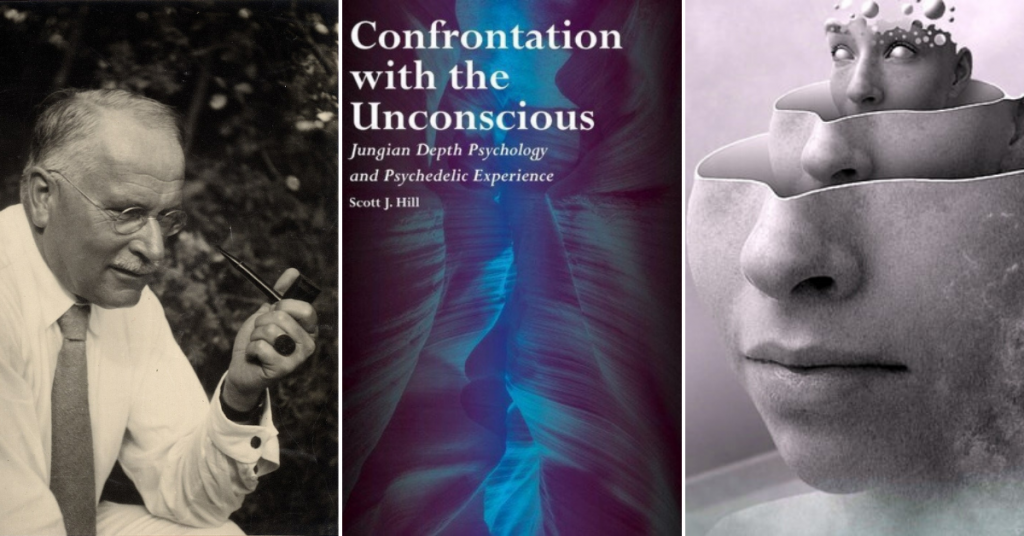
Confrontation with the Unconscious: Jungian Depth Psychology and Psychedelic Experience

Carl Gustav Jung pioneered the transformative potential of the deep unconscious. Psychedelic substances provide direct and powerful access to this inner world. How, then, might Jungian psychology help us to better understand the nature of psychedelic experiences? And how might psychedelics assist the movement toward psychological transformation described by Jung?

Jungian depth psychology and psychedelic psychotherapy are both concerned with coming to terms with unconscious drives, complexes, and symbolic images. Unaware of significant evidence for the safe clinical use of psychedelic drugs, Jung himself remained wary of psychedelics and staunchly opposed their therapeutic use. His bias has prevented Jungians from objectively considering the benefits as well as the risks of using psychedelics for psychological healing and growth.

Confrontation with the Unconscious intertwines psychedelic research, personal accounts of psychedelic experiences, and C. G. Jung’s work on trauma, the shadow, psychosis, and psychospiritual transformation — including Jung’s own “confrontation with the unconscious” — to show the relevance of Jung’s penetrating insights to the work of Stanislav Grof, Ann Shulgin, Ronald Sandison, Margot Cutner, among other psychedelic and transpersonal researchers, and to demonstrate the great value of Jung’s penetrating insights for understanding difficult psychedelic experiences and promoting safe and effective psychedelic exploration and psychotherapy.

Scott J. Hill, Ph. D., lives in Sweden, where he conducts scholarly research on the intersection between psychedelic studies and Jungian psychology. He holds degrees in psychology from the University of Minnesota and in philosophy and religion from the California Institute of Integral Studies.

Confrontation with the Unconscious: Jungian Depth Psychology and Psychedelic Experience, door Scott J. Hill, Muswell Hill Press, 252 pagina’s.

Koop dit boek via bookdepository.com en steun daarmee Stichting OPEN.

The Phenomenology and Potential Religious Import of States of Consciousness Facilitated by Psilocybin

Abstract

Accompanying the resumption of human research with the entheogen (psychedelic drug), psilocybin, the range of states of consciousness reported during its action, including both nonmystical and mystical forms of experience, is surveyed and defined. The science and art of facilitating mystical experiences is discussed on the basis of research experience. The potential religious import of these states of consciousness is noted in terms of recognizing the reality of the spiritual, in better understanding the biochemistry of revelation, and in exploring the potentially positive contributions that mystical consciousness may effect in psychological treatment.

Richards, W. A. (2008). The Phenomenology and Potential Religious Import of States of Consciousness Facilitated by Psilocybin. Archive for the Psychology of Religion, 30, 189-199. http://dx.doi.org/10.1163/157361208X317196
Link to full text

Ayahuasca and Spiritual Crisis: Liminality as Space for Personal Growth

Abstract

There is an increased controversy surrounding Westerners’ use of ayahuasca. One issue of importance is psychological resiliency of users and lack of screening by ayahuasca tourism groups in the Amazon. Given the powerful effects of ayahuasca coupled with lack of cultural support, Western users are at increased risk for psychological distress. Many Westerners who experience psychological distress following ayahuasca ceremonies report concurrently profound spiritual experiences. Because of this, it may be helpful to consider these episodes “spiritual emergencies,” or crises resulting from intense and transformative spiritual experiences. Although the author warns readers to avoid romantic comparisons of Western ayahuasca users to shamans, ethnographic data on indigenous shamanic initiates along with theory on liminality may be of some use to understand difficult experiences that accompany ayahuasca use. Given that psychotherapy is culturally sanctioned, therapists trained in treating spiritual crises can help Western ayahuasca users make meaning of their distress. Three case studies are offered as examples of individuals working through various sorts of crises following ayahuasca ceremonies.

Lewis, S. E. (2008). Ayahuasca and spiritual crisis: Liminality as Space for Personal Growth. Anthropology of Consciousness, 19(2), 109-133. https://dx.doi.org/10.1111/j.1556-3537.2008.00006.x
Link to full text

Evidence of health and safety in American members of a religion who use a hallucinogenic sacrament

Summary

Background: Ayahuasca is a South American hallucinogenic tea used as a sacrament by the Santo Daime Church, other religions, and traditional peoples. A recent U.S. Supreme Court decision indicates religious ayahuasca use is protected, but little is known about health consequences for Americans.

Material/Methods: 32 (out of 40) American members of one branch of the Santo Daime Church were interviewed providing demographic information, physical exam, drug use timeline, a variety of psychological measures, and data about childhood conduct disorder. Subjects were asked about extent of Church participation, what is liked least and most about ayahuasca, and what health benefi ts or harms they attribute to ayahuasca.

Results: Members usually attend services weekly (lifetime 269±314.7 ceremonies; range 20–1300). Physical exam and test scores revealed healthy subjects. Members claimed psychological and physical benefits from ayahuasca. 19 subjects met lifetime criteria for a psychiatric disorder, with 6 in partial remission, 13 in full remission, and 8 reporting induction of remission through Church participation. 24 subjects had drug or alcohol abuse or dependence histories with 22 in full remission, and all 5 with prior alcohol dependence describing Church participation as the turning point in their recovery.

Conclusions: Conclusions should not be extrapolated to hallucinogen abusers of the general public. For those who have religious need for ingesting ayahuasca, from a psychiatric and medical perspective, these pilot results substantiate some claims of benefi t, especially if subjects interviewed fully refl ect general membership. Further research is warranted with blinded raters, matched comparison groups, and other measures to overcome present study limitations.

Halpern, J. H., Sherwood, A. R., Passie, T., Blackwell, K. C., & Ruttenber, A. J. (2008). Evidence of health and safety in American members of a religion who use a hallucinogenic sacrament. Medical Science Monitor, 14(8), SR15-SR22. PMID: 18668010

Link to full text

Mystical-type experiences occasioned by psilocybin mediate the attribution of personal meaning and spiritual significance 14 months later

Abstract

Psilocybin has been used for centuries for religious purposes; however, little is known scientifically about its long-term effects. We previously reported the effects of a double-blind study evaluating the psychological effects of a high psilocybin dose. This report presents the 14-month follow-up and examines the relationship of the follow-up results to data obtained at screening and on drug session days. Participants were 36 hallucinogen-naïve adults reporting regular participation in religious/spiritual activities. Oral psilocybin (30 mg/70 kg) was administered on one of two or three sessions, with methylphenidate (40 mg/70 kg) administered on the other session(s). During sessions, volunteers were encouraged to close their eyes and direct their attention inward. At the 14-month follow-up, 58% and 67%, respectively, of volunteers rated the psilocybin-occasioned experience as being among the five most personally meaningful and among the five most spiritually significant experiences of their lives; 64% indicated that the experience increased well-being or life satisfaction; 58% met criteria for having had a ‘complete’ mystical experience. Correlation and regression analyses indicated a central role ofthe mystical experience assessed on the session day in the high ratings of personal meaning and spiritual significance at follow-up. Of the measures of personality, affect, quality of life and spirituality assessed across the study, only a scale measuring mystical experience showed a difference from screening. When administered under supportive conditions, psilocybin occasioned experiences similar to spontaneously occurring mystical experiences that, at 14-month follow-up, were considered by volunteers to be among the most personally meaningful and spiritually significant of their lives.

Griffiths, R. R., Richards, W. A., Johnson, M. W., McCann U. D., & Jesse, R. (2008). Mystical-type experiences occasioned by psilocybin mediate the attribution of personal meaning and spiritual significance 14 months later. Journal of Psychopharmacology, 22(6), 621-632.22: 621-632; http://dx.doi.org/10.1177/0269881108094300
Link to full text

Psilocybin can occasion mystical-type experiences having substantial and sustained personal meaning and spiritual significance

Abstract

Rationale: Although psilocybin has been used for centuries for religious purposes, little is known scientifically about its acute and persisting effects.

Objectives: This double-blind study evaluated the acute and longer-term psychological effects of a high dose of psilocybin relative to a comparison compound administered under comfortable, supportive conditions.

Materials and methods: The participants were hallucinogennaïve adults reporting regular participation in religious orspiritual activities. Two or three sessions were conducted at 2-month intervals. Thirty volunteers received orally administered psilocybin (30 mg/70 kg) and methylphenidate hydrochloride (40 mg/70 kg) in counterbalanced order. To obscure the study design, six additional volunteers received methylphenidate in the first two sessions and unblinded psilocybin in a third session. The 8-h sessions were conducted individually. Volunteers were encouraged to close their eyes and direct their attention inward. Study monitors rated volunteers’ behavior during sessions. Volunteers completed questionnaires assessing drug effects and mystical experience immediately after and 2 months after sessions. Community observers rated changes in the volunteer’s attitudes and behavior.

Results: Psilocybin produced a range of acute perceptual changes, subjective experiences, and labile moods including anxiety. Psilocybin also increased measures of mystical experience. At 2 months, the volunteers rated the psilocybin experience as having substantial personal meaning and spiritual significance and attributed to the experience sustained positive changes in attitudes and behavior consistent with changes rated by community observers.

Conclusions: When administered under supportive conditions, psilocybin occasioned experiences similar to spontaneously occurring mystical experiences. The ability to occasion such experiences prospectively will allow rigorous scientific investigations of their causes and consequences.

Griffiths, R. R., Richards, W. A., & McCann, U. (2006). Psilocybin can occasion mystical-type experiences having substantial and sustained personal meaning and spiritual significance. Psychopharmacology, 187(3), 268–283. http://dx.doi.org/10.1007/s00213-006-0457-5
Link to full text

The subjective experience of time during lysergic acid diethylamide (LSD-25) intoxication

Abstract

A brief review of the literature in relation to time disorder and LSD-25 is given. Twenty nine patients were studied as regards their time experiences under LSD-25. Eight patients reported an altered time experience following the initial administration of the drug. Twelve patients who had not developed a time disturbance in their initial administration, received LSD-25 a second time at increased dosage, 5 of these patients then experienced a time disturbance.

There was a tendency for time disorder to be associated with visual perceptual changes and for it to occur in the non-schizophrenics. Time disorder was considered to be a non-specific response. Recent views on the nature and genesis of time disorders are discussed.

Kenna, J. C., & Sedman, G. (1964). The subjective experience of time during lysergic acid diethylamide (LSD-25) intoxication. Psychopharmacologia5(4), 280-288., 10.1007/BF02341260
Link to full text